


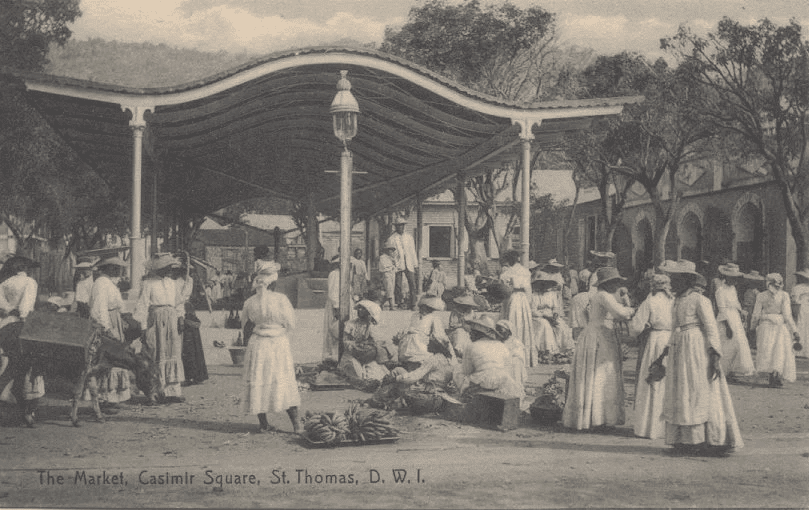
As a youngster, I loved traveling on the North Side roads of St. Thomas and smelling the thyme, parsley, celery, sweet marjoram, and other seasonal crops the French farmers grew. I remember visiting the farmer’s market in downtown Charlotte Amalie, or what is known culturally as “Round the Field” where you will see French and other farmers selling their produce and fish. Don’t talk about the North Side’s lovely mangoes, hanging down on the trees like Christmas lights! Oh my God! Just thinking about the French farmers brought back memories of my childhood.

Then, we have Frenchtown where the fishermen would pull up their boats on the shore and sell fresh fish. In those days, St. Thomas was so different culturally, where one would help others in need, strangers, or just by being a kind person to others. The French people play such a major role in our history and culture of these islands. I went to school with many French natives of St. Thomas. Such names were Berry, Greaux, and LaPlace.
In this second and final series on the French history of St. Thomas, I will briefly talk about Carenage, where most of the French dialect was spoken historically, according to Dr. Arnold R. Highfield, who was a professor of linguistics and Social Sciences at the University of the Virgin Islands. Also, briefly, I will talk on the economy, education, religion, culture, music, dancing, courtship practices, and folklore of French descendants on St. Thomas. According to Highfield’s survey research in the late 1970s, the Carenageois, who lived in Frenchtown, were mainly “Caucasian apparent of French extraction.”
Other French said they are of Norman descent. When I was growing up on St. Thomas, the local Black population refered to our French citizens as “Frenchies,” “Frenchmen,” or “Chachas.” However, “Chachas” could be an offensive term to some French people, depending on the circumstances. How the term “Chachas” came about is uncertain. According to Highfield’s research findings, “Informants replied that it derives from the practice of Carenage fishermen who walked through the streets of town selling their catch and calling out the names of specific fish as they went along.”

I found this saying “Chachas” very interesting. On St. Croix, culturally speaking for donkey years, Crucian fishermen would blow their conch shells with a different sound indicating what type of fish they had to sell when they came to shore. If it was a yellow tail fish, the conch shell would have a particular sound for that species of fish. Although we are one Virgin Islands, we have some differences in the practice of our unique culture of the Caribbean region. On St. Thomas, “Chachas” was applied to a small fish caught by the French fishermen in the Carenage community in Frenchtown. As time went on, the term “Chachas” came to be applied to all Carenageois on St. Thomas.
Culturally speaking, the French in Carenage society in Frenchtown were a nuclear family. The men and women knew their roles, where men were the breadwinners whereas the women would take care of the house, such as cooking, etc. This uniqueness among the Carenageois in Frenchtown kept the cultural French dialect intact, passing it down to the next generations of native French Virgin Islanders. The Carenage community in Frenchtown has always loved the sea. Thus, many of the men were fishermen or seamen aboard ocean vessels.
Although fishing was a major part of the Carenageois economy back then, today it is different where many of them have their own restaurants, businesses, and are working in the private and public sector of Virgin Islands society. Some French serve as our senators. Nonetheless, when the French first arrived on St. Thomas from St. Barts, there was no former public education for their children.
In Highfield’s research of French education, he spoke about the challenges and difficulties French children encountered. This also impacted the children’s cultural ability to speak their native tongue. In both private and public school alike, English was the language of instruction. Spanish was the second language, and nothing was taught in French. In fact, French native children of the Virgin Islands were discouraged to use French in school.
As with education, worship was another challenge for the French in the early to mid-19th century on St. Thomas. Carenageois on St. Thomas became Catholics by religious persuasion. Without getting into further detail, Father Guillo, who was the Catholic priest for the downtown Catholic church, with his leadership helped to establish the St. Anne’s Chapel on top of Gallows Hill for the French communities. He spoke fluent French well and was very sympathetic to the Carenage community in Frenchtown.
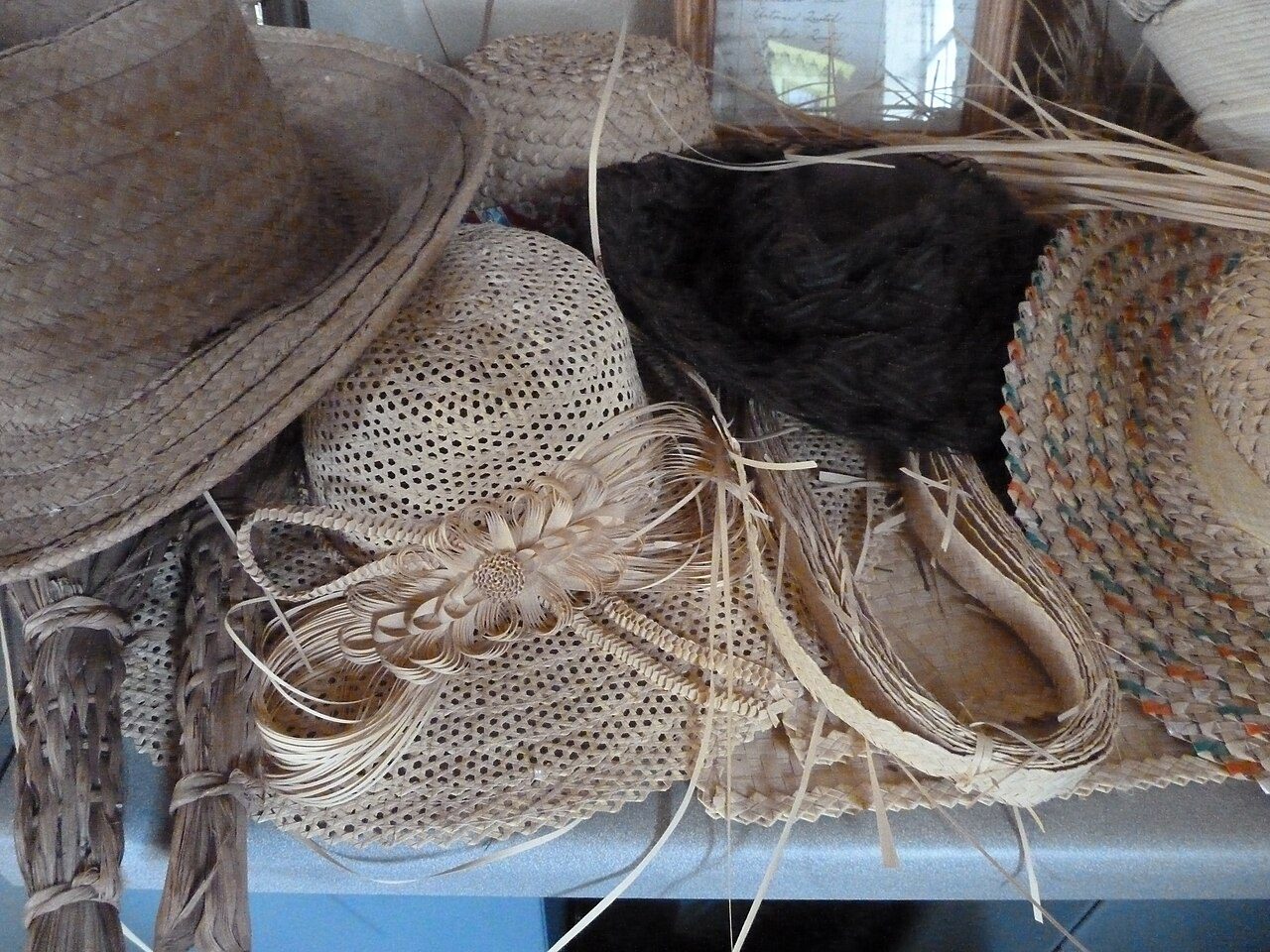
Those of us who grew up on St. Thomas knew that fishing and farming were a major part of the French community. As a child, I remember the French women weaving our native palm tree fronds into bags, hats, placemats, and other culturally unique craft items. As times changed, so did many of the cultural events once prominent in the French community on St. Thomas .
Music and dancing were also a major part of the French tradition, especially during certain festival events, such as weddings and Bastille Day. The French music had a distinctive flavor. Some of the instruments were accordion, harmonica, violin, a drum, a metal triangle, and guitar, which were incorporated into the local scratch band sound, or quelbe music.
The courtship practices of the French long ago were like that of other cultures in the Caribbean. According to Highfield, who interviewed with Carenage in French town, the young man was only allowed to see the young girl in her parents’ home. Wednesdays and Saturdays were set aside for this. The young couple sat in the living room of the girl’s parents’ home under the watchful eye of a member of the family.
On the other hand, intermarriage between French and non-French was generally frowned upon, according to Highfield’s reserach. This happens usually with a French man and Black woman. However, the children of such unions were usually accepted by the French community if the couple remained in Carenage village. From what Highfield gathered in his research of the French on St. Thomas, indigenous folklore among the Carenageois was almost absent.
In his note he stated, “There are no stories or accounts dealing with the origin of the French community in St. Barts. Very few can relate anything at all specific about the immigration of the community to St. Thomas.” Highfield went on to explain why folklore was not a major element of the French culture on St. Thomas. Nevertheless, the French community has contributed greatly to the Virgin Islands history and culture. Therefore, the French community is part of the authentic kallaloo pot of the Virgin Islands history. In other word, we are one Virgin Islands!
Read Part 1 of the series here: Op-Ed: The Enduring French Influence on Virgin Islands History and Culture
— Olasee Davis is a bush professor who lectures and writes about the culture, history, ecology and environment of the Virgin Islands when he is not leading hiking tours of the wild places and spaces of St. Croix and beyond.