

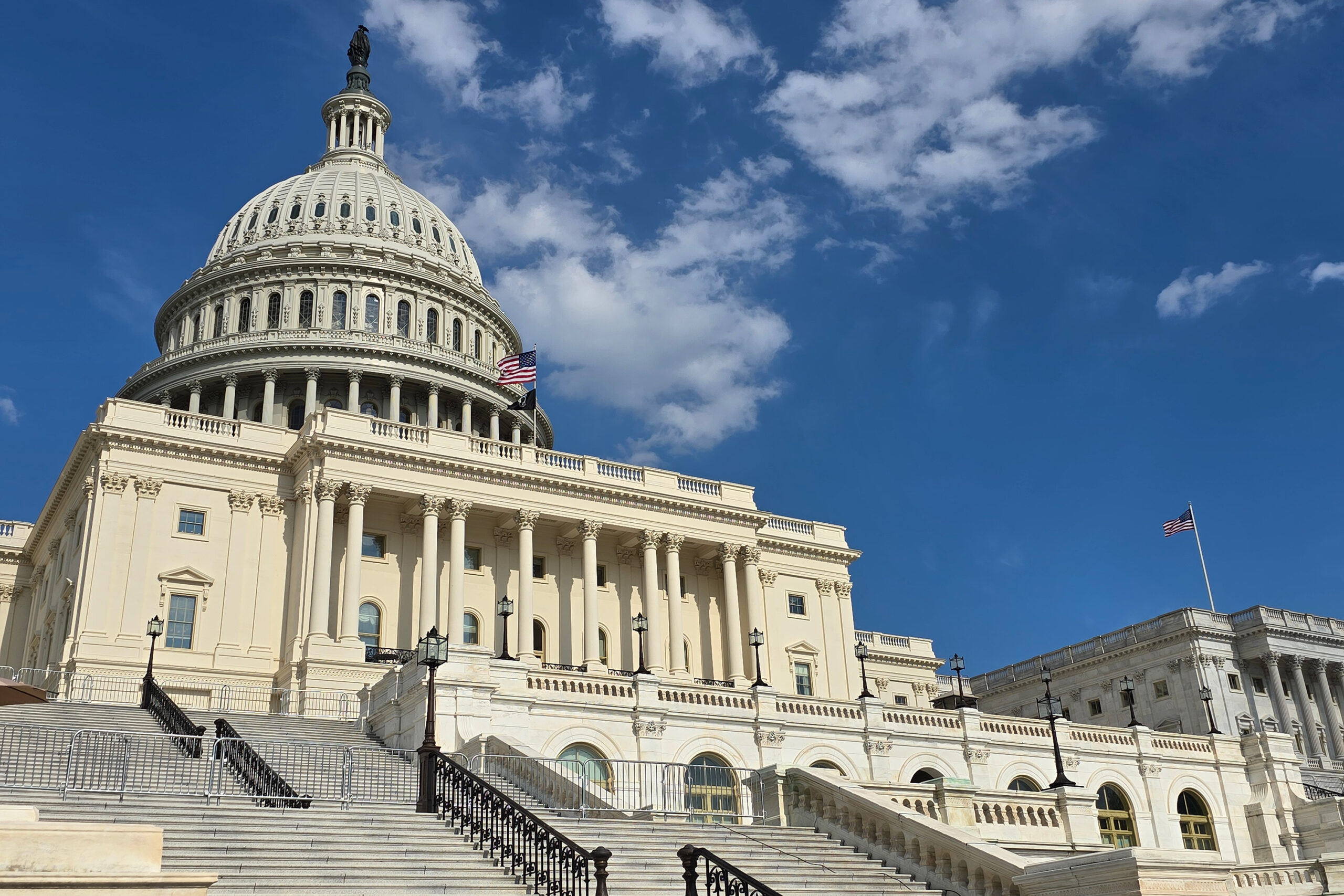
This year’s election for Delegate to Congress may become one of the most consequential in recent Virgin Islands history. Most campaigns will focus on familiar concerns — healthcare, infrastructure, crime, education, disaster recovery, and the cost of living. These are important issues deserving thoughtful debate. Yet looming over all of them is a constitutional question that could shape the future of the territory for generations: What does American citizenship mean in the Virgin Islands?
Many Virgin Islanders are surprised to learn that our citizenship does not rest on precisely the same constitutional footing as that of citizens born in the 50 states. Individuals born in the Virgin Islands are United States citizens because Congress granted that status through federal law. While that citizenship is fully recognized today, its statutory origin has long distinguished the territories from the states in constitutional debates. That distinction has often seemed like an academic discussion reserved for constitutional scholars. Today, it has become a practical political question.
The pending birthright citizenship litigation is not simply about immigration policy. It is also about who possesses the authority to define American citizenship. If the court emphasizes congressional authority over territorial citizenship or narrows the constitutional understanding of citizenship in ways that affect the territories, the Virgin Islands could once again find itself confronting uncomfortable questions about its constitutional status. Territorial leaders have warned the court that the case could have consequences beyond immigration by affecting how citizenship is understood in America’s territories. That reality should reshape the conversation surrounding this year’s congressional election.
The Delegate to Congress occupies a unique office. Unlike senators or representatives from the states, the Delegate cannot cast a final vote on the House floor. Yet the Delegate serves as the territory’s principal constitutional advocate in Washington. The effectiveness of that office has never depended solely on voting power. It has depended upon persuasion, coalition building, committee work, and relentless advocacy. The next Delegate will likely spend as much time defending constitutional principles as securing federal appropriations. That requires more than political popularity. It requires constitutional literacy.
The next Delegate must understand the complex relationship among the Territory Clause, congressional authority, the Fourteenth Amendment, the legacy of the Insular Cases, and the statutory foundation of citizenship in the Virgin Islands. These are no longer abstract legal concepts. They are becoming questions that may directly affect the rights of future generations. The office will require someone capable of explaining why the Virgin Islands deserves equal dignity within the American constitutional system while recognizing the legal realities that distinguish territories from states. This moment also exposes an uncomfortable truth.
For decades, constitutional education has occupied only the margins of Virgin Islands politics. Campaigns have centered almost exclusively on personalities, local projects, and partisan loyalties. Rarely have candidates been asked to explain the constitutional framework governing the territory itself. That must change. The Delegate elected this year may be called upon to defend not merely federal funding but the constitutional understanding of citizenship itself. That is a responsibility unlike any faced by previous generations. It also places renewed importance on the Virgin Islands’ own efforts toward constitutional reform.
If our people hope to exercise greater self-government, we must first understand the constitutional structure within which that self-government exists. Citizenship cannot be separated from political status. Representation cannot be separated from constitutional authority. Self-determination cannot be separated from civic understanding. These issues are connected. Too often, we discuss them separately. The birthright citizenship debate reminds us that the Virgin Islands continues to occupy a unique constitutional position. We are American citizens. We proudly serve in the nation’s armed forces. We contribute to its economy. We pledge allegiance to its flag. Yet we cannot vote for president while residing in the territory. We have no voting member in Congress. Our citizenship derives from congressional enactment rather than the same constitutional pathway commonly associated with the states.
Whether one supports or opposes changes to birthright citizenship is ultimately a matter of political judgment. Reasonable Americans disagree. But every Virgin Islander should agree on one point: Our representative in Washington must understand the constitutional consequences before they arrive. Leadership is often tested not by the crises we anticipate, but by those we never expected to inherit. Whoever becomes the next Delegate to Congress may inherit one of the most significant constitutional debates affecting the territories in generations. The office will require legal understanding, political skill, and the ability to build bipartisan relationships capable of protecting the interests of nearly 90,000 American citizens living in the Virgin Islands.
In “Lead Like You Mean It With Purpose,” I have argued repeatedly that leadership is not measured by the title one holds but by the responsibility one accepts. This election offers us an opportunity to apply that principle. The next Delegate should not simply ask for our vote. The next Delegate should explain how they intend to defend our citizenship, our constitutional future, and our place within the American republic. Because in the years ahead, that may prove to be the most important vote they never get to cast.
— Winston Nugent grew up on St. Croix. He has been honored by the International Society of Poets. Blue Rain, Negus, On Our Island, and Walking in the Footsteps of My Ancestors are among his poetry chapbooks. The following short stories have been published by the University of the Virgin Islands (Caribbean Writers): Two Birds with One Stone, Many Rivers to Cross, and Still Water Runs Deep. He received the Caribbean Writers’ Marguerite Cobb McKay Prize and the Daily News Prize for his story The Rim.
Editor’s Note: Opinion articles do not represent the views of the Virgin Islands Source newsroom and are the sole expressed opinion of the writer. Submissions can be made to visource@gmail.com.