Danny Dennevil, 34, of Tortola, British Virgin Islands, will remain in federal custody pending trial on charges related to a human smuggling operation. On September 26, 2024, Dennevil was charged with illegally bringing aliens to the United States and failure to heave to law enforcement, United States Attorney Delia L. Smith announced.
According to court documents, on Sept. 25 at approximately 7 p.m., Customs
and Border Protection Air and Marine Operations and United States Coast Guard officers
intercepted a vessel crossing the international border from the BVI into United States territory. The unlit vessel, operated by Dennevil, traveled from Tortola, BVI, to Leinster Bay, St. John, where it offloaded two individuals on the beach. Dennevil immediately departed Leinster Bay and headed back towards Tortola. Officers were forced to disable Dennevil’s vessel after he refused to comply with orders to stop the vessel. Thereafter, officers detained Dennevil and two Dominican Republic nationals who were found on the Leinster Bay trail. Dennevil later admitted to the officers that he smuggled the two Dominican nationals from Tortola to St. John, knowing that it was illegal for him to do so. United States Magistrate Allan Teague detained Dennevil and the two Dominican nationals following today’s detention hearing.
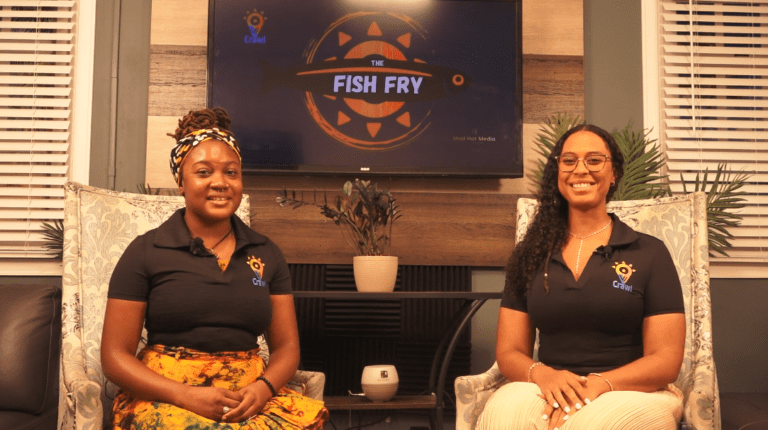
Fish Fry host Imani Daniel sits down with Sen. Alma Francis-Heyliger to share her views on pressing community issues, kicking off this exciting third season. The Fish Fry is produced by The VI Crawl, and powered by Mad Hot Media and the Virgin Islands Source – catch new episodes on Tuesdays, Thursdays and Saturdays this October.
He was preceded in death by his mother, Edith Tuitt; father, Nicholas Cook; brothers: Sylvester, Michael and Lincoln Daly; and sisters: Olive “Brownie” Laudat, Ina Ann Tuitt-Pieters, Vera Tuitt, Linda Daly and Maudelin Daly.
He is survived by his spouse, Rosetta M.M. Tuitt; daughter, Valencia Vanessa Tuitt; son, Lennox Nathaniel Tuitt; grandson, Chad Nequan Joseph Tuitt; great-granddaughter, Seriyah Tuitt; brother, Phillip (United Kingdom); sister, Mary Harris; aunt, Josephine White; uncle, the late Brother Rainey; and nieces:Sharon Laudat (New York), Valarie Tuitt (St. Croix) and Nurse Brenda Daly (Montserrat).
He is also survived by nephews:Emerson Malcolm Tuitt and family (Hawaii), Sydney Knight and family (Canada), Rudolph (Rudy) Pieters, Joseph Craig Hepburn (United Kingdom), Bertand Daly and family (United Kingdom), Studley Daly and family (United Kingdom), Brendon Tuitt (United Kingdom), Elvin Daly and family (Antigua) and cousins: Chris Weekes and family (Montserrat), Children of the late Pastor Kingsley Meade, Nymphus Meade, Luke Meade and Ruel Tuitt.
Other survivors include special friends: Bert Daly and Ernie Daly (New York), the entire Harris Community of Montserrat, West Indies, Blondina Meade and family, Carol Richardson and family, Esperanza Frances and family, Ernie Sweeney and family, Eunice Hurdle, Beverly Andrews and family, Sacky and family, Mr. Connor and family, Mr. George and family, Mr. Alphonso and family, Monica Sadoo and family, Hovensa family and Flemings transport family; family; friends and other relatives and loved ones too numerous to mention; as well as Cardy and family, Mr. John Woodson, Mr. Mack, Mr. Sam Taylor and family, Rev. Edwards and family; and well as aliases: Barry Cooks, Montserrat, Yankee, Tom and Spree Boy.
The viewing will be held from 4:30 p.m. to 5:30 p.m., Friday, Oct. 4, at Kingshill Funeral Home Chapel, Clifton Hill, 303 Kingshill St. Croix. The funeral service will be held from 9 a.m. to 10 a.m., Saturday, Oct. 5, at Ebenezer Methodist Church, Estate Richmond. Interment will be at Kingshill Cemetery.
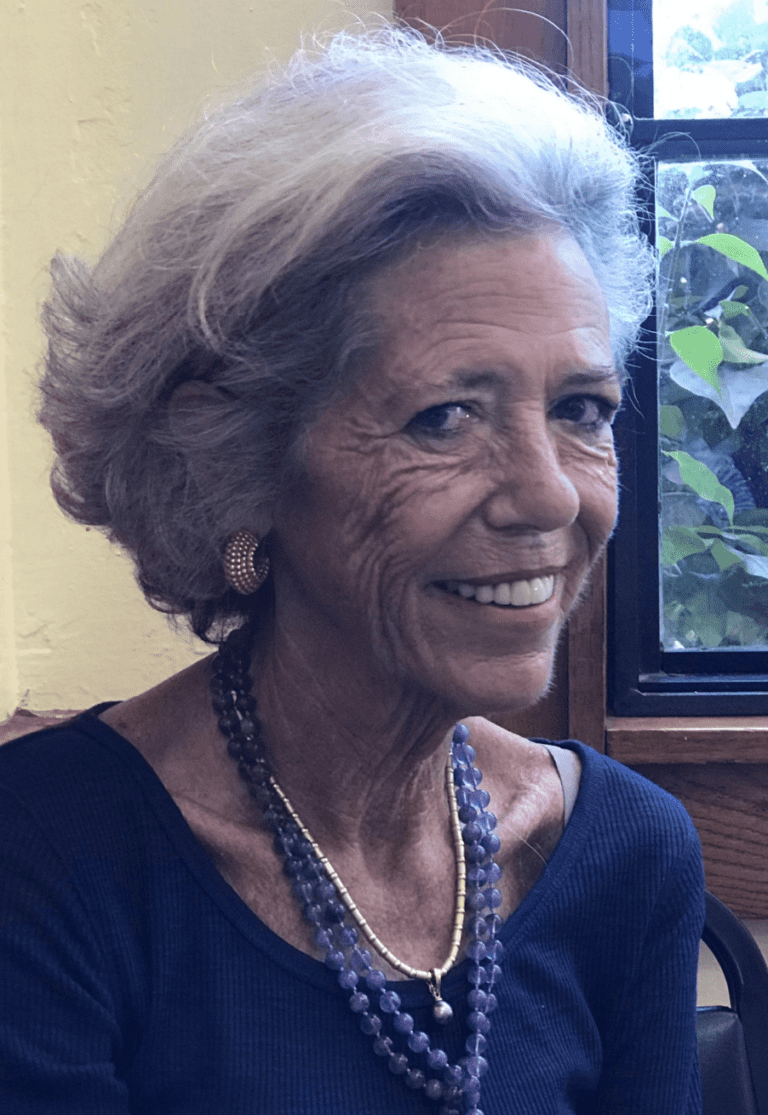
On Sept. 10, Courtney Brown Gabrielson was gathered into the Universe.
Courtney was born in Tokyo, Japan, on April 29, 1954, to his father, Alston Law Brown, a career Air Force officer who was a Japanese linguist serving in Japan after World War II as the assistant air attache to help re-establish that country’s Air Force, and his mother, Jean Jorgensen Brown, who was working for the English language Asahi Evening News as a reporter.
In 1961, recently widowed Jean moved Courtney and her three sisters, Derryle, Brooks and Tracy, to St. Thomas. She attended Antilles School, graduated from Oakwood Friends School in Poughkeepsie, New York, in 1972 and attended Denver University until returning to St. Thomas in 1976.
She worked in the family business Caribbean Travel Agency/Tropic Tours, and, except for a time while owning and managing the Frenchtown restaurant Portofino, became the president/CFO. She was married to Ron Gabrielson, who was the owner and trainer at Tropic Training on Solberg until he died in 2016, and has one son, Egon Gabrielson.
She worked tirelessly in the family business, established in1961 by Jean, along with her sisters and many long-time co-workers who through the decades were considered family members as well.
In 2020, following changes within the travel and tourism industries, multiple hurricanes with constant rebuilding and a decline in her health, Courtney reluctantly decided to leave her beloved St. Thomas and its people and friends to move to Venice, Fla. Without the care provided by family and longtime St. Thomas friend Lisa Berger, she may have left us earlier, but Courtney was formidable in her unwavering courage, spirit and acceptance of things to come, always with a smile and love for those around her.
Courtney is preceded in death by her father Alston Brown; her mother, Jean Brown Hendricks; stepfather, Jens Hendricks; sister, Brooks Brown; and husband, Ron Gabrielson. She is survived by her son, Egon Gabrielson, his wife, Beth, and their two children: daughter, Charlie and son, Bohdi; her sisters: Derryle and her husband David Berger and Tracy Brown and her husband, Tom Wiggins; and special friends: Lisa Berger and Suzy Berecz.
Her many friends and her family will always remember Courtney for her intelligence, warmth and irrepressible sense of humor. She was a joy to know and will be sorely missed.
An announcement of a celebration of the lives of Courtney and Brooks to be held on St. Thomas will be provided at a later date.
Coral in St. Croix, Virgin Islands (photo by John Melendez)
The U.S. Department of the Interior’s Office of Insular Affairs has awarded a grant of more than $406,000 to The Nature Conservancy in the U.S. Virgin Islands This funding will directly support coral restoration efforts in historically mined areas around St. Croix, a practice that once removed large sections of reef and left habitats struggling to recover.
“This grant will allow us to increase the success of our current coral restoration efforts through targeting resilient coral stock to add to our resources,” said Jessica Ward, Virgin Islands Coral Program director. “The project will focus on the identification and use of resilient corals in our restoration work that is essential to increasing reef health and resistance to impacts like disease and climate change.”
For three centuries, coral mining removed large amounts of living coral from the reefs around St. Croix in order to build the coral stone buildings of Christiansted, Frederiksted and the more than 150 windmills used to process sugar cane. Removal of the coral leads to habitat loss for marine species and weakens the overall health of the reef. These damaged ecosystems have faced slow recovery and are facing the increasing threats of the climate crisis, including bleaching and other coral-related diseases.
As coral reefs are integral to the health of the marine environment, tourism, fisheries and shoreline protection in the U.S. Virgin Islands, this award represents a long-term investment in both the environmental and economic future of the region.
“The grant allows us to bolster the long-term success of our restoration efforts, ensuring the reefs can continue to support marine life, protect coastlines, and recover at a faster rate than before,” said Matt Davies, field project supervisor. “These funds will also support the establishment of a coral gene bank, to safeguard the survival of diverse genetic lineages. We are excited by this opportunity to enhance our restoration work while continuing to develop local capacity to support a sustainable future for the coral reefs and communities of St. Croix.”
As one of the first areas of the Caribbean where The Nature Conservancy began its coral restoration work, USVI’s efforts have been pivotal to rebuilding damaged reefs. By partnering with local stakeholders, scientists and federal agencies, the team’s ongoing commitment is essential for a healthy ocean and its reefs that act as natural barriers, protecting coastal communities from storm surges and erosion, and enhancing their resilience to ongoing climate-related stressors.
Gov. Albert Bryan Jr. announced Julio Rhymer as the director-nominee for the Office of Management and Budget at Monday’s press briefing. (Screenshot from V.I. Legislature Facebook live stream)
At a Monday briefing, Gov. Albert Bryan Jr. detailed plans to use funds from the recently loosened $100 million line of credit, initially meant for disaster recovery, to address $50 million owed to vendors.
Earlier this month, Bryan requested the 35th V.I. Legislature either increase the government’s $150 million line of credit or authorize a new $50 million line to help cover the territory’s financial obligations. The proposal sparked criticism from some lawmakers, who raised concerns about the government’s fiscal management.
Monday, Bryan discussed how he plans to use the line of credit, of which about $80 million is available. He said the vendors are owed about $50 million. He said $14 million is in arrears at least six months and the rest isn’t any older than 90 days.
The entire line of credit won’t be used for payments, however, he said because a lot of them are advance purchases, invoices without purchase orders and emergency purchases.
“I’m going to tell the public today and please print it in the paper: you give the government of the Virgin Islands services without a purchase order, you’re not getting paid. Unless you have a letter from a commissioner saying it’s an emergency payment,” he said twice.
The governor estimated, per a study conducted, that as many as 40 percent of the bills lack an invoice or purchase order – “an employee problem” rather than a vendor problem that’s left the government now hunting down the bills.
“We have too many people going out incurring expenses against GVI without a purchase order and we can’t manage a government like that,” he said, adding that “every time we pay it down, we find new invoices.”
While the governor said he’s working to further tighten up the process with employees, he did add that just be conservative going into the new fiscal year on Tuesday, the could still be a five percent cut across government departments and agencies due to a late tax filing deadline in February and the lull in tourism during slow months like September and October.
Focusing on other bills passed by the Senate during last week’s session, Bryan also honed in on the $18 million in Epstein settlement funds appropriated for a mental health facility on St. Croix, for which he said the estimate came in at $240 million. Saying the territory “can’t afford” two mental health facilities but would benefit more from one fully staffed and operational one, Bryan said instead that last week, he and the commissioners of Health and Human Services toured the 40-bed Sea View Nursing Facility on St. Thomas. The governor said it is “mostly intact,” that he had signed a letter of intent with the seller and that it could be renovated more quickly with the funds.
Wrapping up the presser with a surprise announcement, Bryan revealed Julio Rhymer as the new director-nominee of the V.I. Office of Management and Budget, replacing Jenifer O’Neal, who resigned in June at the governor’s request. It’s a role he’s familiar with, Bryan said, having served in the same position under the previous administration for a little less than a year.
Asked how he would characterize his previous time on the job, and what lessons he took away, Rhymer said his first go-around had to do with bringing in disaster recovery funds, while this phase focuses on how to get those funds expended.
“What we have here now in lessons learned is how do we actually spend the funds that are available to grow the territory going forward,” he said, adding that his focus now is to “rebuild” OMB.
“Currently, and I looked at the organizational chart and the structure of OMB right now, there’s 30 vacancies in an agency that has 50 employees, so therefore there’s a willingness for me to rebuild that organization professionally,” he said, citing a list of previous directors – Justin Moorhead, Ira Mills and Debra Gottlieb among them – that he said came from within the agency.
“And now that we have to go back outside and bring me back here to actually build this agency, I want to actually build a team that can do the same thing, that replicates the past that actual makes a successful agency going into the future,” Rhymer said.
Rhymer has also held financial positions at the V.I. Water and Power Authority and Viya, along with the Virgin Islands Housing Finance Authority.
Rhymer has two master’s degrees and served as OMB director for less than a year before taking a position at the Virgin Islands Telephone Corporation (Viya). He also worked at V.I. Water and Power Authority for almost six years. Rhymer said he will work on rebuilding the agency since there are around 35 employees in a department of 50.
Also joining Bryan at the briefing were:
Office of Disaster Recovery Director Adrienne Williams-Octalien, who reported that the government has finalized all fixed-cost offers for the FEMA’s Public Assistance projects days before the deadline, Sept. 30. The documentation will allow federal funding to cover 98 percent of rebuilding for all projects under Section 428 Alternative Procedures. Critical facilities include schools, hospitals and utility systems that will be rebuilt to industry standards regardless of preexisting systems. Construction of the 241 projects must be completed in 11 years. Bryan praised the director for copious documentation a “major milestone.”
Daryl Jaschen, VITEMA director, spoke about three storms currently in the Atlantic, none of which will likely affect the territory. “Kirk” is the most recently named storm. It is predicted to become a major hurricane by Wednesday but will track north. Jaschen cautioned residents to continue to pay attention to weather alerts because “the strength can change rapidly,” as seen with last week’s Hurricane Helene.
The Virgin Islands, especially St. Croix, continues to observe high temperatures with the risk of dehydration and heat stroke.
Renderings show the first phase of the new Estate Donoe apartment community as it was proposed to look in 2021. (Source file photo)
Seven years after hurricanes destroyed the already-rickety Tutu High Rise and Donoe Apartments, promises to quickly and efficiently rebuild the public housing remain years behind schedule and startlingly over budget, according to testimony at the Senate Monday.
In January 2021, the Virgin Islands Housing Authority, contractors, and management companies estimated building 84 apartments in 14 buildings on 10.6 acres would cost $57.7 million and be completed by December 2022. With work less than 40 percent complete, construction was stalled and at least a year behind schedule in September 2022 and remained so.
Fears about soil contamination from the nearby solar farm also obliterated by the storms were addressed years ago.
Dwayne Alexander, executive director of the Virgin Islands Housing Authority for just seven months, told the Committee on Housing, Transportation and Telecommunications that the long-stagnant project required an additional $46 million. He didn’t say why work had stopped and not restarted.
“We are currently in the process of completing the environmental remediation work, which is anticipated to be finalized by mid-November,” Alexander said.
If the money were approved and allocated by federal authorities, work could resume as early as 2025, with a potential completion date in December 2026, he said.
Alexander said other projects, some languishing well behind schedule, were still in the works. Sen. Dwayne DeGraff said the authority’s $200 million budget to complete the projects was the equivalent of “pocket change” given the enormous scope of work.
Redevelopment of the Estate Tutu North Senior housing involves constructing a new five-story building with 60 accessible apartments in Annas Retreat. Demolition of the office building currently on the site was scheduled for December and expected to take at least six months, Alexander said.
“Designed with a preference for senior residents, we are targeting financial closing for this project in the second quarter of next year. The estimated completion date for construction is December 2027,” he said.
Financing rehabilitation of the 106 apartments in D. Hamilton Jackson Terrace was expected to close by mid-November, with an estimated construction completion date in December 2026, Alexander said. The schedule for revitalizing the Alphonso Gerard Complex, also known as Bassin Triangle, was less clear, requiring additional contract agreements, he said.
Work redeveloping Tutu North and the Lucinda Millin Home were stalled, he said.
“These projects are still on hold at this time as we continue to evaluate the feasibility in moving forward based on cost and available financing,” Alexander said.
Some rehabilitation projects have been completed and other new projects were on the way, he said.
Work revitalizing the Walter I. M. Hodge’s 20 buildings and community center was completed Sept. 9, Alexander said. Only landscaping and touchups remain to be done for the 248-unit facility. The site currently has 122 units leased, and 126 units are vacant and ready to be leased, he said.
Construction of nearly 100 new units at Stoney Ground would help the elderly to age in place with support services provided onsite.
“The first phase encompasses 98 units distributed across four buildings. The primary objective of this initial phase is to offer replacement housing for the residents of the Wilford Pedro Home, also known as the Whim Gardens community. We are currently awaiting environmental approval and acquisition authorization from the U.S. Department of Housing and Urban Development to proceed with the purchase of the property,” Alexander said.
The Housing Authority manages 2,536 public housing units spread across 21 developments. Alexander said the authority was on track to be at 96 percent of capacity by year’s end.
He said the authority was redoubling efforts to make repairs to aging or storm-damaged units.
“Over the same time in 2024, the team has opened 7,781 work orders, an increase of over 2,600 worker orders compared to last year. This surge is not merely in quantity, it reflects our commitment to enhancing our operational efficiency and responsiveness to our residents’ needs. We also saw a remarkable improvement in our closure rate, with 6,674 work orders closed, almost 2,000 more than the previous year,” Alexander said.
He said the authority was also working to help their residents better their financial situations. The Resident Wellness and Empowerment program sought to empower residents by promoting opportunities for economic mobility and self-sufficiency through targeted programming and community partnerships. The objectives include household wellness assessments, workforce development, financial management education, and establishing resident councils.
“To date, we have established and registered six resident councils,” Alexander said. “These councils will play a vital role in fostering communication, representation, and resident participation in key decisions that impact their communities.”
The authority was also checking in on residents who may be in danger of not being able to make rent.
As of Aug. 31, Alexander said, they had identified 569 families in positions of concern. There were 180 vulnerable families, relying heavily on subsidies and 106 families with one consistent income but reliant on subsidies. There were 283 families reliant on subsidies despite having one or more incomes.
Homeless advocates from the Methodist Training and Outreach Center, the Virgin Islands Continuum of Care Council on Homelessness, Catholic Charities, the Human Services Department, and others spoke on difficulty caring for people in greatest need.
Dan Derima, chairman of the Continuum of Care Council, said 252 people were unsheltered in the territory. Averil George, Human Services commissioner, put the number at 207, down from 314 in 2019.
Derima said facilities were not adequate for the assistance needed, no matter the number.
“These people are living in a place not fit for human habitation, such as abandoned buildings, parks, and our ballfields. Some are generally in unpleasant situations, for example, ex-prisoners recently released, some facing family disputes, or having no family on island. We also have those people faced with eviction for delinquency or non-payments and overcrowded living conditions. This situation does not speak well of the territory and how they treat their own, the less fortunate constituents,” he said.
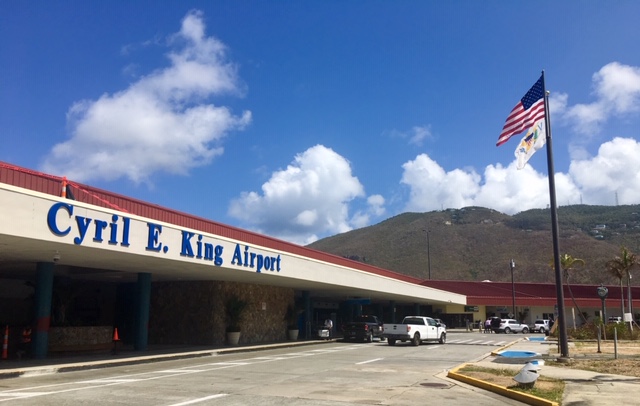
The Virgin Islands Port Authority announced “SkyCity VI Airports Company” as the special purpose company to redevelop the Cyril E. King Airport and the Henry E. Rohlsen Airport as part of the public-private partnership (P3) project that is anticipated to begin next year.
In March, the Virgin Islands Port Authority selected VIports Partners as the potential public-private partner for both the King and Rohlsen airports during a special governing board meeting. VIports Partners comprises of terminal developer- Aecon Group Inc., equity providers- Aecon and Tikehau Star Infra, airport operator- AvPorts LLC, terminal architects- Corgan Associates, Inc., contractors- Aecon, Joint Venture of Consigli Construction and J. Benton Construction, and legal team- Orrick, Herrington & Sutcliffe, LLP and Dudley Rich LLP.
According to Port Authority’s Public Information Officer, Monifa Brathwaite, SkyCity is a conglomerate of the companies that make up VIport Partners.
“They are not subcontractors. The team are the same members of VIports Partners working under the name ‘SkyCity’ as a special purpose company, which is created for a specific reason. In this case the reason is to develop, finance, and operate the airports on behalf of VIPA during the lease term,” said Brathwaite.
In the press release issued by the Port Authority, the partnership was selected to redevelop the airports on St. Croix and St. Thomas under a collaborative design, build, finance, operate and maintain P3 model. SkyCity is a special-purpose company comprising Aecon as the developer and lead constructor, Tikehau Star Infra as a developer, local construction partner J. Benton Construction, and operations and maintenance partner Avports to carry out the task. As such, SkyCity will redevelop and take over long-term operations, maintenance, and commercial functions of the airports.
“We expect financial close for the P3 agreement in the first quarter of calendar year 2025 and construction to begin mid to late 2025,” said Brathwaite. “Both airports will be under construction at the same time and the project will take approximately three to four years to complete.”
Brathwaite said that the completion of the project will include redeveloped terminals that have passenger boarding bridges and stair access, which will accommodate all types of aircraft utilizing the airport facilities.
“While the addition of passenger boarding bridges is included in the plans for both CEKA and HERA, the design for both terminals are still a work in progress. We will share more information when we have completed the ongoing transition process,” Brathwaite said. “The details of the new designs for both airport terminals will be shared with the public once the designs are finalized.”
To gain profit, the Port Authority will receive annual rent payments and a share in airport revenues. According to Brathwaite, short and long-term maintenance at both airports will be paid for by the private partner during the lease term.
“The private partner will serve as VIPA’s agent and operate the Airport,” Brathwaite said.
Currently, the Port Authority is in a transition period before the renovation project can begin and the P3 agreement officially enacted.
“The transition period is anticipated to take nine months from the signing of the Transition Agreement, which took place on April 5, 2024, at a joint press conference held at Government House with Governor Albert Bryan Jr., VIPA, and representatives of VIports Partners. The final P3 agreement will not be signed until the transition period is completed,” said Brathwaite.
When asked how long will the P3 agreement last and if the Port Authority will still have authority to override decisions made by VIports once the P3 agreement is official, Brathwaite said that the terms are still being finalized.
“VIPA will maintain ownership and oversight of both airports and remain the airports’ sponsor with the FAA during the lease period. As owner of the airports, the authority’s board of directors and management will have input and oversight in airport operations,” said Brathwaite.
She also highlighted that the partnership is not a privatization.
“Please note that this is not a privatization, and that term should not be used in reference to this project. The airports are not being privatized. This agreement will be a public-private partnership allowing for private investment and development of the USVI airports,” said Brathwaite.
Further information about the project is available on the VIPA Airports P3 Project website and www.skycityvi.com.
Like people in other storm-prone places, Virgin Islanders have felt the pinch of high property insurance rates. (Source photo by Mat Probasco)
Market forces limiting the availability of property insurance in the Virgin Islands and raising prices could begin to level off, officials told the Senate Monday. But it hasn’t happened yet.
A so-called hard market, where large insurance companies charge more to cover potential losses by smaller insurance companies, started in 2019, said Glendina Matthew, director of the Division of Banking, Insurance and Financial Regulation, part of the Office of the Lieutenant Governor. It was the first hard market since 2001-2004, after which rates softened.
The cyclical nature of these markets can be difficult to predict but can mirror the likelihood of major insurance-payout events, like natural disasters, Matthew told the Committee on Housing, Transportation and Telecommunications.
“Climate change and global warming continue to have a significant impact on our weather, particularly as it relates to the frequency and intensity of catastrophic events,” she said. “As a result of catastrophic events such as hurricanes Irma and Maria and other weather-related activities, reinsurers have been declining or limiting the amount and types of risks they will undertake, which in turn has limited insurer’s ability to write new and renewal coverage.”
The National Oceanic and Atmospheric Administration reported that 1980 to 1989 had the least billion-dollar losses in the United States, totaling $218.9 billion. In contrast, between 2010 and 2019, total losses topped $993.4 billion, Matthew said.
“To put things in perspective, Hurricane Irma, which devastated the U.S. Virgin Islands and Florida and caused severe storm surge damage in other states total costs was $64 billion. Hurricane Maria which also devastated the U.S. Virgin Islands 12 days after Hurricane Irma and devastated Puerto Rico and other states had a total cost of $115.2 billion. These two events cost the insurance industry $179 billion. Most recently, in late June, Hurricane Beryl became the earliest forming Category 5 hurricane on record, and it is estimated to cost $6 billion,” she said.
Despite the storms, other economic factors could help soften the market, Matthew said.
“Overall, based on what we are hearing in the insurance industry including the reduction in interest rates by the Federal Reserve, the market should continue to soften, which will result in rates flattening or decreasing and insurance coverage becoming readily available. Do remember despite industry predictions the weather conditions will play a major part on what happens next,” she said.
Sandra Harty, president of the VI Insurance Association and manager of Inter-Ocean Insurance Agency, said insurance companies rely on large companies for reinsurance. If they can’t get insurance underwriting, they can’t sell it to homeowners.
“The capacity problem is not unique to the VI but worldwide. We have been seeing major carriers like State Farm, Allstate, Farmers stop writing in California, in Florida, and some regional carriers in the Caribbean,” Harty said. “Note that the lack of capacity is for windstorms as other types of insurance such as fire and earthquake are available.”
She said rates were beginning to stabilize but nothing was for certain. A quiet storm season would help.
“We have been hopeful that 2025 would bring a turn in the market and provide additional capacity to enable proper competition with one another since insurance markets are cyclical,” Harty said.
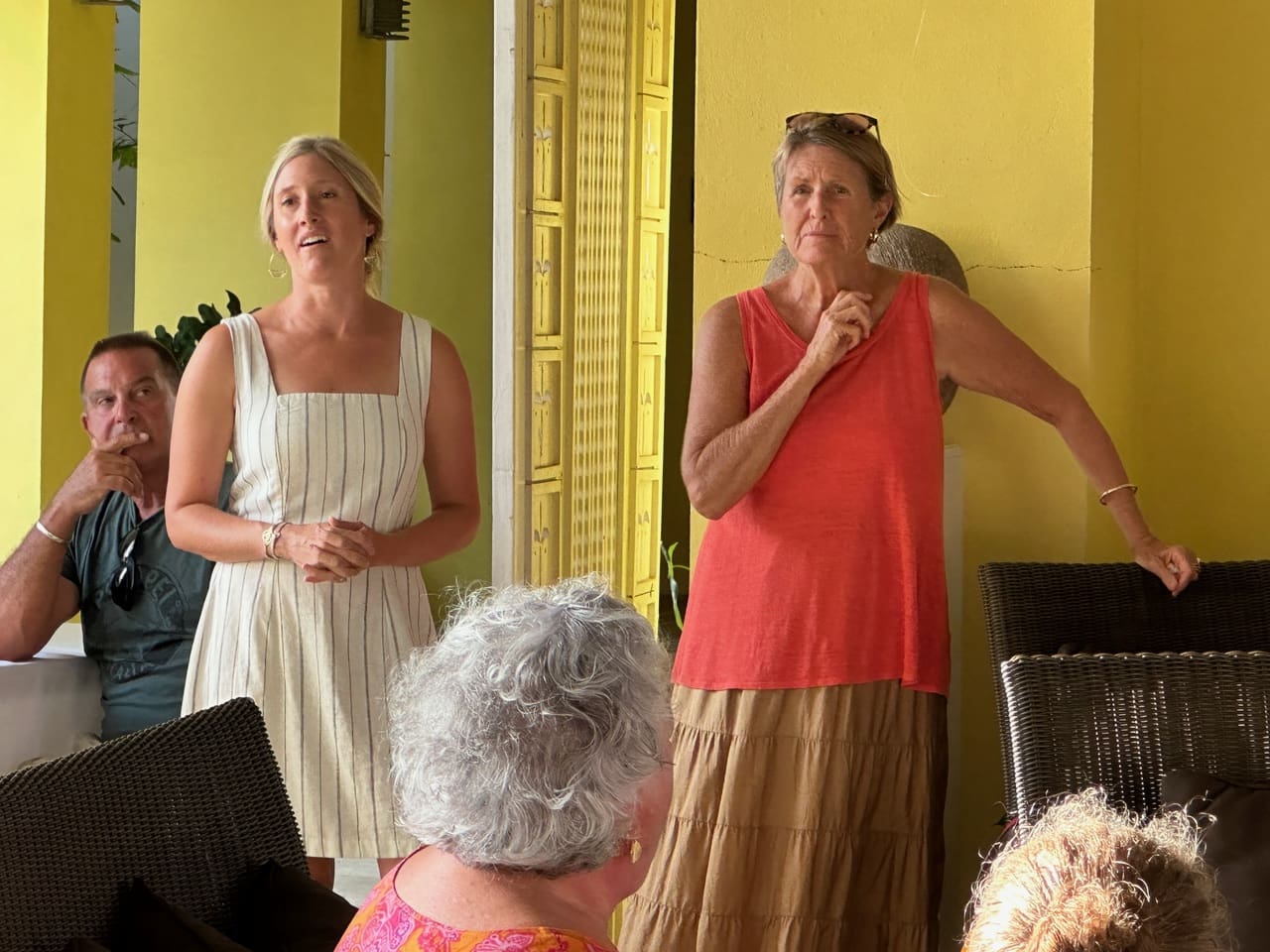
Sarah Brady, executive director of the St. George Village Botanical Garden, talks about grant-funded projects as Susan Kreager, board president, looks on in the Bodine Visitor Center during a volunteer appreciation event. (Source photo by Linda Morland)
St. George Village Botanical Garden (SGVBG) Executive Director Sarah Brady announced several grant-supported projects during a recent volunteer appreciation event.
According to Brady, they are as follows:
“The Coastal Plant and Seed Project through DPNR – we are working on a grant to propagate 1300 seedlings to provide back to DPNR through East End Marine Park to help mitigate coastal erosion. We are propagating specific species that are drought-resistant, such as orange manjack, sea lavender, sea grapes, buttonwood, and pink poui. These plants will ideally be given to residents who live along the coast.“
“We received a $2.5 million grant through the USDA’s Urban and Community Forest Program as part of President Biden’s Inflation Reduction Act. This grant contract will be executed shortly and it’s a four-year grant to assist with climate change and the planting of trees in underserved communities. We have plans to plant 1,100 trees at the garden, provide over 850 trees to the public school system, and become a level two accredited arboretum by the end of the four-year grant program. We also have funding to hire a full-time education coordinator as a large portion of the grant funds educational programs at the garden. We will be embarking on an archaeological dig at the garden in our proposed planting area since the property is so archaeologically dense and we want to be sensitive to what and where we are planting. We have goals to plant tropical spice, fruit, and nut trees specifically.”
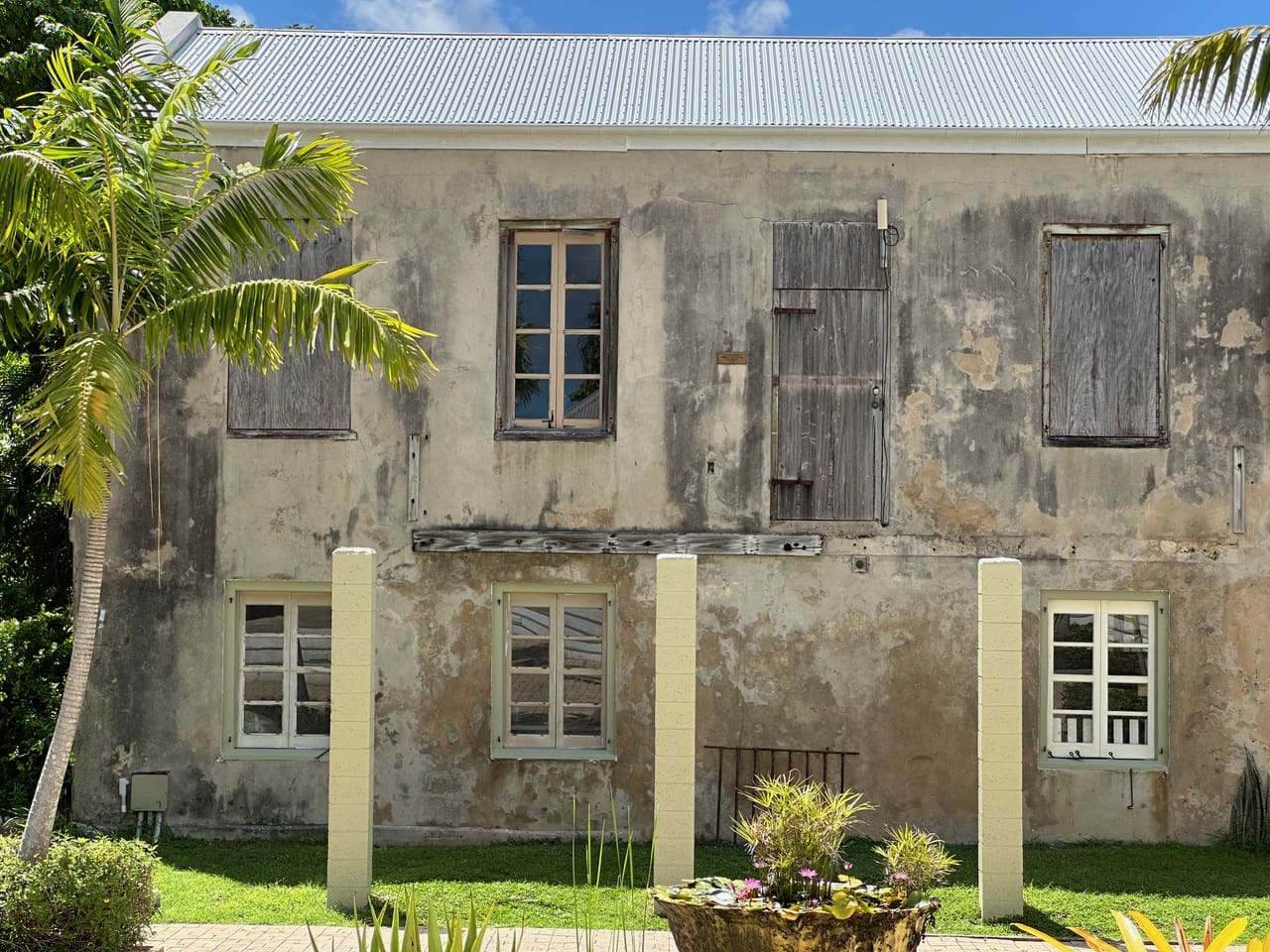
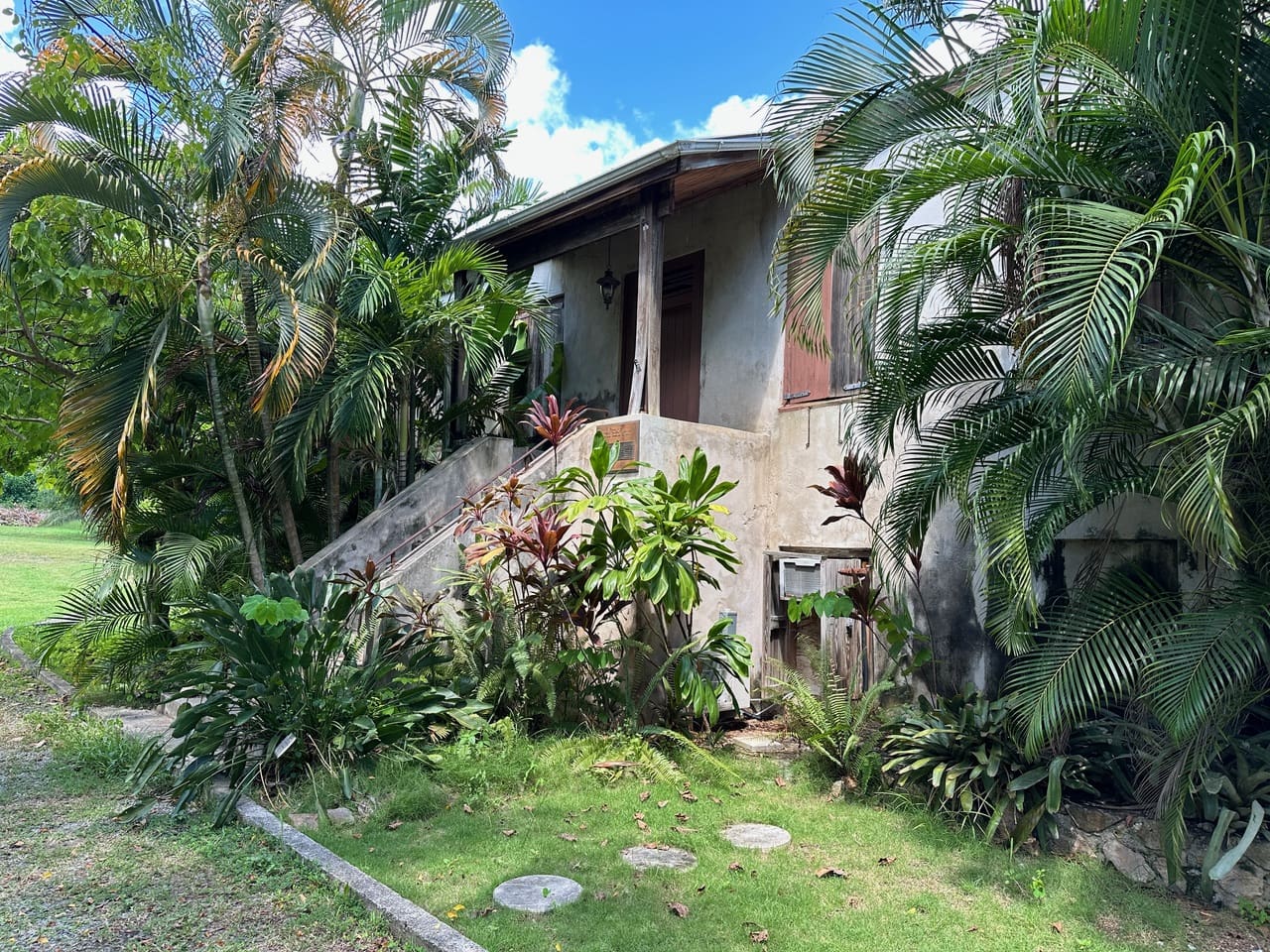
The SGVBG received a grant from Cruzan Rum’s Island Spirit Fund to refurbish the manager’s house on-site. Work will include repairing the roof and shutters and working on the inside of the building. The upstairs of the property is an apartment. The ground floor houses the garden’s herbarium (dried and pressed plants cataloged by family/genus/species and when and where they were collected). More than 6,000 specimens were gathered on St. Croix in the 1970s and 80s.
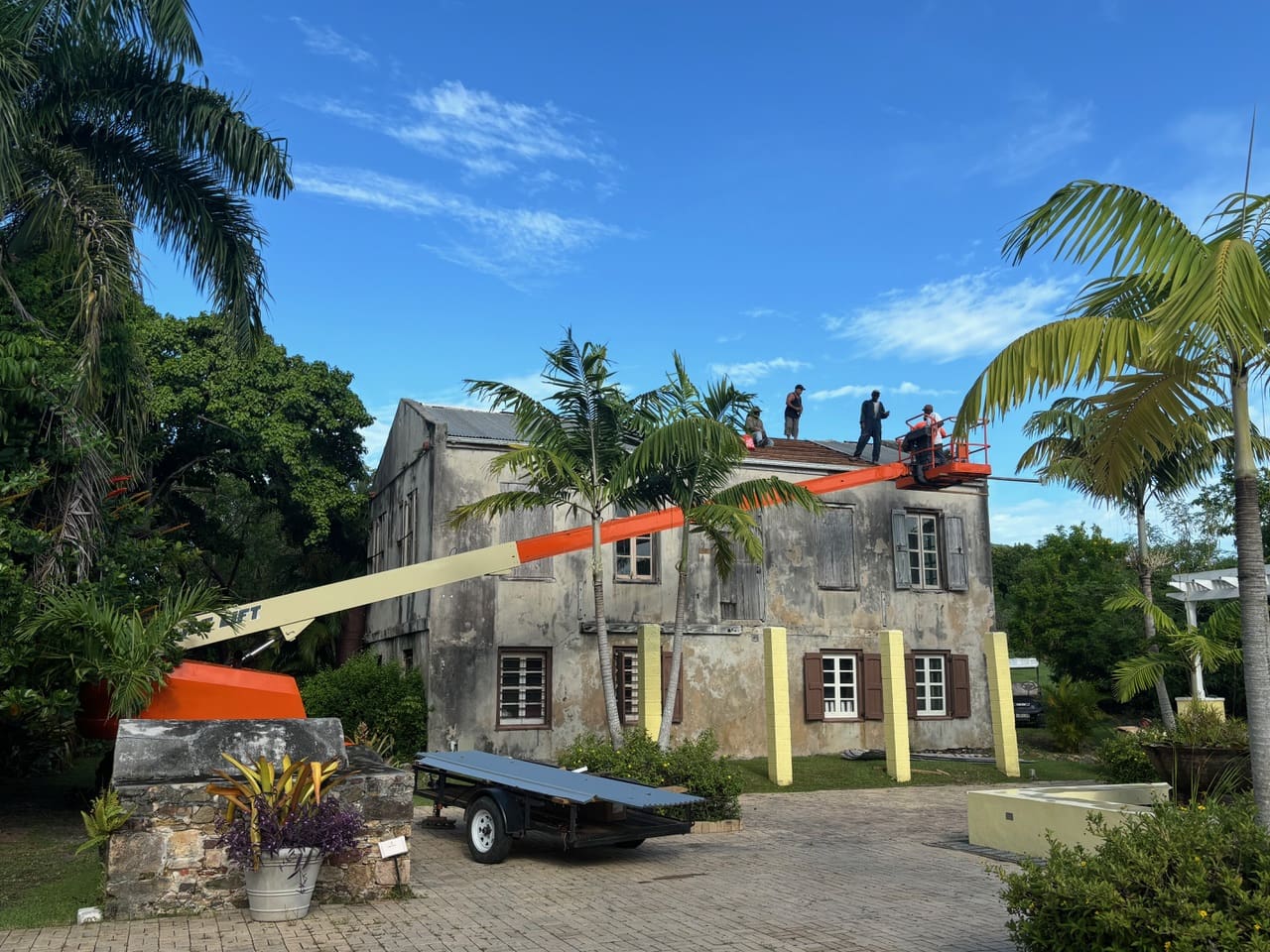
Roof repair of the manager’s house underway by employees of H & L Construction, LLC. (Photo courtesy Sarah Brady)
The work on the manager’s house, located close to the Bodine Visitor Center, is underway. The roof has been repaired and replaced. Hurricane shutters are being refurbished.
Historian George F. Tyson wrote in his 1993 paper, St. George Plantation, St. Croix, U.S. Virgin Islands. During the period of Danish Rule (1734 – 1917), the manager’s house dates between 1815, when it is not listed, and 1825, when it is first recorded. By 1829, if not earlier, it also had associated “outhouses.” An associated rainwater cistern was constructed in 1839. In 1869 it had a flat roof and a cistern, having been repaired after the 1967 earthquake. It was still inhabited in 1923.
The roof and shutters, installed in the 1980s, are the first phase of the rehabilitation project. Volunteers Paul DelRio, Mary Ann Mahoney and Susan Kraeger, president of the board of directors, have worked together to keep the work in compliance with local permitting and historic preservation guidelines.
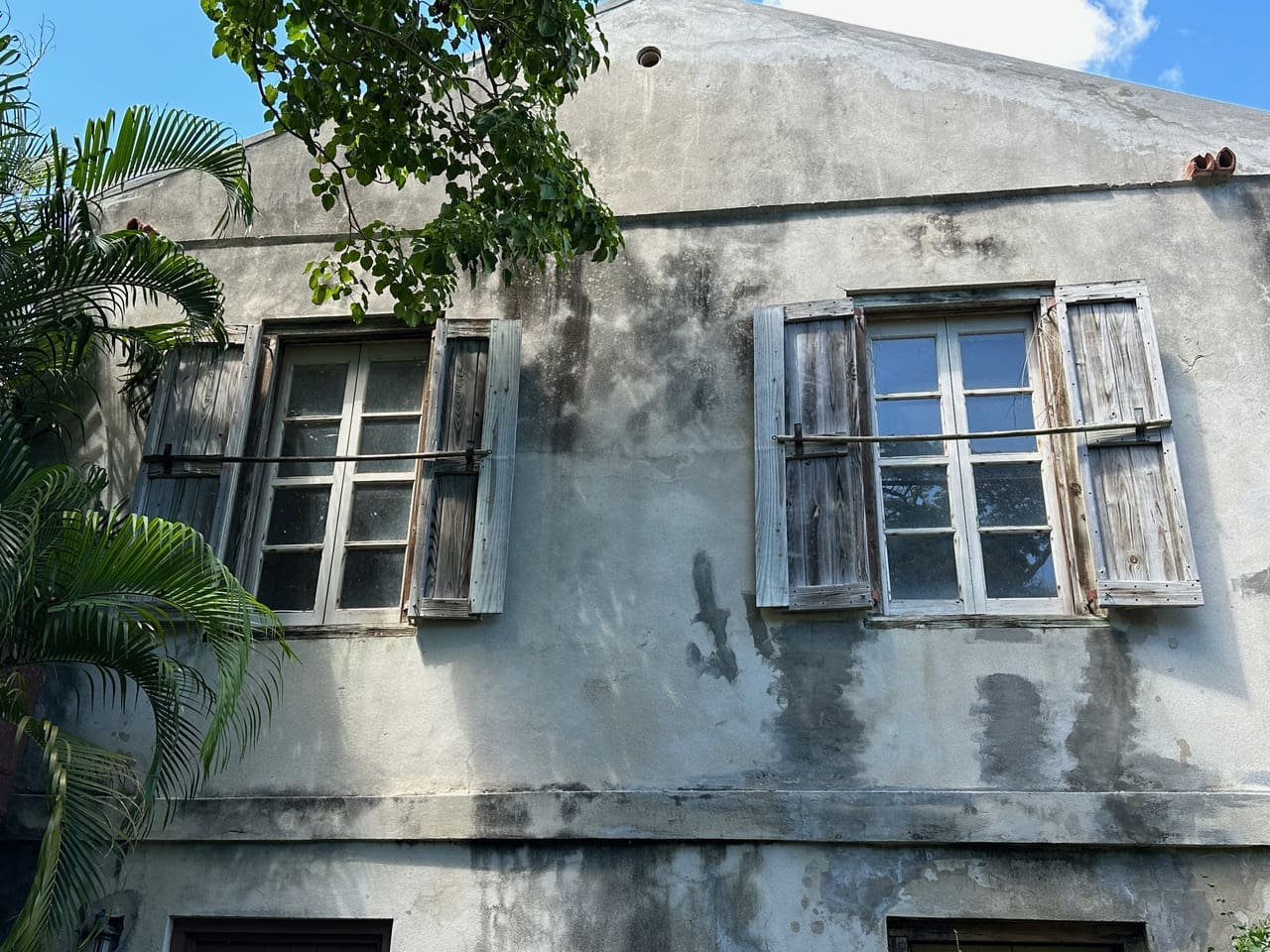
Storm shutters on the manager’s house at St. George Village Botanical Garden, last repaired in the 1980s, await refurbishment by Paul Harding. (Source Photo by Linda Morland)
Jan Magras, professional engineer, has evaluated the roof and building structure and discussed renovation plans with contractors and the State Historic and Preservation Office. Magras prepared engineering plans for submission to obtain building permits from DPNR.
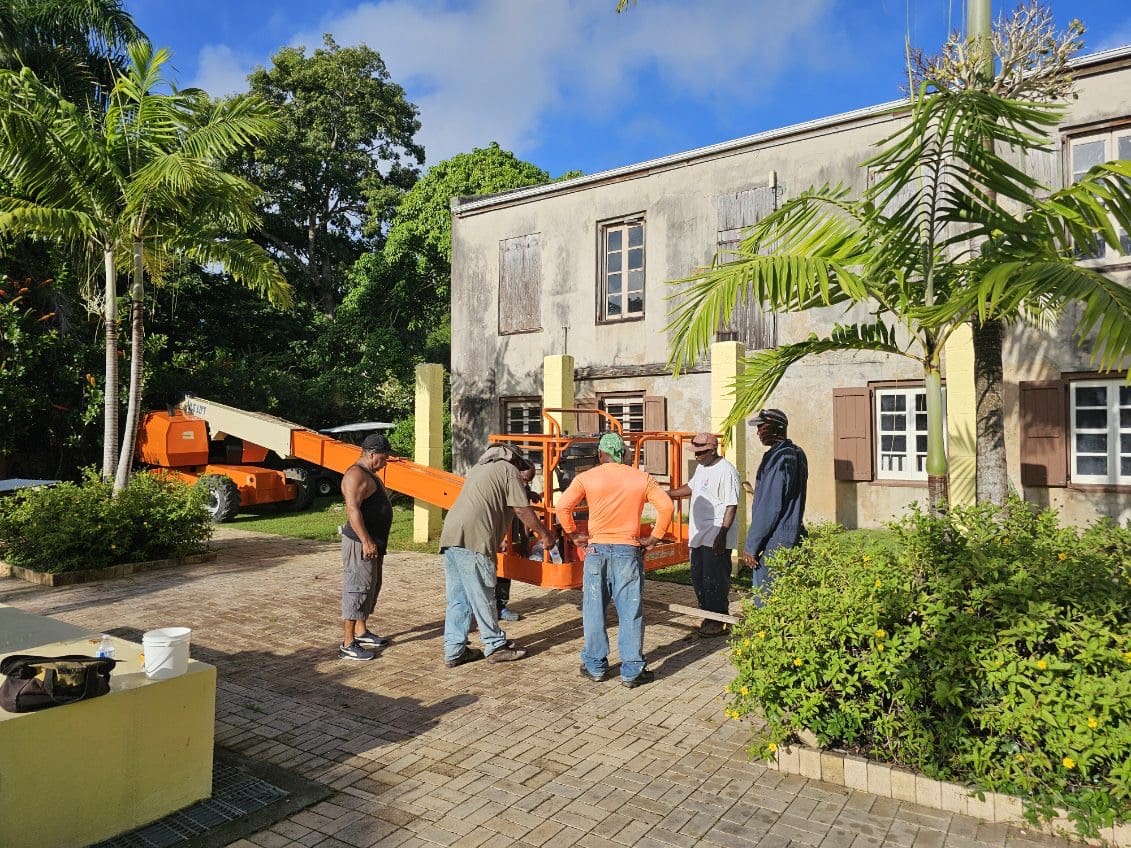
Phase 1 of the project was completed in under a week by H & L Construction, LLC headed by Hiliary Marquis.
H & L Construction employees ready equipment to repair the manager’s house roof at the St. Croix Village Botanical Garden. (Photo courtesy Sarah Brady)
The Galvalume, a corrugated roofing material, is used widely throughout the territory. It is manufactured by B & B Manufacturing of St. Thomas. Christine Greaux assisted by reviewing the proposal with the B & B Management team and obtaining a generous donation to reduce the project cost.
The next phase is repair and installation of wooden hurricane shutters by Paul Harding. He is refurbishing the existing shutters on the manager’s house at a reduced hourly rate to help extend the availability of grant funds.
Phase 2 will include construction of the east and west porches and upgrades to the air conditioning system. Permits have been filed. Contractors will be announced as they are selected.
Columns are in place to reconstruct the east porch of the manager’s house facing the Bodine Visitor Center at the St. George Village Botanical Garden. Permits have been submitted, and once approved, contractors will be selected. (Source photo by Linda Morland)The west porch of the manager’s house at the St. George Village Botanical Garden will be reconstructed as permits are approved and contractors selected. (Source photo by Linda Morland)
The St. George Village Botanical Garden, founded in 1972, is a non-profit organization of 16 acres, planted with over 1,000 plants and trees growing among ruins and repurposed buildings of an 18th-century Danish colonial sugarcane plantation. The St. George Village Botanical Garden is also now recognized as an accredited arboretum in the Morton Register of Arboreta, a database of the world’s arboreta and gardens dedicated to woody plants.