

Home Blog Page 296

Senate Bill Sparks Showdown Over Guns, Rights, and Public Safety

0

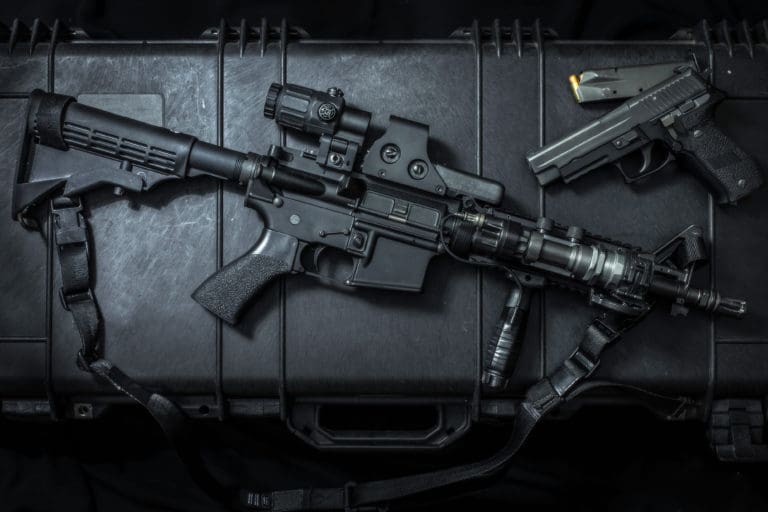
Gunfire in the Virgin Islands, officials say, is now too often the rapid staccato of military-style rifles — weapons capable of emptying dozens of rounds in seconds and increasingly built from parts sent through the mail. Bill No. 36-0144 is meant to confront that firepower, but after clearing committee last week, it now heads to Rules amid fierce debate over safety, rights, and how far the territory should go in limiting guns on its streets.

Sponsored by Sen. Clifford Joseph, the bill proposes a broad set of restrictions on what it defines as “assault weapons,” a category that includes both specific models like the AR-15 and AK-47, and any semiautomatic firearm outfitted with features such as a pistol grip, folding stock, detachable magazine, or threaded barrel. If enacted, it would regulate the importation, sale, transfer, and new possession of these weapons, while allowing those who already legally own them to keep them under strict conditions.

Those conditions, however, are substantial: current owners would be required to register their firearms within 90 days, pay a $1,000 per-weapon registration fee, and store them securely. The law would prohibit carrying them in public, limiting use to the owner’s home or property, or to transport while unloaded and locked to a licensed shooting range. Suppressors and rapid-fire devices, along with magazines holding more than 10 rounds, would be prohibited outright, with the exception of law enforcement and military personnel.

The urgency of the measure came into sharper focus during the Sept. 4th Homeland Security, Justice, and Public Safety Committee hearing when Sen. Novelle Francis, himself a former police commissioner, pressed VIPD’s current Assistant Commissioner Sean Santos on what kind of firearms officers are encountering most on the streets. Santos identified carbine rifles — including AK-47 style weapons — as the weapons of choice, confirming what Francis described as an escalating threat.

“AK-47 — capable of firing 600 rounds from 300 meters, that’s almost 1,000 feet away, capable of killing, maiming hundreds of people at any given time. On the streets they call it a chopper, and they’re selling for about $5,000 to $6,000,” Francis said, asking Santos how often VIPD responds to calls involving such firepower.

“They’ve become common on the streets,” Santos said, noting that police are recovering more and more 5.56 shell casings at crime scenes. Many of the rifles, he explained, are being assembled locally with parts shipped through the mail and then sold illegally. “We’re seeing a steady rise in M4-style rifles and ghost guns being picked up,” he added.

Supporters of the measure insist that it is not a blanket ban on gun ownership but a targeted effort to remove the most dangerous weapons from circulation. Joseph himself told colleagues during the hearing that the bill “does not prevent law-abiding citizens from carrying firearms or keeping them for home protection,” arguing instead that it is designed to curb weapons that have been repeatedly linked to shootings in the territory.

We are not trying to take away people’s rights,” Joseph said, framing the bill as a response to what he called a growing crisis of firepower on Virgin Islands streets. In a call with the Source Sunday night, he explained the proposal had been developed with VIPD since January, not drawn up at random, and that the weapons it targets — large-capacity rifles capable of firing multiple rounds in rapid succession — are not the kind that belong on the streets.

Joseph emphasized that public safety is his priority and that amendments soon to be introduced will likely refine the bill to make clear exactly which firearms are covered. Meanwhile, he added that the success of the bill depends on enforcement: laws that are enforced, he said, are respected — and effective, a sentiment echoed by public officials Thursday who testified in support of the bill.

Attorney General Gordon Rhea said the legislation addresses the sheer firepower increasingly recovered from crime scenes.

“We’re not talking about hunting rifles,” Rhea testified. “We’re talking about weapons outfitted with drum magazines that can hold 50 or 100 rounds. When those are unleashed, the results are catastrophic.”

He called the large-capacity magazine restriction in particular a “common sense safeguard” that mirrors laws in other jurisdictions and has already been upheld by courts. Santos, speaking for VIPD, told lawmakers that the department supports the ban on suppressors, high-capacity magazines, and rapid-fire devices, as well as requirements for firearm training and stricter oversight of accessories.

“Our officers are encountering these firearms on the street, and the threat to both law enforcement and the public is real,” he said. At the same time, he suggested senators consider a narrower approach to assault weapons themselves, such as restricted possession for home defense or use at licensed ranges, while coupling that access with secure storage rules and stiffer penalties for misuse. Meanwhile, Tony Emmanuel, director of the Office of Gun Violence Prevention, said that while no single law could end gun violence, the bill represented a vital step.

“Even with enforcement challenges, we cannot remain silent,” he told senators. “Passing this legislation would send a strong message: the lives of Virgin Islanders are more valuable than the ability to own weapons of war.”

Critics, however, see the measure in very different terms. Luis Valdes, Southeast Regional director for Gun Owners of America, told the Source Saturday that his organization became involved after members in the Virgin Islands reached out, including Kosei Ohno, a co-owner of Crown Bay Marina, who said he and other local safe gun owners were not given an opportunity to testify on the bill. Ohno, in a separate call with the Source, spoke about the burden for gun owners of complying with the proposed law, particularly the $1,000 registration fee per firearm for individuals who already lawfully own multiple weapons. Ohno has also said his stance on owning and carrying a firearm boils down to safety, especially for marina tenants.

For Valdes, however, the problem goes deeper. “This is gun control, plain and simple,” he said. “When you restrict someone from carrying a firearm outside their home, require exorbitant registration fees, and define assault weapons so broadly that even cosmetic features trigger a ban, you’re not regulating, you’re banning.”

Valdes, who said he spent 15 years in law enforcement in Miami, framed the bill as an example of failed policy, arguing that the Virgin Islands already has some of the strictest gun laws in the United States while also ranking near the top in homicide rates. “That should tell you something,” he said. “Gun control doesn’t work. Criminals don’t follow the law. All this does is punish the law-abiding while the bad guys keep their weapons.” He confirmed that GOA has already drafted a letter to Sen. Carla Joseph, chair of the Rules Committee, requesting to testify when the measure comes up for consideration.

Valdes also pushed back on arguments about school safety and mass shootings, citing his own experience as a school resource officer. “Gun-free zones don’t work,” he said. “Predators look for soft targets. The best solution isn’t banning firearms, it’s arming teachers and staff so they can protect children in their care.” His rhetoric reflects broader national debates, where advocates cite mass shootings as evidence for stricter controls and opponents argue that bans make the public less safe by disarming potential defenders.

With Bill No. 36-0144, the Virgin Islands would join 10 states and Washington, D.C. in restricting assault weapons — states including California, New York, New Jersey, Connecticut, Massachusetts, Maryland, Delaware, Hawaii, Illinois, and Washington. Many of these laws allow owners to keep existing weapons through registration; however, the proposed $1,000 per-weapon registration fee in the Virgin Islands would likely surpass most others. Fourteen states plus D.C. also impose limits on magazine capacity — typically capped at around 10 rounds — and those laws have largely withstood legal challenges. Indeed, appellate courts have upheld large-capacity magazine bans, and the U.S. Supreme Court has declined review of several such cases this year. Still, the legal outlook remains unsettled following the Court’s 2022 Bruen ruling, which requires gun laws to align with the nation’s historical tradition of firearm regulation.

The Rules and Judiciary Committee is expected to take up the bill late Monday afternoon, with Ohno testifying, according to a revised agenda set out by the Legislature Sunday.

Op-Ed: State of the Territory | The WICO Debacle: Shadows, Silence, and Stipends

In her biweekly column, “State of the Territory,” former Sen. Janelle K. Sarauw delves deeper into issues of concern for V.I. residents.
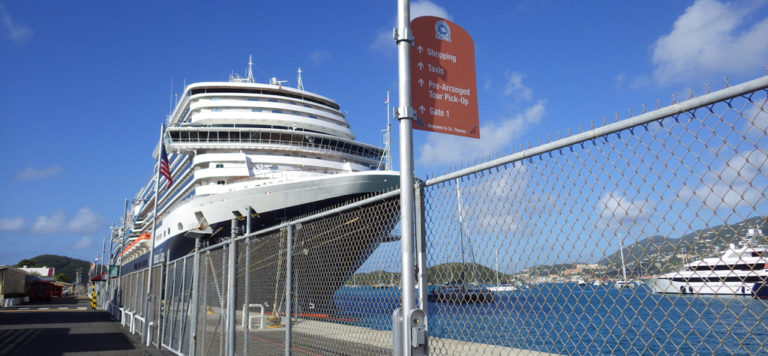
The courts have already ruled that the West Indian Company Limited (WICO) is a public entity. Its sole shareholder is the Public Finance Authority, which itself is an instrumentality of the Government of the Virgin Islands. There is no gray area here. WICO belongs to the people, and with that comes an obligation of transparency, accountability, and adherence to the law.

Yet, in recent weeks, WICO has tried to blur this reality. The Governor has called it private, board members have echoed that view, and only recently did the chair of the board concede that it is public. Such contradictions are not only confusing but deliberate distractions from the real issue, which is WICO’s ongoing refusal to operate in the open.

One of the most glaring problems is WICO’s failure to consistently pay its required Payment in Lieu of Taxes (PILOT). This 700,000 dollar obligation was established in place of corporate income tax. Yet, apart from a single payment in 2019 under then CEO Clifford Graham, WICO has ignored this requirement for years. If the company believes the amount is too steep due to declining revenues or shortfalls in its operations, then it should formally request an adjustment. What it cannot do is unilaterally decide to flout the law and pay nothing at all.

Even more troubling is WICO’s budgeting practices. During recent hearings before the Legislature, its interim CEO was unable to provide even the most basic financial details, such as the total amount of passenger fees collected annually. Lawmakers were left in the dark, and rightly so, they demanded WICO return with real answers. Particularly alarming is the budget line called “Other Services and Charges.” This category has become a catch-all that conceals discretionary spending, questionable contracts, and generous stipends to board members. These stipends, which exceed 1,000 dollars per member per meeting and 2,000 dollars for the chair, are paid at a time when Virgin Islanders are struggling with high costs of living, failing infrastructure, and underfunded hospitals and schools.

The Senate must act decisively. WICO should be required to provide a line-by-line accounting of every expense in “Other Services and Charges.” The Legislature should also examine the stipend structure, which is out of touch with the fiscal reality of our territory and offensive to taxpayers. WICO cannot continue to live in the shadows, benefitting from public ownership while behaving like a private club.

For too long, WICO has been allowed to drift, hiding behind contradictions, ignoring its legal obligations, and prioritizing insiders over the community it exists to serve. But the financial moment we face leaves no room for business as usual. Families cannot meet their basic needs. The government is scrambling to balance its books. Every entity tied to public funds must be accountable, and WICO is no exception.

It is time for WICO to finally step into the light, to pay what it owes, to end its culture of discretionary excess, and to operate with the transparency the people deserve. The Legislature must not relent until this is achieved. The shadows where WICO has long operated can no longer be tolerated.

Editor’s Note: Opinion articles do not represent the views of the Virgin Islands Source newsroom and are the sole expressed opinion of the writer. Submissions can be made to visource@gmail.com

VIPD Granted Court Injunction Against Police Union

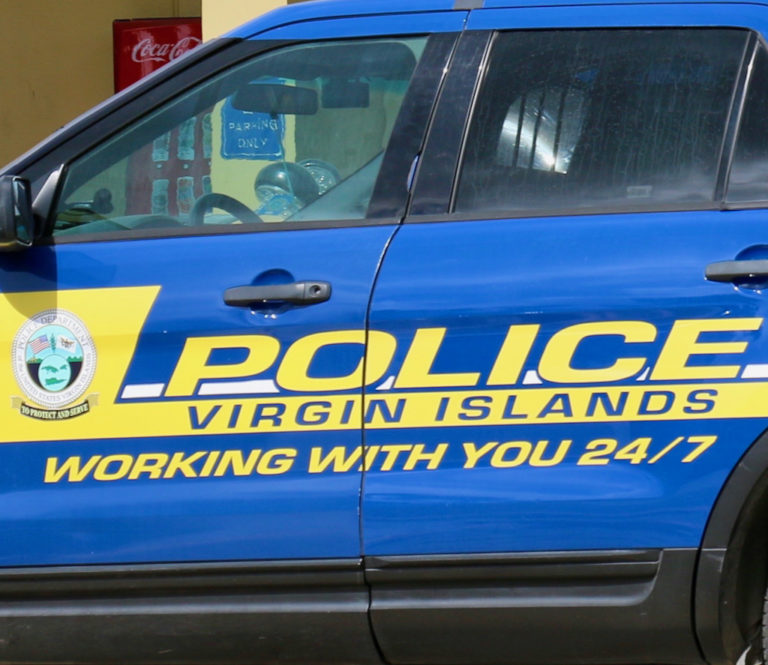
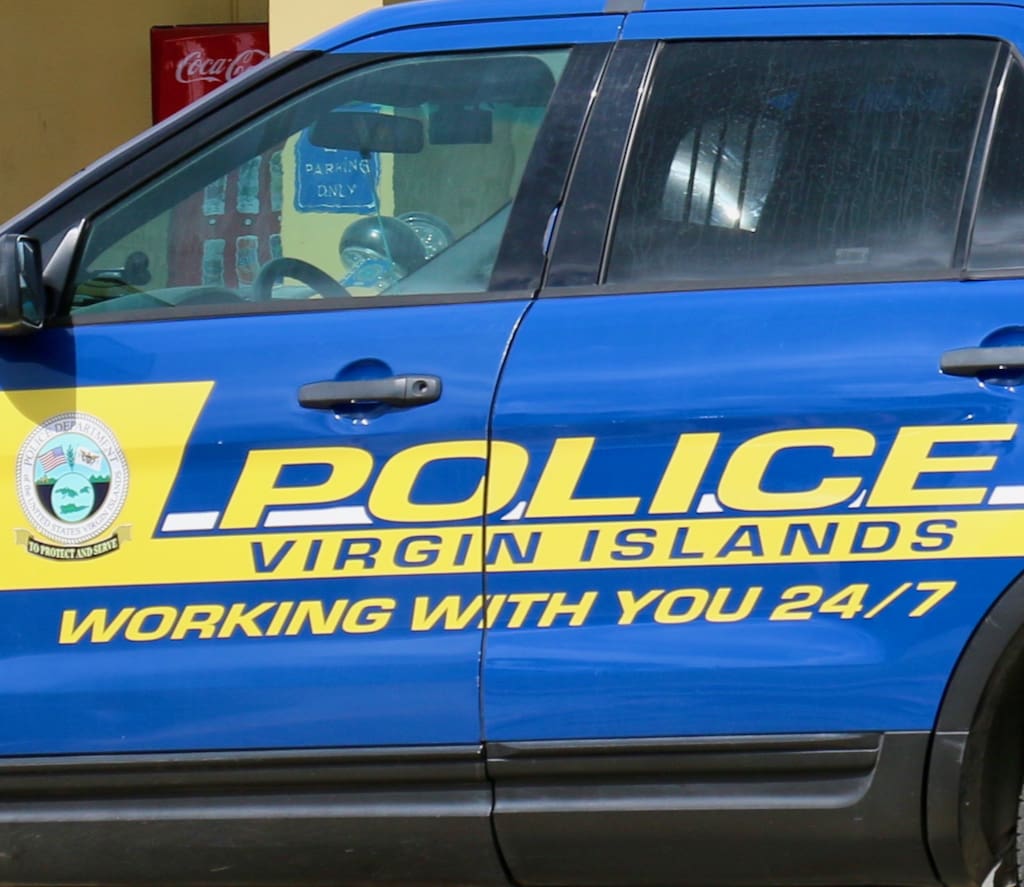
VIPD patrol car. (Linda Morland photo)
The court injunction directs PBA Local 816 to refrain from staging job actions; contract negotiations with the government are still underway. (Source photo by Linda Morland)

Unionized police officers and supervisors in the St. Thomas-St. John district have been warned against participating in any job actions by a judge in Superior Court.

Police Commissioner Mario Brooks sought and won a preliminary injunction against Police Benevolent Association Local 816 after several of its members failed to show up for their scheduled shifts over a two-day period in June.

Superior Court Judge Sigrid Tejo signed the order just before the Labor Day holiday weekend, granting the government’s motion for an injunction. Tejo also directed the clerk of the court to send copies of the Aug. 29 order to attorneys for the government and the union.

In her order, the judge cited the attendance records of June 15 and 16, showing that all but one unionized officer and supervisor failed to report for duty. The injunction followed a temporary restraining order issued by the court in June at the commissioner’s request.

“The Court will grant the Government’s motion for a preliminary injunction because it has shown a reasonable likelihood of succeeding on the merits of its claims and that it will suffer irreparable harm if a preliminary injunction is not granted,” Tejo said.

The judge added that, based on testimony heard at a hearing held Aug. 11 and subsequent filings by the legal teams, the government could prove that those who did not show up for duty were engaged in a job action.

Tejo also said that similar actions could work against the public interest.

Union President Joel Browne Connor, testifying at the hearing, said some of the officers cited were either out on leave or had taken authorized time off. He also pointed to a letter he wrote to union members directing them to report for work as scheduled because that was “their job.”

But when Brooks testified, he pointed to the same letter, and a passage where Connor commended his members for showing “strength, unity, and purpose.”

“You are making a difference … Stand firm, stand united, and be safe,” Browne’s letter said.

The injunction has been issued at a time when the government is in the midst of contract negotiations with Local 816. That contract expired on Sept. 30, 2023.

Former Invest 91L Loses Steam; NHC Expects No Tropical Development This Week

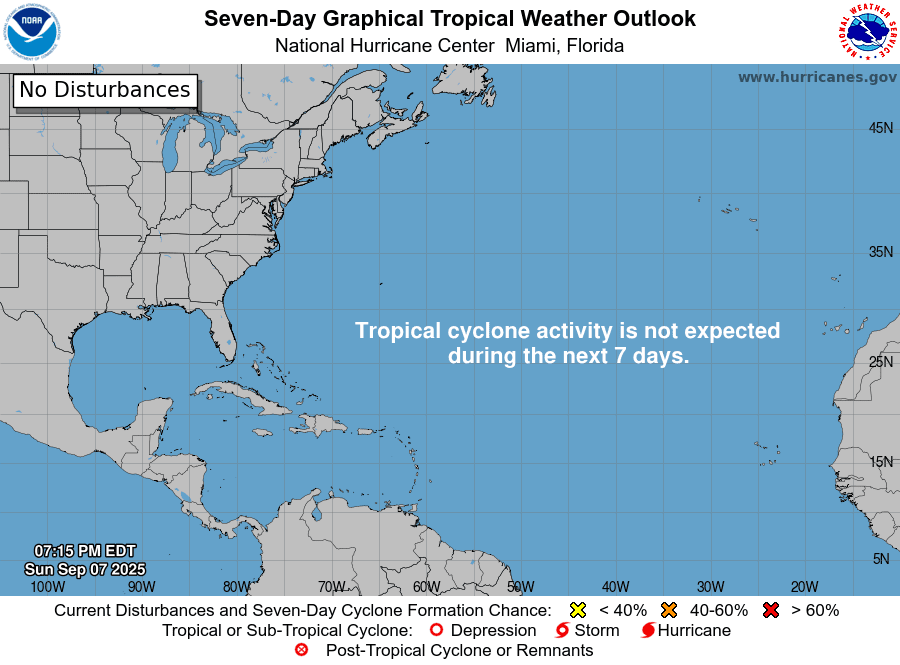
As of Sunday, the National Hurricane Center no longer expects Invest 91L to develop and does not anticipate any tropical cyclone formation in the Atlantic basin over the next seven days. (Photo courtesy NHC)

The National Hurricane Center said Sunday that Invest 91L, once flagged as a disturbance to watch in the Central Atlantic, no longer has any chance of tropical development. The system, weakened by dry air and wind shear, has lost the organization needed to become a tropical cyclone.

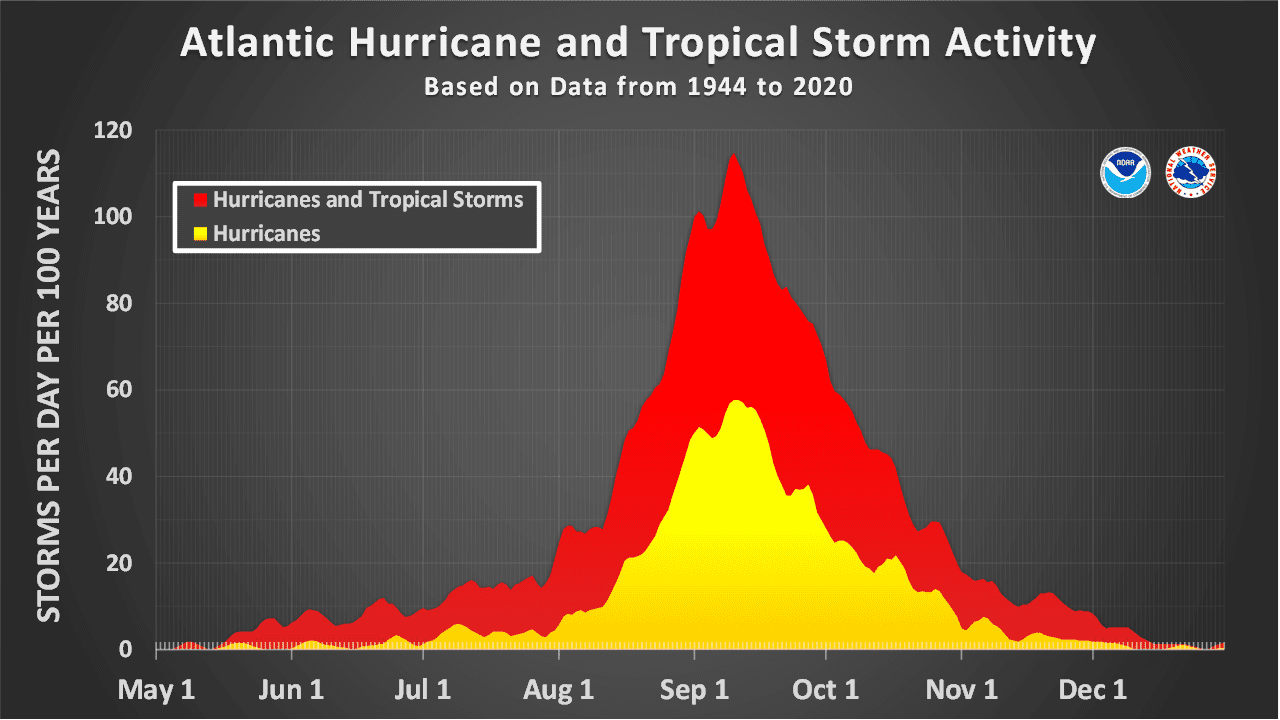
The dissipation of Invest 91L comes as the climatological peak of the Atlantic hurricane season approaches around Sept. 10. Forecasters at the NHC do not anticipate any new systems forming over the next seven days, though additional tropical activity remains possible later in the month.

Why Did Invest 91L Fail to Develop?

Meteorologists say the collapse of Invest 91L is an example of how hostile atmospheric conditions can overwhelm a tropical wave, even when ocean waters are warm enough to support development.

The Source contacted Glorianne M. Rivera Santiago, a meteorologist at the National Weather Service in San Juan, Puerto Rico, to obtain more information about why Invest 91L did not intensify.

Rivera explained that Invest 91L had been fighting a surge of very dry air across the central Atlantic, along with Saharan dust and vertical wind shear, breaking apart thunderstorms before they could cluster around a center. Without sustained convection or a closed circulation, the disturbance was unable to consolidate, and NHC forecasters dropped formation chances to zero on Saturday night.

Local Weather Effects in Puerto Rico and the USVI

While former Invest 91L is not expected to become a cyclone, the tropical wave is still producing some disorganized thunderstorms as it moves toward the Lesser Antilles. Rivera told the Source that the NWS expects the U.S. Virgin Islands and Puerto Rico to receive some precipitation from the system during the middle part of the week.

Rivera noted that as of Sunday, the NWS does not have an exact estimate of how much rainfall is anticipated. However, the U.S. Virgin Islands could receive about one to two inches of precipitation between Wednesday and Friday.

In addition to the potential for rainfall and thunderstorms associated with the remnants of Invest 91L, Rivera reported that very warm temperatures will continue across the area.

Rivera said that the region is forecast to receive two plumes of Saharan dust in the coming days. The first will arrive Monday and linger through midweek, around the time the remnants of Invest 91L are expected to pass across the local islands. A second round of dust is anticipated by the end of the week and could persist into next weekend.

The NWS also noted that the risk of dangerous rip currents will remain low through Tuesday but could increase to a moderate risk by Wednesday, particularly across St. Croix. Beachgoers and boaters are urged to use caution, as gusty winds may create choppy seas, and isolated thunderstorms with lightning could develop over the coastal waters.

Tropical Development Expected Throughout September

While the NHC expects another brief period of relative inactivity across the Atlantic basin, tropical development is forecast to ramp up throughout September.

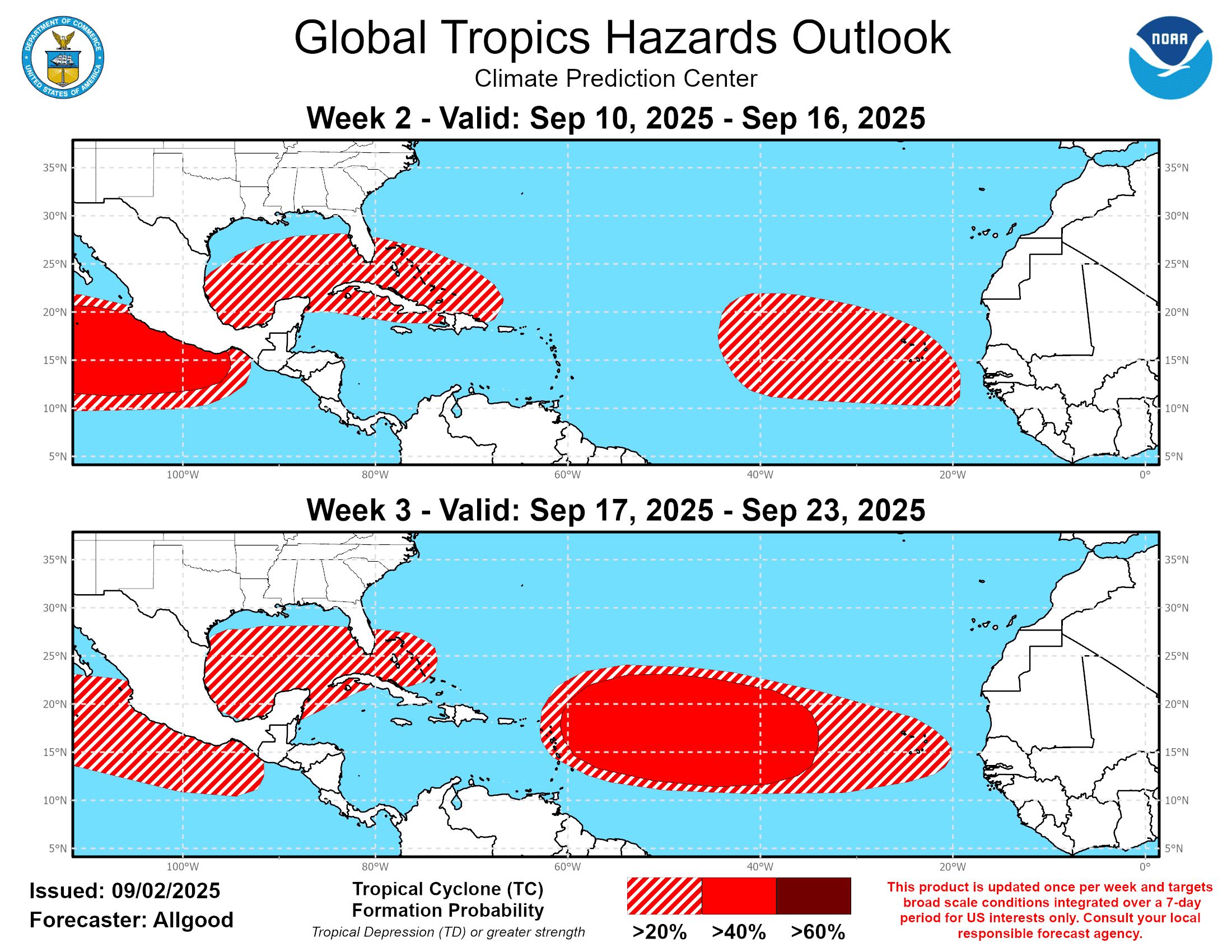
According to a Global Tropics Hazards Outlook released on Tuesday, Sept. 2, there will be an elevated chance of cyclonic development across the Atlantic basin. The forecast tool, which is issued weekly by the National Oceanic and Atmospheric Administration’s Climate Prediction Center, provides insight into potential activity across tropical basins up to three weeks in advance.

NOAA’s Climate Prediction Center released its weekly Global Tropics Hazards Outlook on Tuesday, Sept. 2. NOAA highlighted areas near the Western Caribbean and within the Main Development Region – the zone between the west coast of Africa and the Caribbean – as having increased chances for tropical activity in September. (Photo courtesy NOAA).

In its update last week, NOAA said that portions of the Atlantic basin may experience a 20-40% chance of cyclonic development during the “Week Two” outlook period, which runs from Sept. 10 until Sept. 16. A 40-60% chance of tropical cyclogenesis is forecast across the Main Development Region in the “Week Three” outlook, running from Sept. 17 through 23. Areas across the Western Caribbean Sea and the Gulf are also likely to see an increased chance of development.

The climatological peak of the Atlantic hurricane season occurs around Sept. 10. (Photo courtesy NOAA)

Stay Informed Throughout Hurricane Season

It is crucial to remember that the forecast can change very quickly. USVI residents and visitors are encouraged to continue to remain prepared. Weather information is available from the NWS, the NHC, and NOAA.

Additionally, the local weather forecast for the U.S. Virgin Islands is regularly updated on the Source Weather Page and VI Source YouTube Channel. A weekly Tropical Outlook article from the Source is also published throughout hurricane season to provide in-depth updates. Residents and visitors can find additional weather alerts and preparedness information from the Virgin Islands Territorial Emergency Management Agency.

New Lesson Plans Examine Health Inequality Through Local Leaders

0
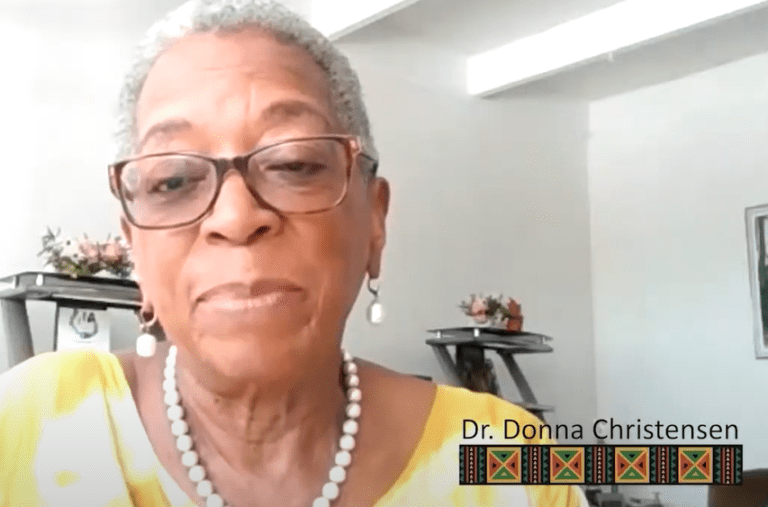
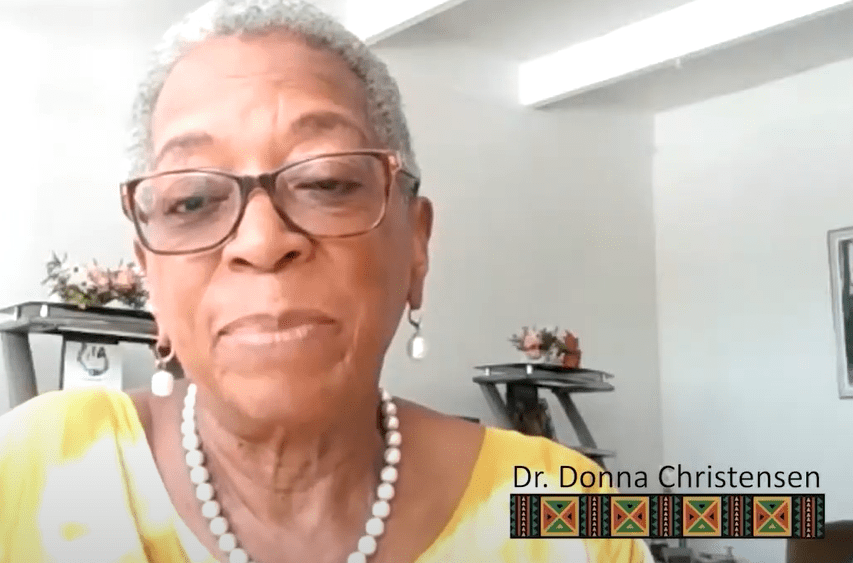
Donna Christensen delivers a lesson on health inequities in the Virgin Islands. (Screenshot from online meeting)

The Division of Virgin Islands Cultural Education and the Legislature of the U.S. Virgin Islands have launched a new set of lesson plans and resources to spark conversations on leadership, justice and health inequality. As part of the rollout, former Delegate to Congress Donna Christensen delivered a lesson on health equity.

Christensen, the first female physician to serve in Congress, the first woman to represent an offshore territory and the first woman delegate from the U.S. Virgin Islands, opened her talk by highlighting the legacy of former Gov. Melvin Evans.

The program, titled “Creating a Progressive Virgin Islands: Learning of Blyden and Pan-Africanism, Health Equity and Melvin Evans, and Imagining a Just Future,” is part of the VIDE GoOpenUSVI platform and offers lesson plans and video vignettes for students and educators. Materials are available online.

According to the GoOpenUSVI website, the module is “designed for educators who wish to engage their students in a dynamic and comprehensive study of Virgin Islands history, leadership, and social justice” and is also a “flexible framework that can be adapted for students in grades 9-12.”

The site notes that “Blyden’s vision for Black people to ‘collect the scattered forces of the race’ and establish a ‘great center’ finds a parallel in Evans’s efforts to build a more equitable and self-reliant healthcare system for the people of the Virgin Islands. The module encourages students to see how a grand philosophical idea can be translated into tangible, community-level change and inspires them to become the next generation of leaders who will shape a just future.”

“He was not only the first delegate from the Virgin Islands of African descent, but he was also the first Black doctor to ever have served in the history of the Congress,” Christensen said of Evans.

Evans’s career was marked by public service and a commitment to health equity. After graduating as valedictorian from Charlotte Amalie High School, he earned undergraduate and medical degrees magna cum laude from Howard University. He went on to serve in the United States Public Health Service and held numerous medical leadership roles in the Virgin Islands, including commissioner of health and physician in charge at the Frederiksted Hospital, now known as Gov. Juan F. Luis Hospital.

As governor and later as the Virgin Islands’ first delegate to Congress from 1979 to 1981, Evans championed legislative reforms to improve education and health care in the territory. According to Christensen, he secured federal funds for public education, introduced measures to address the shortage of doctors and advocated for the construction of new hospitals.

“I firmly believe that the 120,000 people of the U.S. Virgin Islands, in addition to the 1.5 million tourists who visit annually to our islands, must be provided with the adequate medical assistance to which they are entitled,” Evans once told colleagues on the House floor.

Evans’s vision for accessible health care in the territory mirrors Christensen’s, as the Virgin Islands continues to grapple with persistent disparities. “So when I went to Congress, it was 16 years after Dr. Evans left, I was the first female physician ever to serve in the Congress, and I took up the cause of equity,” Christensen said. “Mainly focusing on health as I promised my patients when I left, I would focus on health care.”

Christensen noted that the leading causes of death for Virgin Islanders during Evans’ time — heart disease, cancer, stroke and diabetes — remain the same today. She added that the territory has also experienced a rise in homicides and suicides since then.

“At the very basis of health disparities and health inequities is poverty,” Christensen said, underscoring the connection between economic hardship and health outcomes. The territory’s poverty rate hovers between 20 and 22 percent, according to census data, with 33 percent of children living below the poverty line according to child welfare reports.

She pointed to additional social determinants, including limited access to healthy food and transportation barriers. “Many parts of the country are … food deserts and there are transportation issues as well. So if there’s not a … good grocery store near you, if you don’t have good bus transportation, that’s another social determinant of health,” Christensen said. These barriers, she noted, make it difficult for many Virgin Islanders to access nutritious food and reliable care, perpetuating cycles of poor health and economic hardship.

Still, the territory has made progress in some areas. “Our maternal mortality is pretty much zero. So I’m very proud of that,” Christensen said. The infant mortality rate has also dropped significantly, from 13 deaths per 1,000 live births to 5.8, lower than the national average.

While poverty and access remain major challenges, Christensen said the roots of health inequities run deeper. She pointed to systemic racism as a fundamental force shaping outcomes in the Virgin Islands.

“In the United States, and to some extent here as well, the systems that create these social determinants are really based on racist policies that have created systems and institutions that perpetuate them,” she said, explaining how they affect everything from educational funding to health care access.

The effects, she added, are ongoing. “There is bias against people who are Black, people who speak a different language, who are foreign,” she said, describing how discrimination can lead to unequal treatment in medical settings.

Christensen emphasized that addressing disparities requires confronting the systemic racism that underpins them. “What we need to really do is remove all barriers to access to health care, which is quite an awesome task,” she said. “It means that we have to look at all of those social determinants and remove those that are impairing our ability to be healthy, and that’s when we’ll get to justice.”

She closed by encouraging the community to remain engaged. “I’m willing to continue this conversation because I know this has just been a quick overview,” Christensen said. “But I hope it has whetted your appetite to really look around and see what you think needs to be fixed in our territory — to make people more healthy, and to be well, and to have a high quality of life.”

Christiansted’s Historic Quin House For Sale

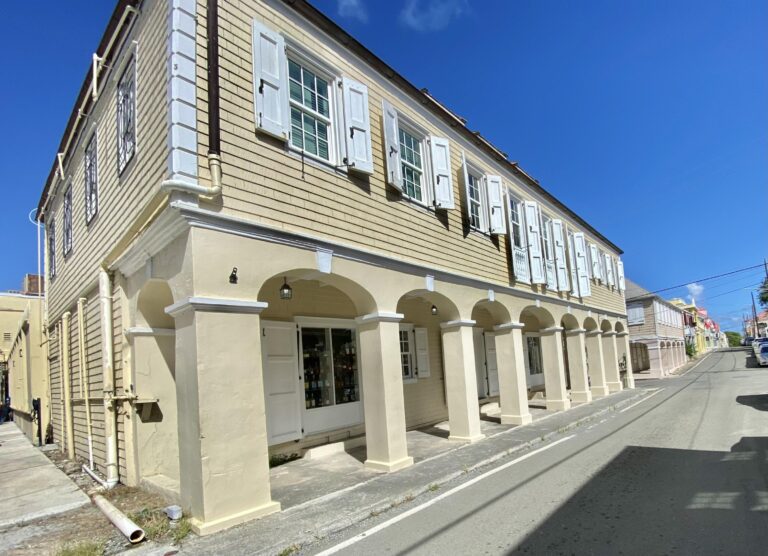
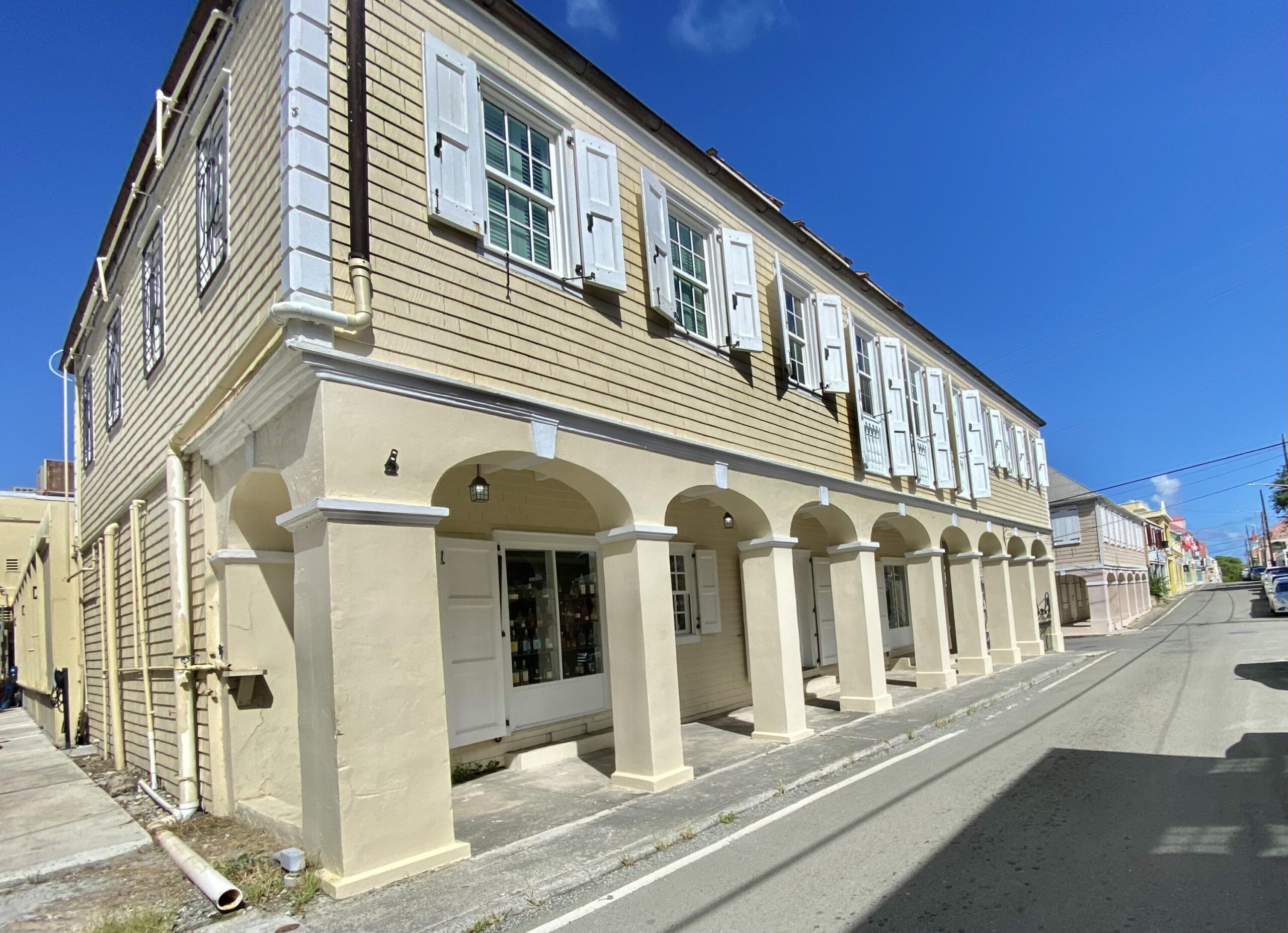
St. Croix’s historic Quin House is for sale. (Photo courtesy Coldwell Banker U.S. Virgin Islands)

A young Alexander Hamilton would not have known the building on the corner of Company Street and King Cross Street as the Quin House, but the boy and his mother almost certainly knew the place well. More than 261 years after its construction, Christiansted’s historic landmark is for sale.

The three-story stone-and-wood structure first appeared on tax records in 1764 but may have been built by Capt. John Hart in 1762 or earlier. Owners of the building from 1769 forward included Danish and Dutch merchants, clerks, lawyers, and government officials.

In 1782, Jean and Nicholas Pissaro, or Piscaro, rented the house at 51 Company Street. Their exact connection to St. Thomas-born Camille Pissarro is not clear, but they are likely relatives, historian George F. Tyson postulated in a 1996 report on the property for the St. Croix Landmarks Society.

In 1891, author and St. Croix Avis publisher John T. Quin purchased the house that now has his name. Two more generations of Quins would own the property into the 1950s.

The Quin House’s glory days are far from over, according to realtors who have the property on the market for $1.925 million. New owners would inherit renters that include law offices and a popular restaurant — and the potential for much more.

Zoned B-1, the Quin House has a 2,000-square-foot enclosed courtyard with 765 square feet of space for a restaurant kitchen, bar area, and two half baths. The building has nearly 3,000 square feet of indoor space on the first floor and 2,275 square feet on the second floor.

A 1,000-square-foot third-floor apartment overlooks Christiansted and its harbor from three dormers and a rooftop deck. The two-bedroom, two-bathroom condo — cooled by split-unit air conditioning units — could be a lucrative vacation rental.

Five office spaces on the second floor could be changed into one large space by opening existing doors. The two half baths on the second floor, which listing agents suggest could also be converted into a large apartment, have central air conditioning.

The corner property has multiple access points from the arcades along Company Street and King Cross Street. Listing agents suggest renting to a boutique, restaurant, wine bar, coffee shop, art gallery, or converting the space into a boutique hotel.

The nearly 7,000 square foot building has multiple entrances, one water meter, and five electrical meters — two for the second-level office space. The interior retains classic architectural features, including historic Danish brick. The gutters are copper and two of the three levels have large wooden hurricane shutters. The building has a cistern and an untested well.

Listing agents claim the historic property is in pristine condition — pretty good for a house built more than a dozen years before the American Revolution and a century before the American Civil War.

Virtue of the Week — Peacefulness

Virtue of the Week — Peacefulness

Virtue of the Week focuses on building peaceful and caring communities through understanding and fostering the practice of virtues. The Source supports the Virtues Project and will publish one virtue developed by the project each week.


Peacefulness

Peacefulness is inner calm and tranquility. It is a sense of harmony with the universe. Inner peace comes from quiet reflection. We release the past and let anxiety go. We keep a graceful pace, not allowing ourselves to be rushed or overwhelmed. We do not give in to anger. We resolve conflict in a just and gentle way. We choose the unity of peace over the fragmentation of fear. Peace in the world begins with peace in our lives.

Quote: “Nobody can bring you peace but yourself.” —Ralph Waldo Emerson

The Practice of Peacefulness

I embrace tranquility.

I am accepting of differences.

I act in faith, not fear.

I move calmly without rush or hurry.

I choose justice instead of anger.

I choose unity over divisiveness.

Questions for Discussion

  • What does inner peace look like to you?
  • How can peacefulness help us in our social justice work?
  • What is a graceful pace in our social justice work?
  • What fears do we need to release in our community?

Sign up to receive the Virtue of the Week by email!

Visit https://cfvi.net/Virtues-Project, and scroll to the end of the page to fill out the form.

Virtue of the Week is provided by the Community Foundation of the Virgin Islands (CFVI) in partnership with the VI Source and Virtues Matter.

About the Community Foundation of the Virgin Islands

Since 1990, CFVI has been a catalyst for positive change in the territory through initiatives committed to youth, learning, family support and the environment. With a professional staff and a volunteer Board of Directors composed of community leaders, CFVI is a trusted advocate and supporter of programs that ensure opportunity and sustainability for current and future generations. CFVI is a registered non-profit organization entirely supported by individual donors, grants, trusts, corporate donations and estate planning. For more information, visit cfvi.net.

About Virtues Matter

Virtues Matter was started by a passionate wife-husband team of social entrepreneurs seeking to positively uplift as many lives as possible. We aim to inspire and empower, to build capacity, strengthen relationships, and help everyone lead lives of passion and purpose.

Virtues Matter believes in a world where people are committed to kindness and respect, strive to be their best, and live with hope, courage, and in unity. We built the Virtues Cards mobile app, an interactive personal and team development tool, to help people identify and develop key virtues skills. We also offer dynamic workshops, online training, and customized programs to help people cultivate these positive qualities of character. To learn more, visit virtuesmatter.com.

To learn more about the Virtues Project, visit virtuesproject.com.

Family Resource Center Joins the Virgin Islands in Mourning Lives Lost to Domestic Violence

0

The Family Resource Center, Inc.’s board, staff, and volunteers express our deepest condolences and collective grief for the lives lost in the past week due to domestic violence. We join the entire Virgin Islands community in mourning and we genuinely hope for a more healed future for our people.

(Submitted photo)

Despite our best efforts to educate, shelter, and prevent, incidents of domestic violence and abuse continue to remain a persistent and devastating threat to our people and culture. More and more, we are hearing stories of victims, children, and elders being harmed by those closest to them, in their own homes and ‘safe spaces’. Additionally, the Virgin Islands continues to have one of the highest gun-related homicide rates in the world (per capita). A small subset of our population is spreading violence throughout our society like poison and we must bring an end to this, immediately.

These victims of violence are not just numbers and data points. They are daughters, sons, friends, neighbors, loved ones, parents… They are humans worthy of dignity, happiness, respect, and life. Their absence leaves a void in our small community that cannot be filled. This sadness is a painful reminder that violence is not a distant problem, but it is up close and affecting us all. At what point, do we say “enough is enough”? How many more lives must be lost to senseless violence before we demand a cultural shift to protect our most vulnerable?

We honor these victims by refusing to look away and by refusing to allow our people to be desensitized to the alarming rates violence occurring in the Virgin Islands. We remain advocates. We remain powerful. We remain steadfast.

“Our community is grieving the heartbreaking loss of an individual affected by domestic violence. I extend my heartfelt condolences to the family and friends during this incredibly challenging time. This tragic incident highlights the urgent need for us to enhance our commitment to combat domestic violence. We are steadfast in our mission to ensure that every person in our community has access to the necessary support and protection they deserve. We must take immediate and effective steps to prevent such tragedies from happening in the future. Together, let us prioritize community education to raise awareness and enhance safety for all.” – Anya Stuart, Executive Director of FRC. 

At its core, domestic violence is about control and power over another person. It comes in many forms including physical, emotional, sexual, and financial abuse and it can happen to anyone. As part of our comprehensive services, FRC provides:

Men Terminating Violence Classes (MTV): a program designed for men who have previously used violence on others and is focused on teaching accountability and emotional regulation skills to break the cycle of abuse.

Parenting & Youth Classes: a program designed to support parents who have experienced domestic violence and children who have witnessed or survived abuse by helping families heal and strengthen healthy relationships.

Emergency Shelter & Transitional Housing: a program designed to provide safe spaces for survivors, including assistance with relocating off-island when necessary for safety while providing case management and counseling services.

While today, and many days, we mourn; we must also act. Preventing and addressing domestic violence is possible, but it requires community-wide commitment. FRC urges the Virgin Islands community to:

Encourage loved ones: If someone you know is experiencing abuse, guide them to FRC for confidential support and safety planning. Our number is 340-776-3966.

Donate at https://www.frcusvi.org/: Monetary support is urgently needed to sustain sheltering, transitional housing, MTV intervention classes, and parenting/youth programs.

Remember: Domestic violence thrives in silence. By speaking out, we protect one another. If you see something, please say something.

Together, we can honor the lives lost and work toward a Virgin Islands free from violence.

For Help or to Donate:

Contact Family Resource Center, Inc. at (340) 776-3966 or visit https://www.frcusvi.org/ to donate directly.

36th Legislature of the Virgin Islands Calendar Sept. 8-19

0

MONDAY, SEPTEMBER 08, 2025

Committee on Rules and Judiciary

10:00 A.M.

Frits E. Lawaetz Legislative Conference Room

The 36th Legislature of the Virgin Islands Committee on Rules and Judiciary has scheduled a hearing for 10 A.M. on Monday, September 08, 2025, in the Frits E. Lawaetz Legislative Conference Room on St. Croix. The purpose of the meeting is to receive testimony and consider the following legislative measures: 

BLOCK I 10:00 A.M. – 11:30 A.M.

Mr. Roy Moorehead, Governor’s Nominee, Board of Parole 

Mr. Damian M. Cartwright, Governor’s Nominee, Virgin Islands Board of Land Use Appeals

BLOCK II 11:30 A.M. – 1:00 P.M.

Mr. Xavier A. Acevedo, Governor’s Nominee, Virgin Islands Water and Power Authority Governing Board 

Dr. Safiya George, Governor’s Nominee, Virgin Islands Government Hospitals and Health 

Facilities Corporation Board of Directors

LUNCH 1:00 P.M. – 2:00 P.M.

BLOCK III 2:00 P.M. – 3:30 P.M. 

Bill No. 36-0101 An act to provide for continuity of operations in the Superior Court of the Virgin Islands in the event of prolonged judicial vacancies. 

Invited Testifiers:

Ms. Regina deChabert Petersen, Administrator of the Courts, Judicial Branch of the Virgin Islands 

Mr. J. Russel B. Pate, Esq., President, Virgin Islands Bar Association 

Honorable Gordon C. Rhea, Esq., Attorney General, Department of Justice 

Ms. Julie S. Todman, Esq., Chief Territorial Public Defender, V.I. Office of the Territorial Public Defender

BLOCK IV 3:30 P.M. – 5:00 P.M.

Bill No. 36-0112 An act amending title 4 Virgin Islands Code, chapter 31, section 516 increasing the filing fee for general civil complaints in the Superior Court of the Virgin Islands and title 5 Virgin Islands Code, chapter 41, section 426 allowing for the collection of nine percent prejudgment interest when an offer of judgment is filed with the court. 

Invited Testifiers:

Ms. Regina deChabert Petersen, Administrator of the Courts, Judicial Branch of the Virgin Islands 

Mr. J. Russel B. Pate, Esq., President, Virgin Islands Bar Association 

WEDNESDAY, SEPTEMBER 10, 2025 

Committee on Housing, Transportation and Telecommunications

10:00 A.M.

Earle B. Ottley Legislative Hall

The Committee on Housing, Transportation & Telecommunications has scheduled a meeting for Wednesday, September 10, 2025, in the Earle B. Ottley Legislative Hall on St. Thomas.

VIHA Operations, Challenges, and Opportunities 

The Committee will receive testimony on the Virgin Islands Housing Authority’s operations, challenges, and opportunities. Areas of focus include agency updates on operations and maintenance issues, the Housing Choice Voucher Program, and progress in community rehabilitation. Testimony will also address the Williams Delight sale and related funding assistance, as well as the impact of federal-level policy changes on VIHA’s funding and overall operations. 

Invited Testifier:

Dwayne Alexander, Executive Director, Virgin Islands Housing Authority 

BLOCK II 12:30 P.M. 

Homeownership and Housing Development Programs

The Committee will also hear testimony on the status of homeownership and housing development programs. This includes updates on funding and progress of current initiatives, the availability and utilization of funds for affordable housing, and the effects of federal policy changes on funding streams, operations, and programs.

Invited Testifiers:

Eugene Jones, Executive Director, Virgin Islands Housing Finance Authority 

Adrienne Williams-Octalien, Executive Director, Office of Disaster Recovery 

Wayne L. Biggs, Chief Executive Officer, VI Economic Development Authority


THURSDAY, SEPTEMBER 11, 2025

Committee on Rules and Judiciary 

10:00 A.M.

Earle B. Ottley Legislative Hall


FRIDAY, SEPTEMBER 12, 2025 

Committee on Disaster Recovery, Infrastructure and Planning

10:00 A.M.

Frits E. Lawaetz Legislative Conference Room 

The Committee on Housing, Transportation & Telecommunications has scheduled a meeting for Friday, September 12, 2025, in the Frits E. Lawaetz Legislative Conference Room. 

Bill No. 36-0070 An Act amending title 28 Virgin Islands Code, chapter 19 by adding section 423 relating to failure to use property acquired through the exercise of the power of eminent domain. 

Bill No. 36-0110 An Act amending title 20 Virgin Islands Code, part I, chapter 1 to require a permit from the Virgin Islands Department of Public Works before the excavation of any public roadway. 

Invited Testifiers: 

Honorable Derek Gabriel, Commissioner, Department of Public Works 

Julio Rhymer, Sr., Director, Office of Management and Budget 

Chris George, Administrator, GIS Division, Office of the Lieutenant Governor 

BLOCK II 

The Committee will receive testimony from the Office of Disaster Recovery regarding key disaster recovery efforts currently underway across the Territory. The discussion will focus on contractor performance, newly awarded projects, and the implementation and oversight of major recovery programs, with special attention to public concerns, transparency, and accountability. 

1. Contractor Performance Review (Territory) 

• Receive updates on the performance of contractors engaged in disaster recovery projects and whether construction projects are progressing on schedule and within budget. 

• Discuss project oversight mechanisms, and local workforce participation. 

2. Testimony on $961M in New Disaster Recovery Awards (St. Croix) 

• Receive testimony regarding the recent announcement of over $961 million in disaster recovery project awards. 

• Discuss major initiatives including: 

• Rebuild USVI Education Bundle 

• North Central St. Croix Horizontal Infrastructure Bundle 

• Selection process, contractor qualifications, and design-build approaches. 

3. Oversight of the EnVision Tomorrow Program 

• Receive updates on progress of homes and address public concerns and media reports highlighting substandard or unsafe repairs under the EnVision Tomorrow Program. 

• Review issues raised by program participants and current oversight mechanisms for contractors. 

• Discuss actions to improve accountability, protect homeowners, and restore public trust. 

Invited Testifier: 

 Adrienne L. Williams-Octalien, Director, Office of Disaster Recovery 

TUESDAY, SEPTEMBER 16, 2025 

Committee on Budget, Appropriations and Finance

10:00 A.M.

Earle B. Ottley Legislative Hall

WEDNESDAY, SEPTEMBER 17, 2025

Committee of the Whole/Regular Session

10:00 A.M.

Earle B. Ottley Legislative Hall

FRIDAY, SEPTEMBER 19, 2025

Committee on Culture, Youth, Aging, Sports and Parks

10:00 A.M.

Earle B. Ottley Legislative Hall

The Committee on Culture, Youth, Aging, Sports, and Parks will convene a legislative hearing to examine the operational oversight, progress, and challenges of recreational facilities and capital improvement projects of the Department of Sports, Parks, and Recreation across the Virgin Islands. The hearing will also include a legislative review of Bill No. 36-0099 addressing elder abuse response systems and a special policy discussion regarding CMS (Centers for Medicare & Medicaid Services) certification for the Virgin Islands’ aging and senior care facilities 

BLOCK I 10:00 A.M. – 12:30 P.M.

Department of Sports, Parks, and Recreation – Territorial Operations Review

Invited Testifier: 

Vincent Roberts, Commissioner Designee, Department of Sports, Parks, and Recreation

LUNCH 12:30 P.M. – 1:00 P.M. 

BLOCK II 1:30 P.M. – 2:30 P.M. 

Bill No. 36-0099 An act amending title 34 Virgin Islands Code, chapter 15 expanding the Elder and Dependent 

Invited Testifiers:

Honorable Averil George, Commissioner, Department of Human Services 

Gordon Rhea, Esq., Attorney General of the Virgin Islands, Department of Justice

Troy deChabert-Schuster, State Director, AARP Virgin Islands 

Angus Drigo, Executive Director, Disability Rights Center Virgin Islands 

BLOCK III 2:30 P.M. – 5:00 P.M. 

Policy Discussion – CMS Certification for Senior Living Facilities

The Committee will engage in a policy discussion on Aging focused on the current status and pathway toward achieving CMS (Centers for Medicare & Medicaid Services) certification for senior living and long-term care facilities in the U.S. Virgin Islands. CMS certification is essential for facilities seeking to provide care reimbursable under Medicare and Medicaid, and ensures compliance with federal standards for quality, safety, and patient rights. 

The Committee will examine:

1. Where are we now? – Assessing the current certification status of senior living facilities. 

2. What’s required? – Understanding CMS’s Conditions of Participation, operational manuals, and compliance criteria. 

3. What’s next? – Outlining a strategic path forward for certification, facility upgrades, and access to CMS federal funding. 

Invited Testifiers: 

Honorable Averil George, Commissioner, Department of Human Services 

Troy deChabert-Schuster, State Director, AARP Virgin Islands

Honorable Justa Encarnacion, Commissioner, Department of Health 

Junia John-Straker, CEO, Lutheran Social Services of Virgin Islands 

Double Header Wins USVI Billfish Shootout

0

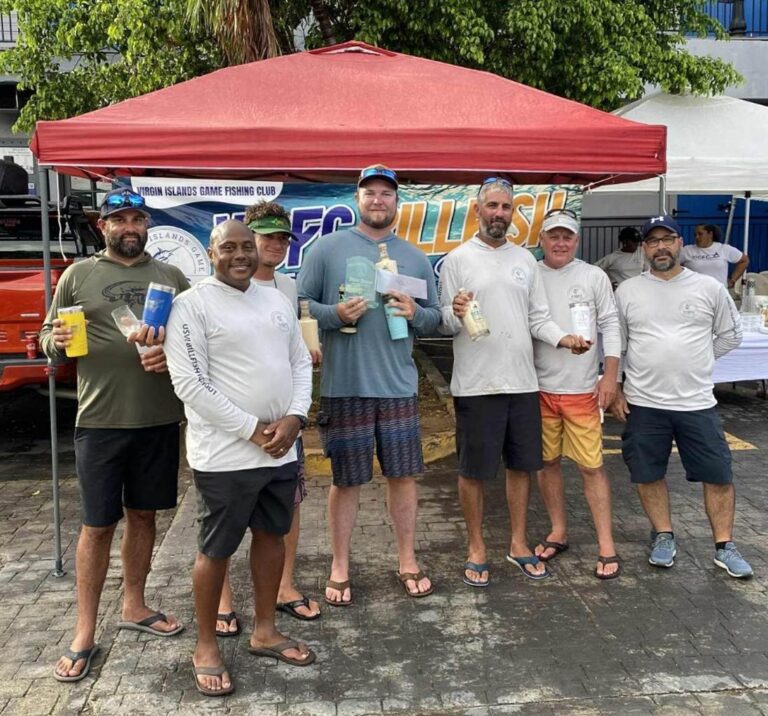
The catch and release of a blue marlin early Saturday morning earned the team aboard the USVI-based charter boat, Double Header, the top prize of $5000 in the inaugural and first annual Virgin Islands Game Fishing Club’s USVI Billfish Shootout on Sept. 6.

(Left to right) Mike Keller, Kelvin Bailey, Jr., Nathan Gatcliffe, Eli James, Glen Charlett, Kevin Haddox, and Theodore ‘TP’ Danet. (Photo by Bareuther)

Local teams from St. Thomas and St. John competed in this small boat tournament focused on one of the most prized sportfishing species – billfish. Double Header reeled in and released their blue marlin on the South Drop. Later, the team aboard Cutting Edge released a sailfish on the North Drop. Results of this U.S. Virgin Islands waters-only tournament prove the fertility of the territory’s fishing grounds.

“We wanted to compete in this tournament since there hasn’t been a billfish tournament for a while. Plus, the last few weeks we’ve seen marlin on every charter trip we’ve taken out,” says Capt. Glen Charlett, who helmed the 37’ Calypso, Double Header. “It was around 8 a.m. when we hooked up a doubleheader. One of our anglers, Eli James, was able to get one of them in. We were hoping for another.”

It was mid-afternoon when the 42’ Freeman, Cutting Edge, released their sailfish.

“We headed north and spent most of the morning and early afternoon trolling in and out of the deep water and along the edge,” says Kevin Haddox, who shared captaining duties with Colin Butler. “The sailfish came up at 2:25 p.m. and angler, Ben Stewart, released it six minutes later. If we caught a second one, we would have won on total billfish by count.”

Talk among teams back at the docks centered on the number of billfish seen in U.S. Virgin Islands waters. Case in point, Captain Joshua Bourg, on his chartered 42’ Liberty, Just Fish, recalled an annual total of 33 blue marlin caught and released on the South Drop so far for the year.

The Inaugural USVI Billfish Shootout marked the first time the Virgin Islands Game Fishing Club held a multi-species tournament, a growing trend, where prize-eligible fish were billfish and gamefish: mahi-mahi, yellow-fin tuna, and wahoo.

“The Club asked participants to target billfish specifically,” says Kelvin Bailey, Jr., president of the Club’s Board of Directors. “We put this tournament together to particularly bring attention to the number of billfish in U.S. Virgin Islands waters.”

An Awards Ceremony at IGY’s American Yacht Harbor Marina with pizza, beverages, and lots of camaraderie created the perfect end to this first annual event. The Virgin Islands Game Fishing Club, founded in 1963, boasts a long and strong history of billfishing achievements.

The Virgin Islands Game Fishing Club appreciates support from IGY’s American Yacht Harbor Marina, Lattes in Paradise, Cape Fear Distillery, and the U.S. Virgin Islands Department of Natural Resources’ Division of Fish & Wildlife.

Next up, the Club will host its Kids’ Fishing Tournament on October 4 and its Wahoo Windup on November 2, 2025.


Jobs - Click Here