


Check out our weekly weather forecast with Jesse Daley, covering Sunday, Sept. 7, through Saturday, Sept. 13. Our YouTube playlist is updated every week, AND check out Jesse’s daily weather updates here.
Check out our weekly weather forecast with Jesse Daley, covering Sunday, Sept. 7, through Saturday, Sept. 13. Our YouTube playlist is updated every week, AND check out Jesse’s daily weather updates here.
Public confidence in the electoral process depends on transparency. So when a Board of Elections committee meeting devolves into confusion over public access, it raises valid concerns — not just about procedure, but about trust.
In the early hours of Sept. 3, the Elections System issued a press release announcing a virtual meeting of the Board’s Grievance and Resolution Committee, scheduled for the evening of Sept. 4. The release, sent on behalf of Committee Chairwoman Harriet Mercer, declared that “in keeping with the Sunshine Act,” all board members, media, and the general public were “invited to attend and to contribute accordingly.” It even included contact information for requesting a Microsoft Teams link to join the meeting.
Then, just hours later — at 4:11 p.m. on Sept. 3 — the notice was rescinded. A new release was sent “on behalf of the Chairman,” stating only that the prior message had been “discontinued.” No explanation. No clarification. No follow-up.
To be fair, the change appears to have been an effort to correct a procedural misstep. As precedent and local law make clear, committee meetings — unlike full board sessions — are not always open to the public. Title 1, Chapter 15, Section 254 of the Virgin Islands Code (the Sunshine Act) applies to legislative committees, but not necessarily to appointed government boards like the Board of Elections. And in most cases, committee meetings that don’t involve formal action or voting aren’t subject to the same notice requirements.
Still, the invitation went out. It cited the law. It created an expectation. That expectation was not met.
The Source reached out early Thursday to confirm access. Reporter Finn Sharpless contacted the Elections System’s Executive Assistant, Richard Wilson, who stated that he would not provide the Teams link. What Wilson refused to say was whether the meeting itself would be public or whether any notes or materials from it would be made available afterward. Instead, he directed the Source to Chairwoman Mercer and Chairman Williams, whom our reporter called and emailed with no response prior to the meeting. Additional calls to the Elections System of the Virgin Islands provided no further clarity; staff simply referred questions back to Wilson, who would not elaborate.
The Source never received the Teams link. Mercer later told the Source that no one outside the Elections System’s board and staff had received that link and that, shortly before the meeting began, it became inaccessible even to internal attendees. Fortunately, she said, a Zoom link had been created earlier in the day by the committee secretary and shared “via multiple platforms.” While this may have included some media who were able to cover the meeting, it did not include the Source.
It wasn’t until just after 5 a.m. on Saturday, Sept. 6, that Mercer responded to the reporter’s original inquiry. In a follow-up message to the publisher sent at 6:01 a.m., she asked to confirm the reporter’s identity, as he had used a personal email address for his inquiry, though clearly identifying himself, whom he worked for, and what information he needed. When the reporter later requested a transcript or notes from the meeting, Mercer replied that she would need to consult with her committee colleagues first, writing:
“Good morning and please pardon me, for this is the very first time I’ve seen this email. Perhaps other than the typical reasons such as delivery delay, these turbulent times of the BOE might definitely be the reason for that. I am not ignoring you. Kindly allow me the opportunity to share this with my executive members of the GRC. We will review it well, before I provide you with an appropriate response asap.”
The Source has made every effort to fairly and accurately cover the work of the Board of Elections. Previous full board meetings have often times been marred by technical difficulties, including poor audio quality during virtual sessions. When these issues have led to errors in our reporting, we have, in good faith, worked with Board members to promptly correct the record — even switching reporters when needed to ensure clearer coverage. And, to really avoid confusion, when there are meetings that are simply too difficult to follow or fully understand, we’ve opted not to publish a story at all — recognizing that doing so might prompt concern from the Board, whose members have, at times, indicated they may withhold access to meetings or make themselves unavailable for comment. Transparency and accuracy go hand in hand, and we remain committed to both.
There’s no need to assume ill intent — in fact, the committee should be credited for its apparent desire to hold its work in the open. But once that invitation is made, public bodies have an obligation to follow through. Silence, delays, or uneven access erode trust in institutions that cannot afford to be opaque.
In a time when election oversight is under intense scrutiny — both nationally and here at home — miscommunications like this are not just inconvenient. They’re damaging. Meetings that involve public business, even when closed, should be accompanied by a clear explanation. If rules are changing or if notice was sent in error, say so. If links are being distributed, make sure the process is consistent — and that reporters aren’t left chasing shadows.
The Board of Elections exists to protect the integrity of the vote. That work deserves to be understood — and when possible, seen.
The man accused of fatally shooting his estranged wife in a St. Thomas hotel room is being held on $2 million bail. Defendant Tizoni Mahoney was initially charged with the murder and assault of Marieni Heredia Tiburcio at the time of his arrest.
Tiburcio’s lifeless body was found in a room at Galleon House on Government Hill Aug. 29. Investigators said the victim had a single gunshot wound to the head.
The couple was married on June 16; since there had been reported incidents of violence between the husband and wife, including a report from Port Authority Police about a woman asking for help after jumping out of a moving car near the Cyril E. King Airport on July 3.
Mahoney turned himself in at the Richard Callwood Police Command later in the day on Aug 29.
At an initial court appearance held after the Labor Day holiday weekend, Superior Court Magistrate Judge Paula Norkadis upheld a premeditated murder charge brought by the V.I. Police Department Investigations Bureau, along with 13 other offenses — all linked to domestic violence.
Norkadis also fashioned conditions for pretrial release if the defendant could post a $1 million bond in cash or property.
So far, there is no record of Mahoney having paid the bond, which means he remains in custody at the Bureau of Corrections.
He is scheduled to appear at an arraignment hearing on Sept. 19.
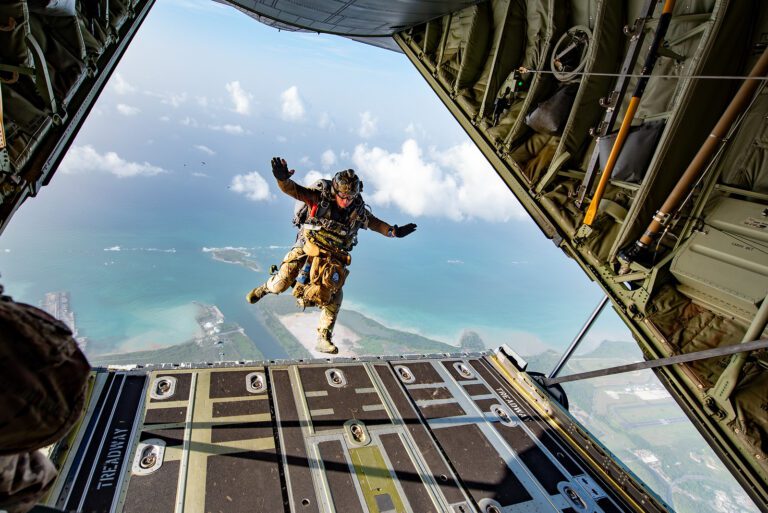
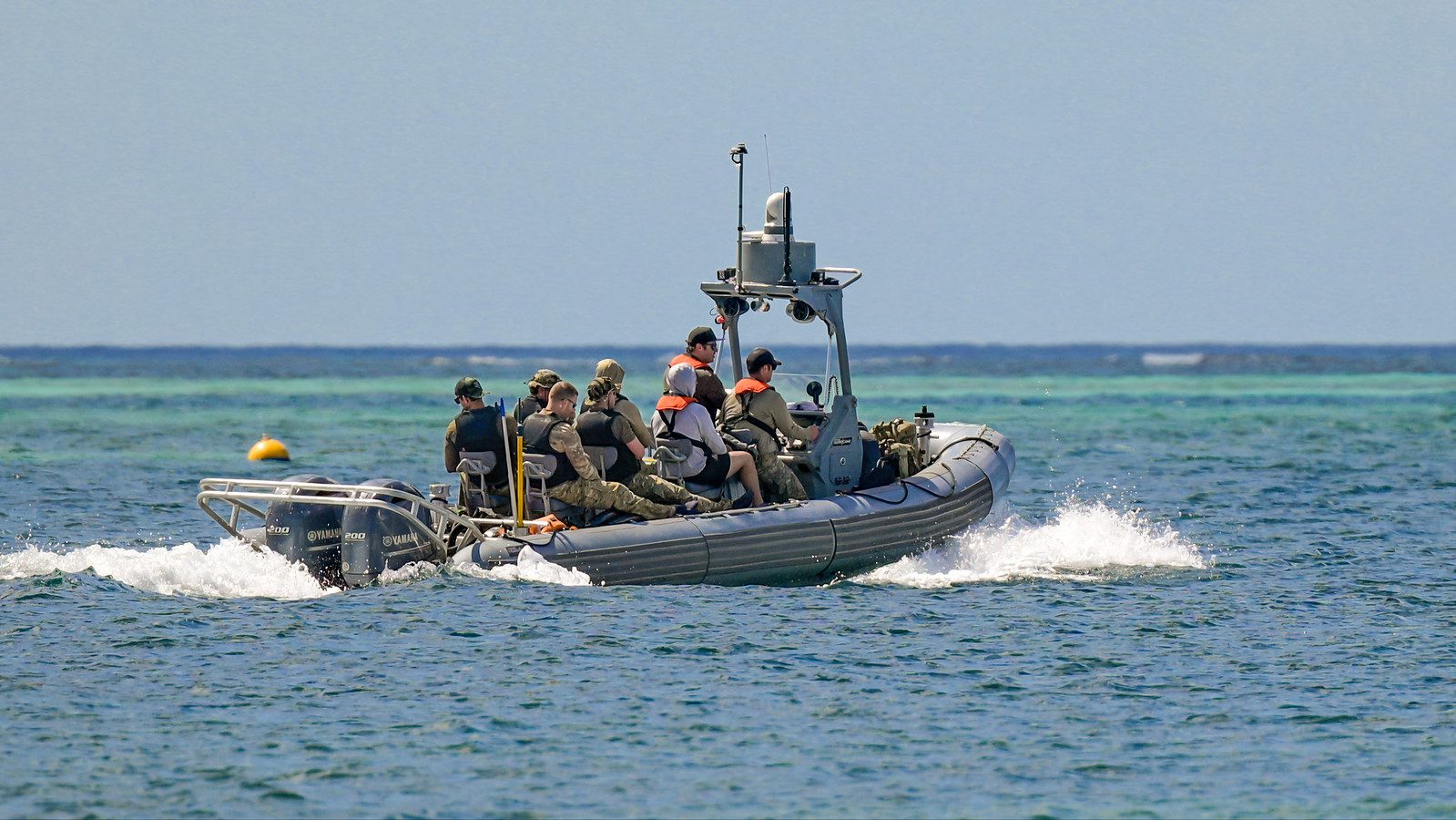
A squadron of special tactics Airmen from the Kentucky Air National Guard wrapped up a grueling five-day training exercise on St. Croix, testing their ability to operate across land, sea and air in a maritime environment while responding to simulated enemy threats, a press release announced.
The training on St. Croix was part of Emerald Warrior 25.2, a large-scale special operations exercise staged in multiple locations by Air Force Special Operations Command. The Kentucky Airmen — including combat controllers, pararescuemen and special reconnaissance troops — conducted missions using both fixed- and rotary-wing aircraft, according to the press release.
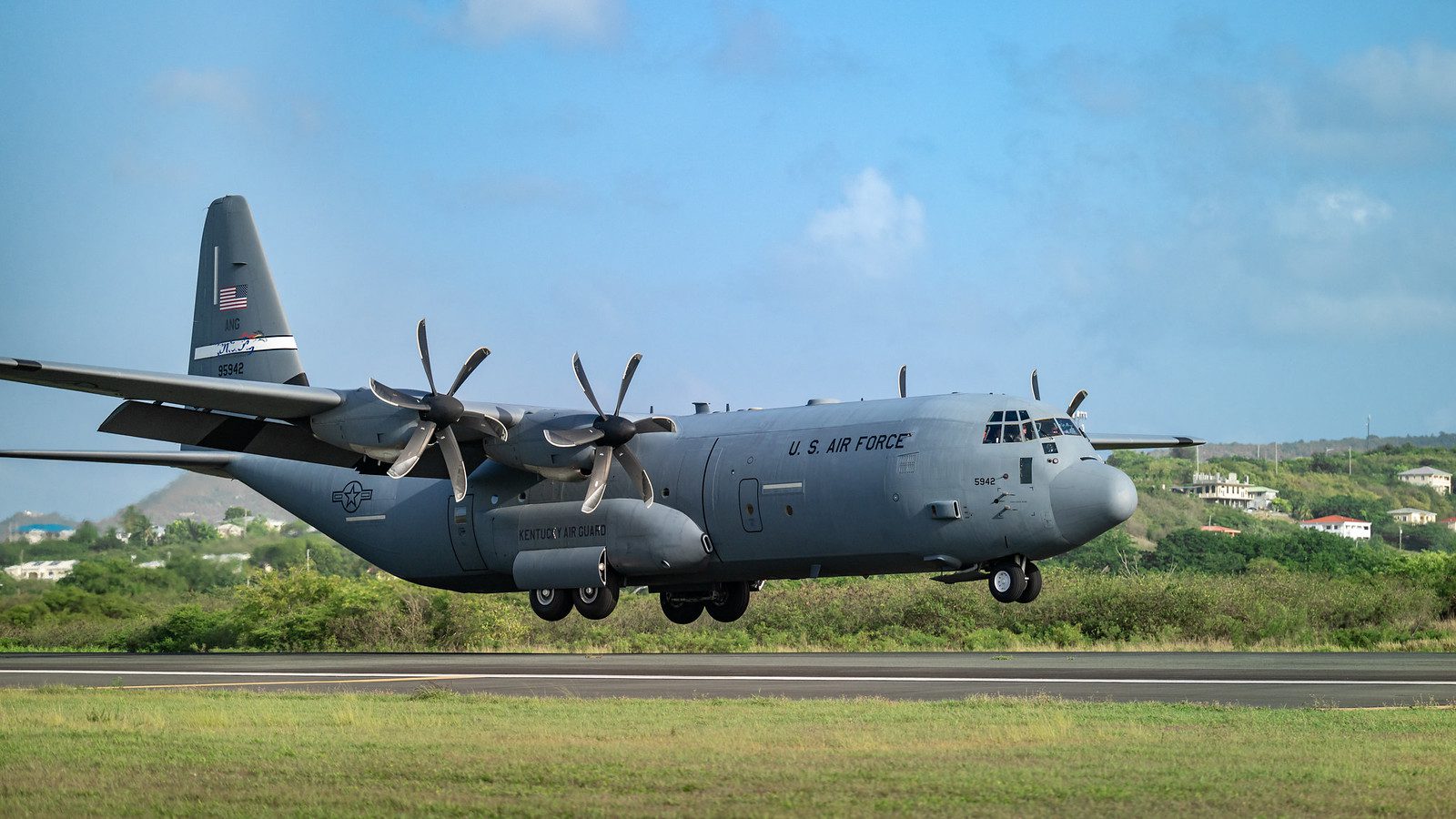
“Our Airmen exercised their unique skillsets to parachute into contested territory, establish airfield operations, control aircraft, respond to search-and-rescue scenarios, manage notional medical evacuations, and conduct reconnaissance and targeting operations on a very tight timeline,” said the special tactics officer who served as lead planner.
He noted that St. Croix and its neighboring islands offered an ideal training environment. “Operations in the Caribbean simulate many of the geographical features our forces may encounter when deployed around the globe. Having to overcome the kinds of challenges presented here will make us a more lethal and effective force the next time we conduct littoral operations anywhere in the world.”
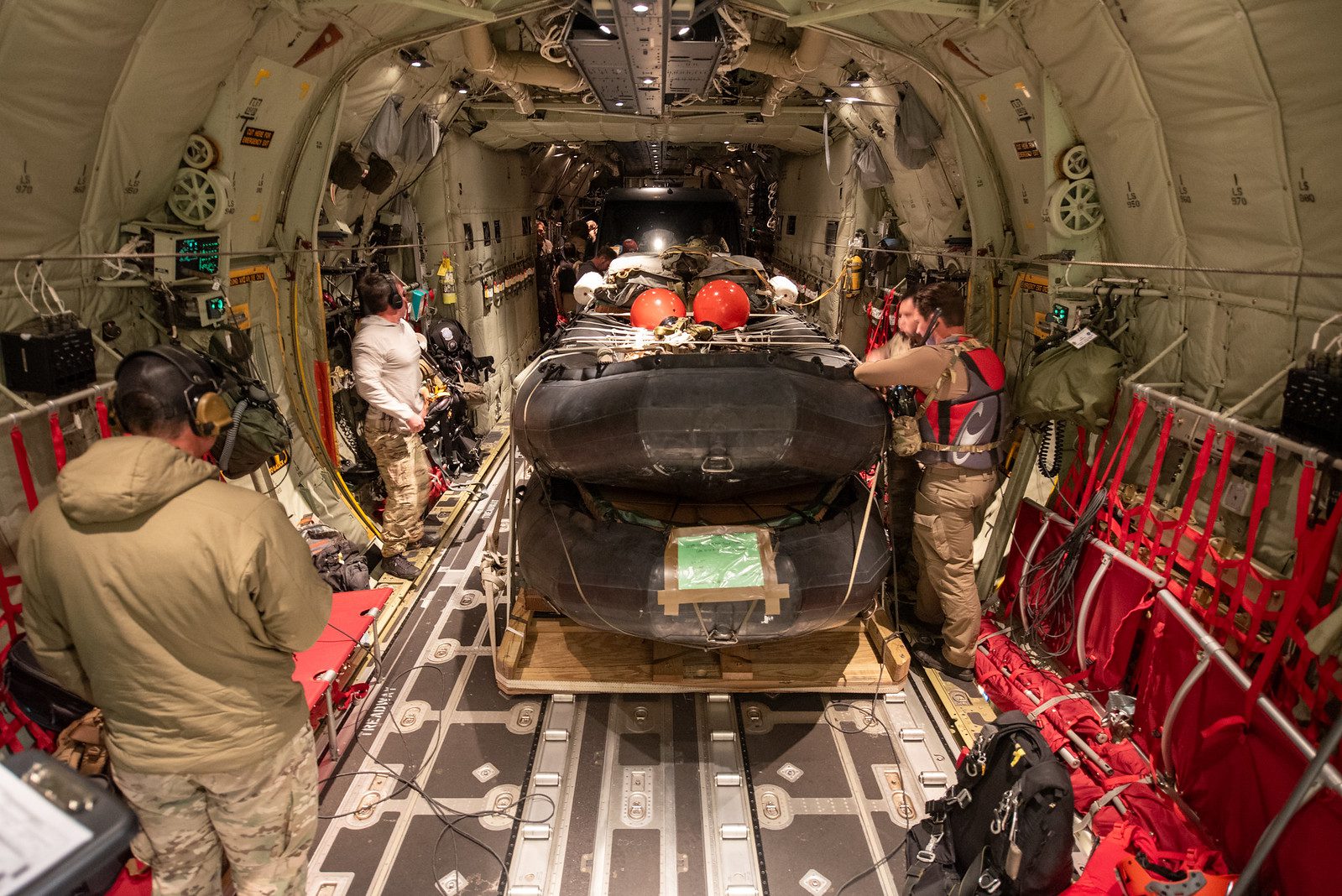
The exercise began Aug. 26 when six Airmen parachuted into the Caribbean Sea with an inflatable boat, three miles off the coast of St. Croix, from a Kentucky Air Guard C-130J Super Hercules. Eleven more combat controllers and pararescuemen then jumped directly into Henry E. Rohlsen Airport. Within minutes, both groups had secured the airfield, established perimeter security and implemented air traffic control, allowing the C-130 to land and offload crucial assets, the press release stated.
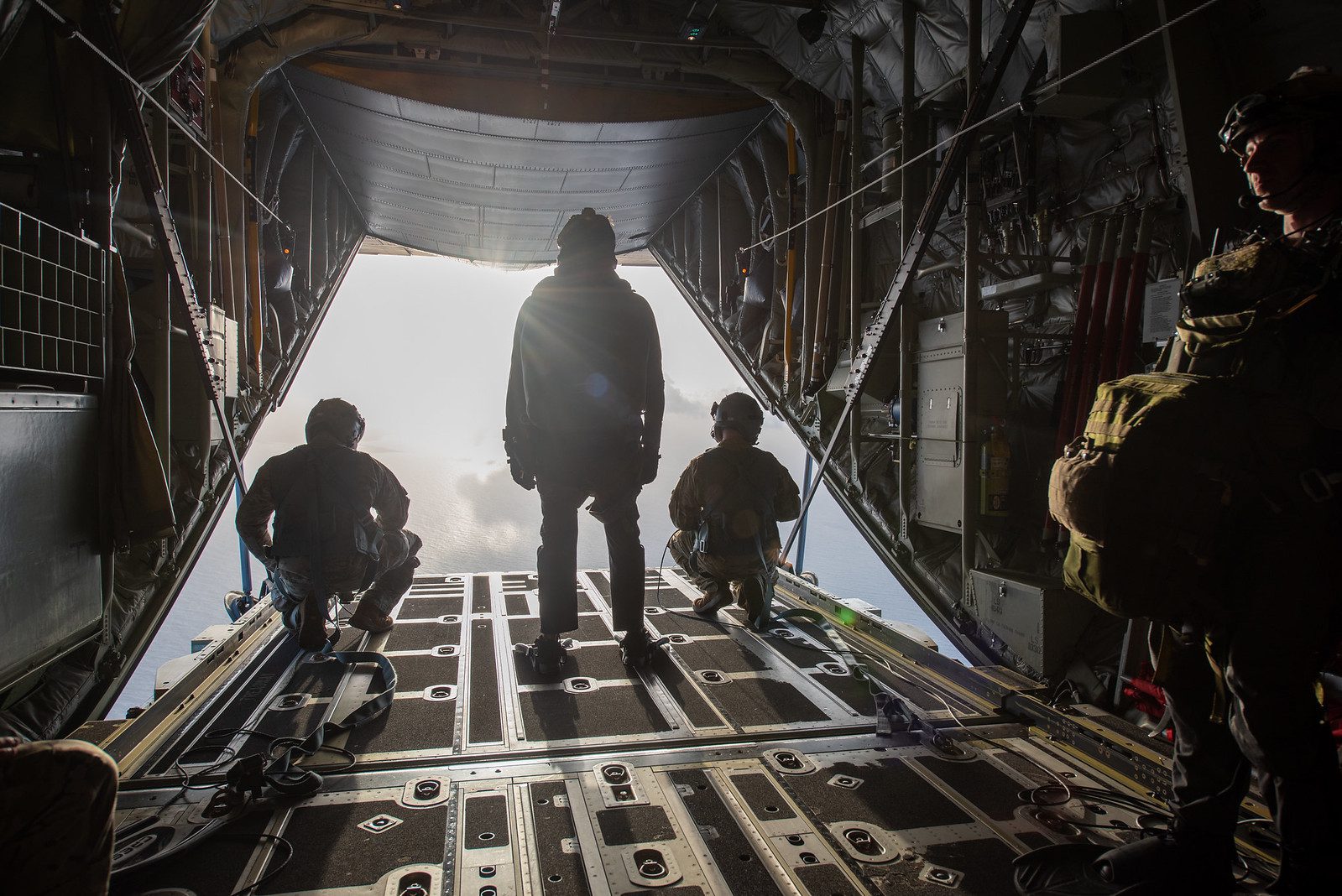
Over the following days, Airmen traveled 75 nautical miles by boat to conduct reconnaissance and targeting operations on a nearby island held by simulated enemy forces. In another test of endurance, pararescuemen and combat controllers carried out a 32-hour search-and-rescue mission. The scenario required them to locate survivors of a simulated plane crash at sea, parachute into the ocean with inflatable boats, provide medical care on the open water and coordinate helicopter hoist evacuations, the release stated.
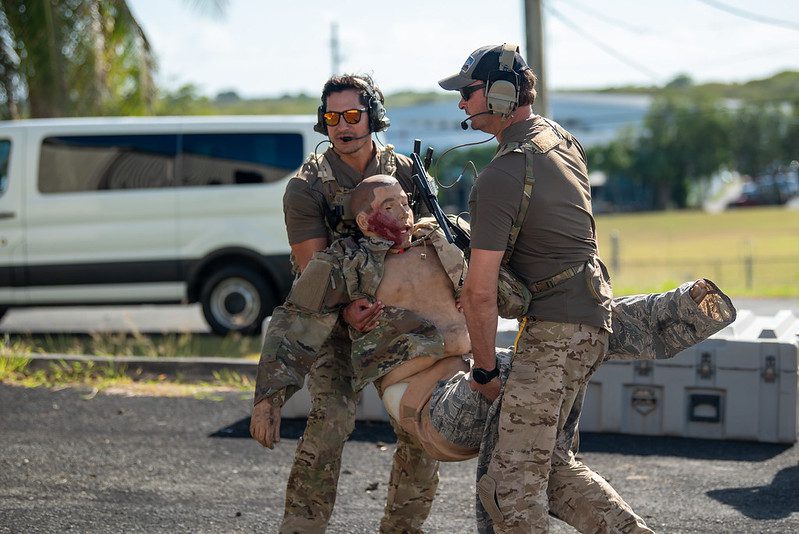
Additional training included insertion and extraction by UH-60 Black Hawk helicopters from the Mississippi Army National Guard’s 185th Aviation Brigade, as well as a mass-casualty exercise that called on Airmen to triage patients, deliver battlefield medical care and oversee medical evacuations from the Virgin Islands Air National Guard Station, the release stated.

The complexity of the missions required extensive coordination with the U.S. Coast Guard; the U.S. Virgin Islands Governor’s Office, Police Department and Air National Guard; airport officials; local marinas; and dozens of businesses. The squadron’s combat mission support team — including radio technicians, parachute riggers, vehicle maintenance crews and diving specialists — was also essential to the effort, the release stated.

“An exercise of this scope, which has been in the planning stage for over a year, would not have been successful without the combined efforts of everyone involved, from our combat support troops to the governor’s office to local citizens who were so supportive of our efforts to ensure our nation’s security,” the planner said.
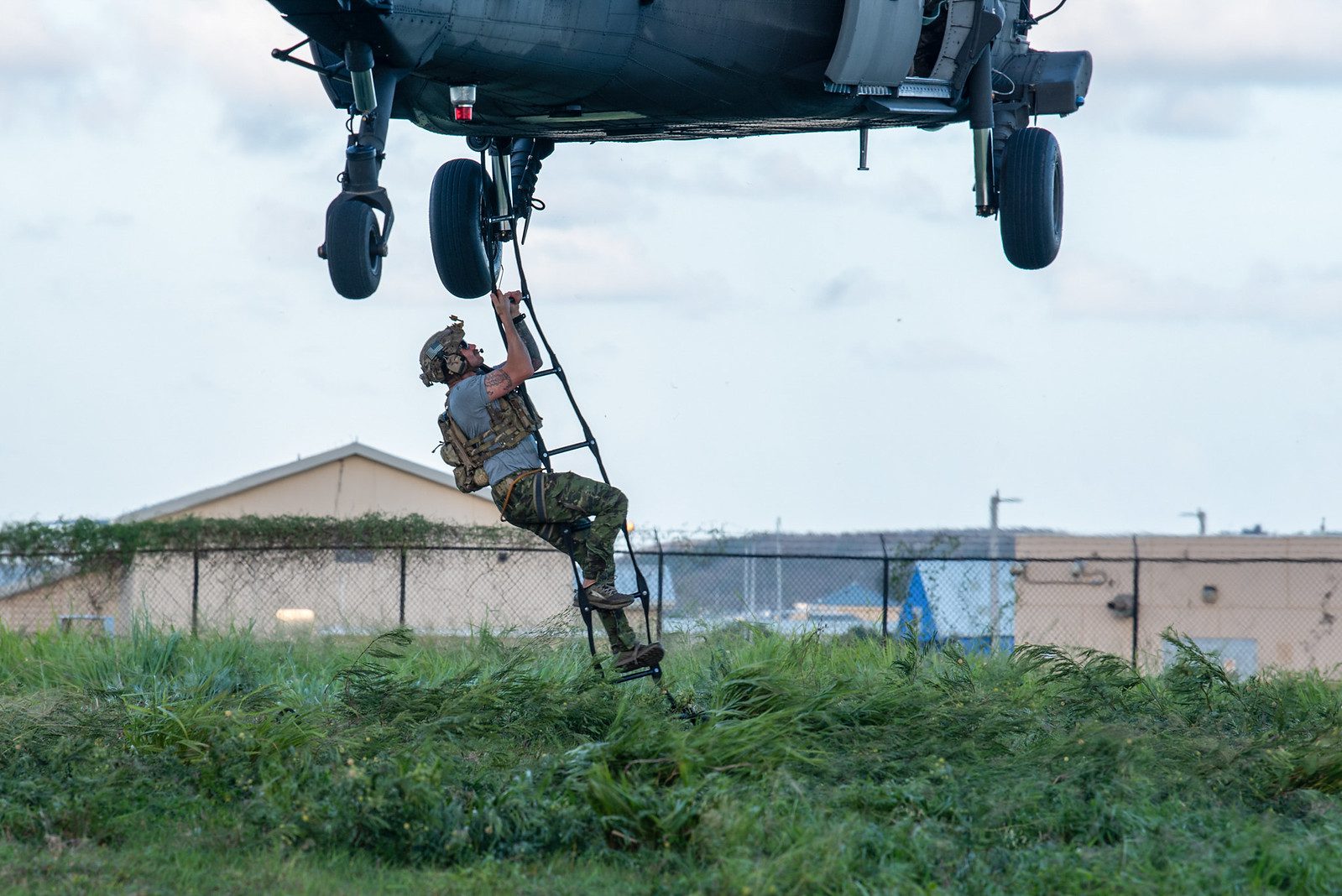
Kentucky Air Guard special tactics Airmen are among the most highly trained military operators in the world, capable of deploying by land, sea or air into almost any environment for combat or humanitarian operations. Their mission sets range from establishing airfields in contested territory to reconnaissance, tactical weather forecasting, battlefield trauma care and personnel recovery, the release stated.
The unit is also known for its humanitarian-response missions. After Haiti’s 2010 earthquake, the Airmen directed C-17 airdrops of aid and controlled a massive resupply operation. In 2005, they established a helicopter landing zone on a New Orleans overpass following Hurricane Katrina, helping evacuate nearly 12,000 residents. And in 2017, after Hurricanes Harvey, Irma and Maria, they rescued more than 300 flood victims in Houston and provided air traffic control in the Virgin Islands to support the evacuation of more than 1,200 people from St. Maarten, the release stated.

Jury selection is set for Oct. 20 in the case of former V.I. Sen. Steven Payne Sr., who faces a felony sexual battery charge in Florida.
Payne, 59, was arrested by the Orlando Police Department on a warrant out of Duval County as he arrived in Orlando on a flight from St. Thomas in September 2023.
According to publicly available documents on the Duval County Circuit Court docket, the incident occurred sometime between Aug. 1, 2018, and Feb. 27, 2019 while Payne was “in a position of familial or custodial authority” of a child who was older than 12 but younger than 18. Previous reports revealed that he had become her guardian after the living situation with her previous caregivers became tenuous.
Payne has pleaded not guilty and is free on $250,003 bond, with an order to have no victim contact.
His 2023 arrest followed his expulsion from the V.I. Legislature in July 2022 after his fellow senators voted to eject him for multiple violations of that body’s rules related to serious accusations of sexual misconduct by three different women — including a staff member and the alleged victim in the Jacksonville case — which he denied. He filed a civil suit in V.I. Superior Court in response, which was subsequently transferred to the V.I. Supreme Court and ultimately dismissed with prejudice.
According to court documents in the Florida case, the alleged victim told officials of two other incidents involving Payne, including in the U.S. Virgin Islands when he called her into a bedroom where he was lying on the bed naked and she left the room and closed the door.
In the fall of 2017 in Florida, where the girl had relocated after Hurricane Irma, Payne reportedly took her to a theme park in Osceola County, where they stayed in a hotel room together. Once in the room, he complained of leg cramps, undressed and asked for a massage, then forced the girl into the bathroom, made her take her clothes off, pulled her into the shower, bathed her and forced her to bathe him, according to the document.
The prosecution has also filed notice it plans to introduce evidence of two other incidents, including the legislative staff member’s allegations that he behaved inappropriately while they were on Senate business on St. Croix in 2022, and another by a woman who said Payne tried to force her to touch him and ripped off her underwear before she could escape a St. John beach in 2005, where they had gone so he could help her train for the police academy.
Payne’s attorney, Dale Christopher Carson, has filed motions to exclude mention of the other alleged acts of wrongdoing at trial under the “Williams Rule” of evidence, stating that the uncharged crimes are not relevant and would unfairly prejudice Payne. “Further, the admission of such evidence would promote confusion of the issues before a jury and would become a feature of the trial, thus jeopardizing the reliability of a verdict in the case,” he said.
A pretrial conference is scheduled for Sept. 9, and a final pretrial conference for Oct. 16, according to the court docket.

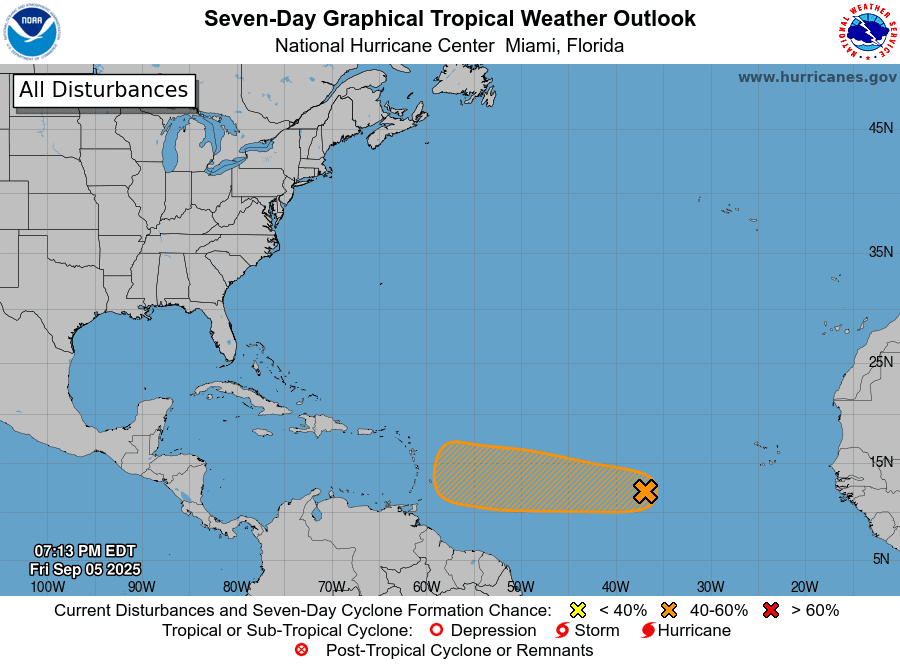
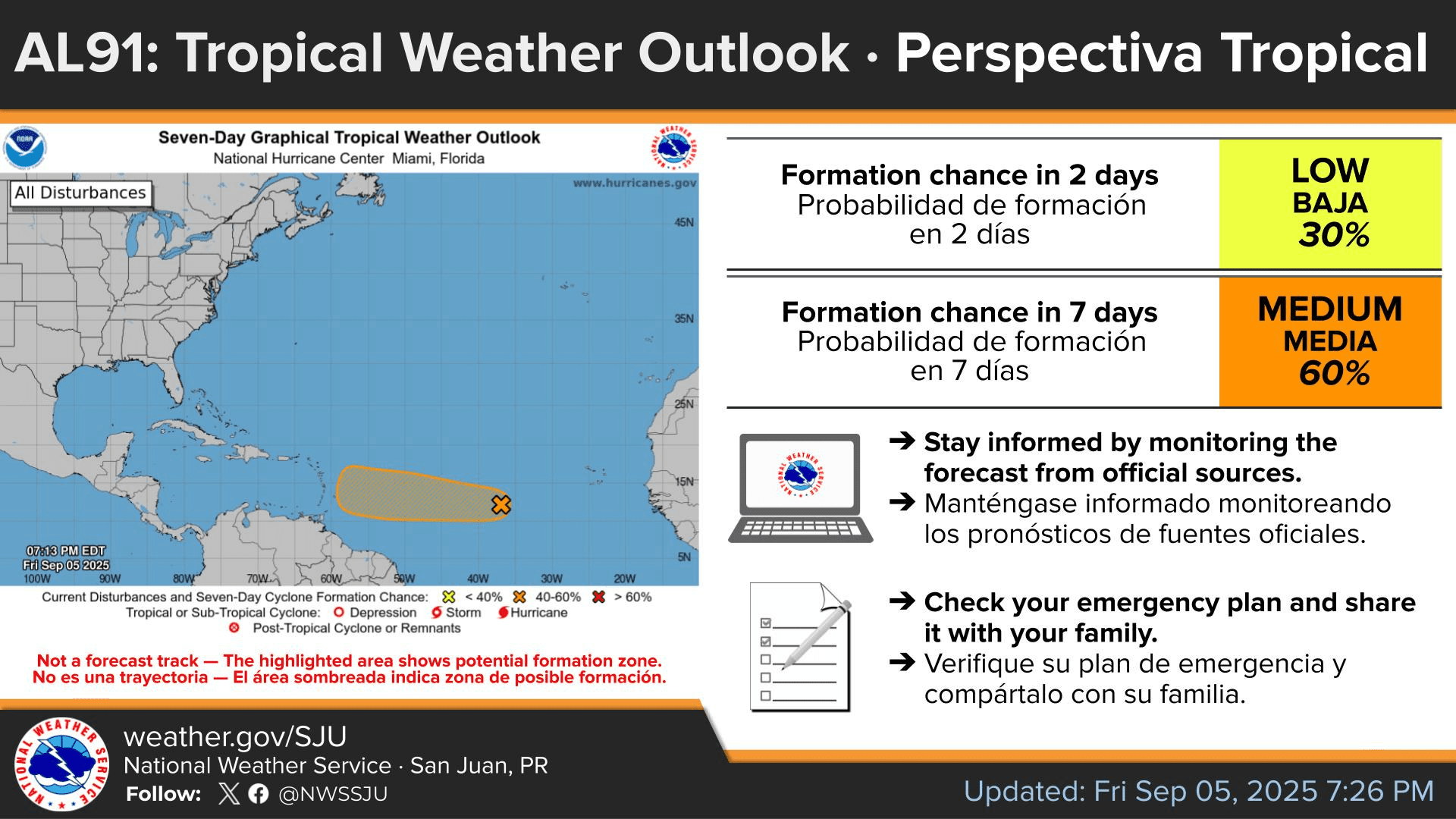
The National Hurricane Center is closely monitoring Invest 91L, a tropical wave in the eastern Atlantic that forecasters say could develop into a tropical depression in the coming days as it moves toward the Caribbean.
As of Friday evening, the tropical disturbance was battling dry air as it moved westward across the Main Development Region, a zone between the west coast of Africa and the Caribbean. The NHC noted that the very dry air was limiting development from occurring.
Notably, on Friday evening, the NHC decreased the chances of further development of Invest 91L. Still, the agency said that the system has a medium, 60% chance of becoming a tropical depression in the next seven days, and a low, 30% chance of development in the next 48 hours.
“Shower and thunderstorm activity remain limited in association with a tropical wave over the central tropical Atlantic,” according to an 8 p.m. update on Friday from the NHC. “A drier air mass is limiting the potential for development over the next couple of days, and environmental conditions will remain only marginally favorable thereafter. A tropical depression could form during the early to middle part of next week as the system moves westward at around 10 mph across the central tropical Atlantic.”
“This system is likely to be near the Lesser Antilles by the middle to latter part of next week, and interests there should monitor its progress,” the NHC added.
Several of the widely used computer forecast models had predicted that the storm could potentially intensify into at least a tropical storm. If the system is ultimately able to organize and reach tropical storm strength, with maximum sustained winds of at least 39 mph, it will be designated “Gabrielle,” the seventh named cyclone of this year’s Atlantic hurricane season.
Where Will the System Track?
As of Friday, the path of Invest 91L remains very uncertain. However, there is some consensus among the computer models that — if a cyclone indeed develops — the storm may come close to the Caribbean, and it could cause impacts to certain islands across the Lesser Antilles or Leeward Islands during the second half of next week.
Meteorologists with AccuWeather have noted the possibility of areas across the Caribbean experiencing effects from the system, while cautioning that the forecast can change in the coming days.
The Source reached out to Alex DaSilva, lead hurricane specialist at AccuWeather, for clarification on what could occur and if the U.S. Virgin Islands could, in fact, be impacted by the developing cyclone.
DaSilva stressed that while some development of this disturbance is likely, environmental conditions will play a major role in how strong the system becomes.
“At the current time, we don’t think that it’s likely to undergo rapid intensification and become a major hurricane, given the current atmospheric conditions. Confidence in it becoming a hurricane is moderate right now, and it has to deal with a lot of dry air, especially over the next 48 hours, as it continues to move west,” DaSilva told the Source.
DaSilva went on to say that the storm’s track remains uncertain until a well-defined center develops.
“The track is still a little unclear, because the cluster of showers and thunderstorms has not fully consolidated around a center of circulation,” DaSilva said.
He noted that if the system takes a northern track, forecasters say it could remain weaker, but a southern path could mean more favorable conditions.
“If the storm ends up more on the northern side of the track, it might end up weaker, because it will run into more wind shear north of the islands. That could really limit development, but it would still likely bring some rain to the islands.”
“However, if Invest 91L is able to remain a little bit farther south and avoid some of that wind shear, that’s how it could end up being potentially a little bit stronger,” he added.
DaSilva said that, overall, it is too early to know exactly what might occur, as a lot depends on how quickly Invest 91L is able to organize.
“We will need to wait and see if the disturbance is able to make it through some of the dry air, especially early in a tropical cyclone’s lifetime, when the dry air can be more of a limiting factor in terms of development. Once a storm is able to get established and really get that core, it can fight off some of that dry air,” DaSilva stated.
“This is an evolving situation and things can change pretty quickly,” he noted.
National Weather Service in San Juan Monitoring Situation
On Friday, the National Weather Service in San Juan, Puerto Rico, cautioned that it is still too early to determine whether there could be any direct impacts across the USVI or Puerto Rico. While acknowledging the potential threat posed by Invest 91L, the agency advised that residents and visitors across both U.S. territories remain vigilant and monitor the progress of the tropical wave.
“The approximate timeframe of interest is September 12 to 15,” the NWS said. “However, uncertainty remains regarding the system’s trajectory and intensity. At this time, it is too early to determine potential impacts on Puerto Rico or the U.S. Virgin Islands.”
“Please remain engaged and continue monitoring official updates through the weekend,” the NWS advised.
Local Weather Information and Staying Informed
Looking ahead, additional tropical waves are anticipated to emerge off the west coast of Africa in the next few weeks, and USVI residents and visitors are encouraged to continue to remain prepared.
“The Caribbean islands need to be watching all of the tropical waves as they come west, because I believe there will be a risk of impacts throughout the rest of September, and even into the beginning of October,” DaSilva said.
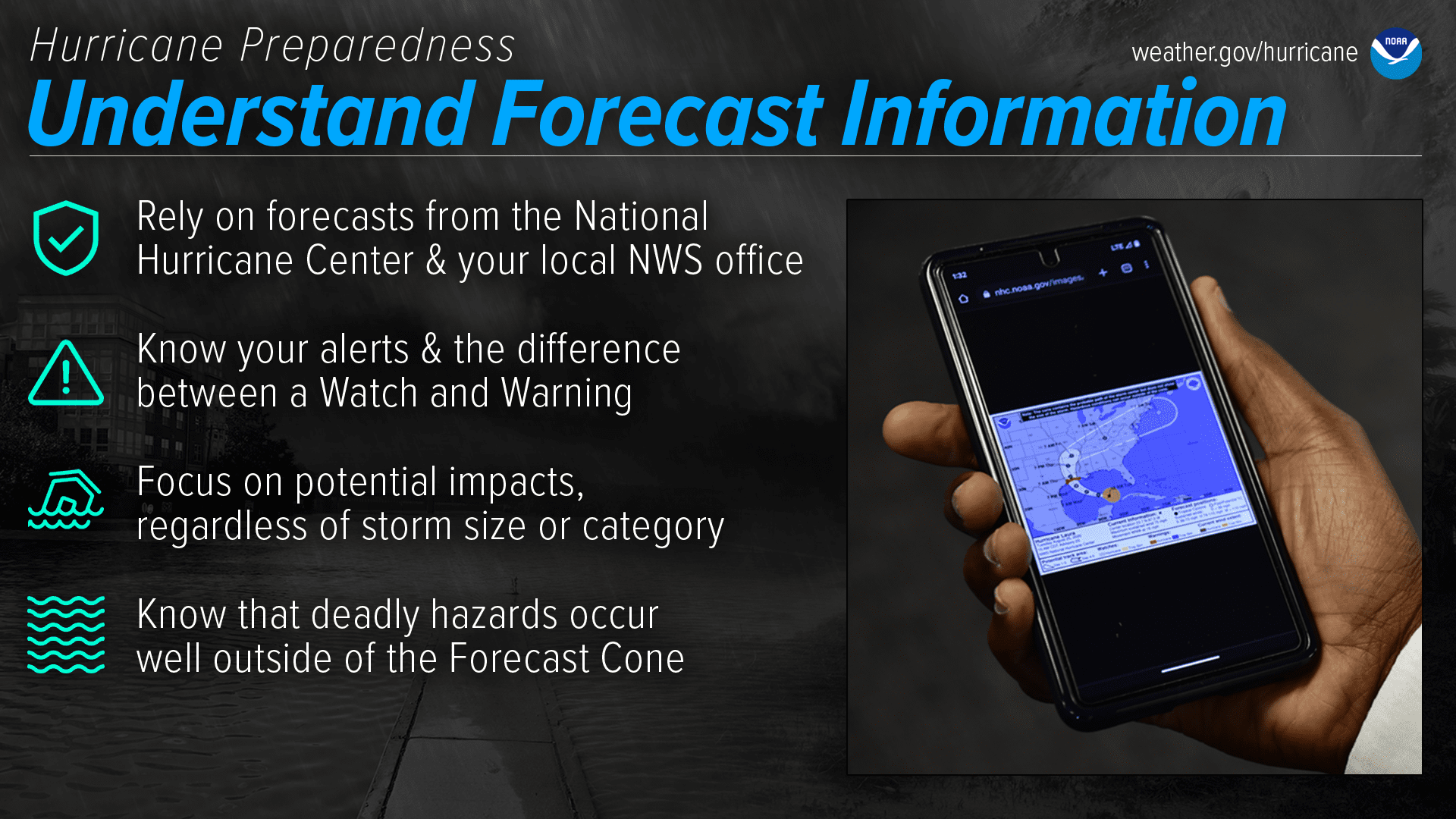
It is crucial to remember that the forecast can change very quickly. USVI residents and visitors are encouraged to continue to remain prepared. Weather information is available from the NWS, the NHC, and NOAA.
Additionally, the local weather forecast for the U.S. Virgin Islands is regularly updated on the Source Weather Page and VI Source YouTube Channel. A weekly Tropical Outlook article from the Source is also published throughout hurricane season to provide in-depth updates. Residents and visitors can find additional weather alerts and preparedness information from the Virgin Islands Territorial Emergency Management Agency.

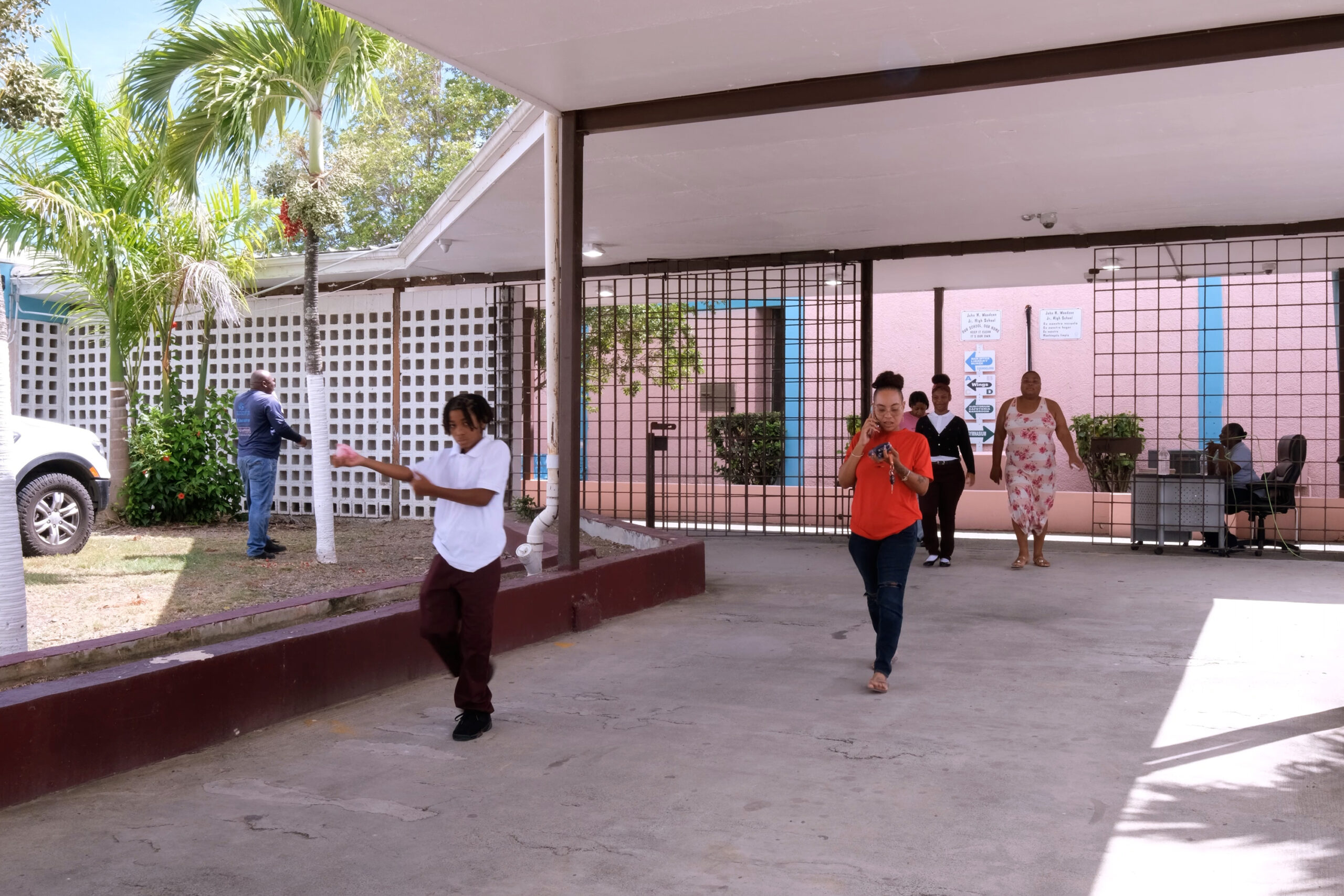
John H. Woodson Junior High School opened its doors Friday for the 2025-2026 school year — its final year before a planned rebuild.
Education Commissioner Dionne Wells-Hedrington announced that the campus will close at the end of this school year as part of the new school construction cycle. Students who would normally attend Woodson will be merged into Eulalie Rivera and Arthur Richards, depending on their district.
Parents and students were greeted at the school gates as they arrived for orientation, marking the end of weeks of delay caused by roof repairs, mold remediation, and air conditioning upgrades. The school, which did not open alongside others on Aug. 13, remained closed until critical summer repairs were complete.

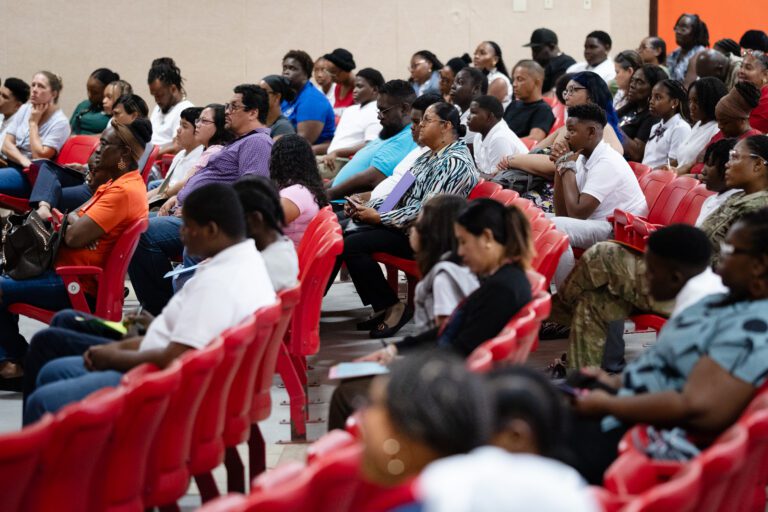
Orientation was held in the now air-conditioned auditorium in two sessions: seventh graders at 9 a.m. and eighth graders at 1 p.m. Students and their parents were briefed on key topics, including school drop-offs, uniform policies, testing, and the school’s mission to improve its ranking.
Principal Barbara McGregor, beginning her first year at Woodson, opened the session with optimism. “It is a pleasure to be here with you and your children. It’s been a long time coming for us, and we have been waiting and waiting. I guarantee you that myself, my team, and our staff are all anxious to get started.”
McGregor shared her goal of moving John H. Woodson from a two-star to a three-star school by the end of the year. She reflected on its history as one of the top schools on the island. “We are going to get back there this year. We cannot do it alone. We need students to do their part, parents to do their part, and we will hold our faculty and staff accountable for doing their part.”
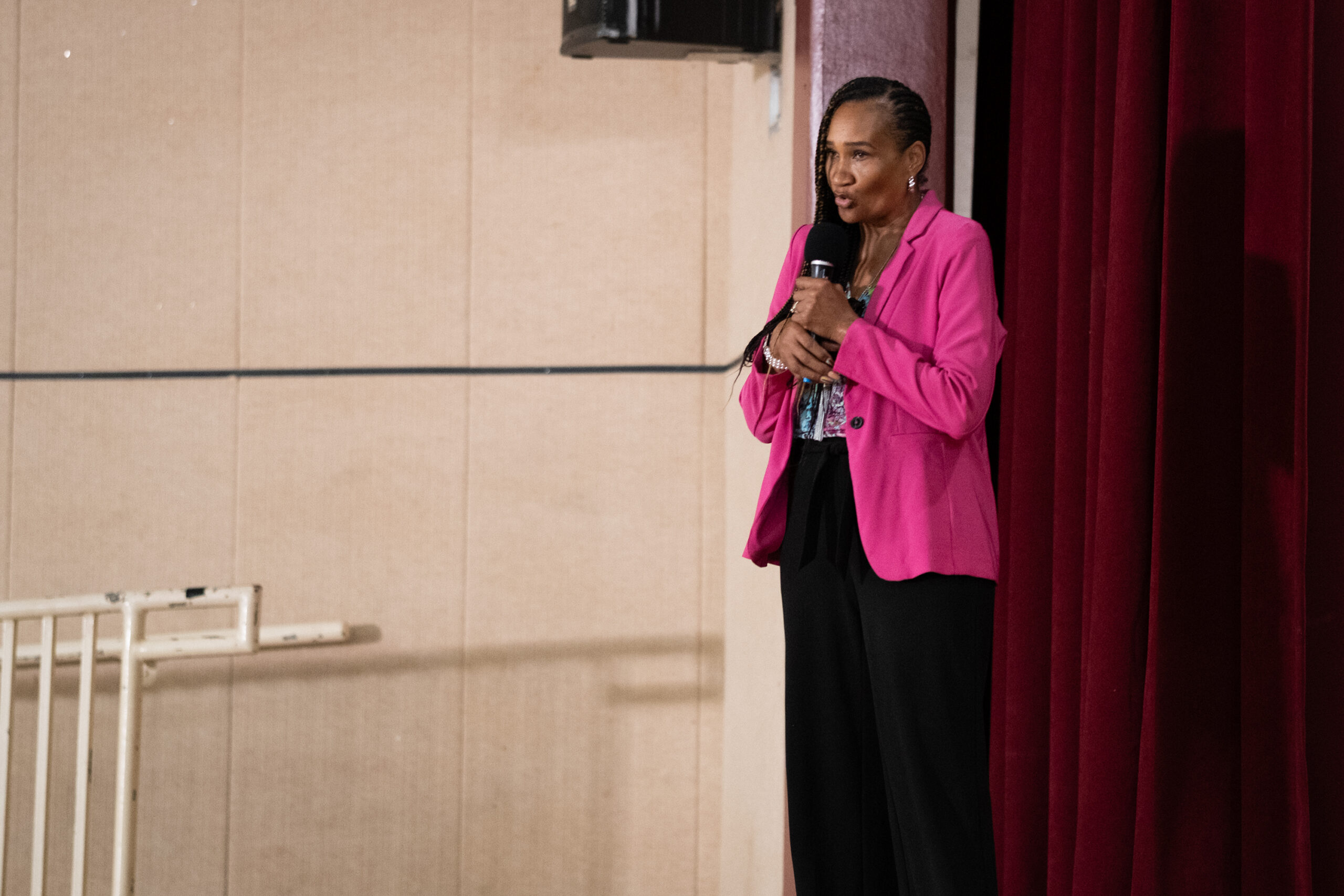
The Education Department also announced that a makeup schedule totaling 110 instructional hours will be provided and parents are to monitor the V.I. Education Department Facebook page for more updates.
Assistant managers Yauncy Milligan and Bobby Ferris from the Bureau of School Construction and Maintenance also addressed the gathering. Milligan encouraged parents to “make some noise” if they see anything in need of attention. Ferris detailed the work completed, including classroom and bathroom upgrades, extensive roof repairs, and full mold remediation. “This school has been around for a long time, but it’s a very sturdy and strong school. We did some extensive work getting it prepared for you. We tested the school, and it is 100 percent mold free.” He noted that remaining minor repairs would be completed on weekends and holidays so as not to interrupt classes.

Parents and students also had the chance to tour classrooms and view the improvements.
Sen. Kurt Vialet, who was also present for the orientation, had previously responded to teachers’ complaints about mold and praised the progress. “We were able to get a number of those concerns addressed. I am very happy with the library. The library has not had an air conditioning unit for more than three years. Teachers have already said they can feel the noticeable change in the classroom and the improvement of air quality. The department did a good job in addressing the concerns.”

Parents and advocates gathered Wednesday evening on St. Thomas for a hybrid disability education training, where speakers urged families to understand their rights and push for individualized support for students with disabilities in Virgin Islands schools.
The session was hosted by the Disability Rights Center of the Virgin Islands along with Beyond Visions Foundation, Family Voices VI, and the VI DD Council.
The Disability Rights Center of the VI was created in 1977 and is the only territory-wide advocacy organization established by Congress that provides legal services to eligible persons with disabilities in the USVI.
“We perform basically the legal service of the disability community,” said Shammi Carr, an advocate for the DRCVI, who also noted that the organization provides lay advocacy, information, training, outreach, and more. “We do all sorts of things, but I think the most important thing for you guys to know is that, when it comes to parent advocacy, we can help you out, one on one. We can help you go to review your IEP. We can go to IEP meetings. We can also assist with reviewing your records.”
IEP refers to an Individual Education Plan. To ensure community members share an understanding of key terms like IEP, DRCVI included the following slide in their PowerPoint presentation.
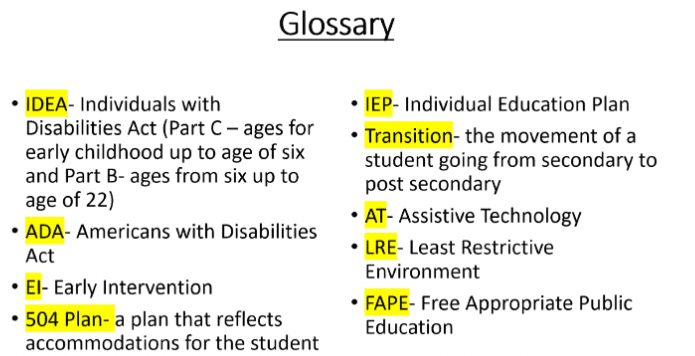
“There’s nothing worse than being at the table and they’re talking alphabet soup and you have no clue what’s going on,” said Carr, describing the confusion people may feel learning about the long list of acronyms for legal protections, individualized plans, and teaching approaches that shape special education. “That’s a terrible feeling, especially when trying to advocate for someone you love, like a child.”
The training session focused mainly on breaking down the three primary laws that protect students with disabilities: the Rehabilitation Act of 1973, the Education for All Handicapped Children Act of 1975 (renamed the Individuals with Disabilities Education Act in 1990), and the Americans with Disabilities Act (ADA). Each law offers different types of support, eligibility criteria, and documentation requirements.
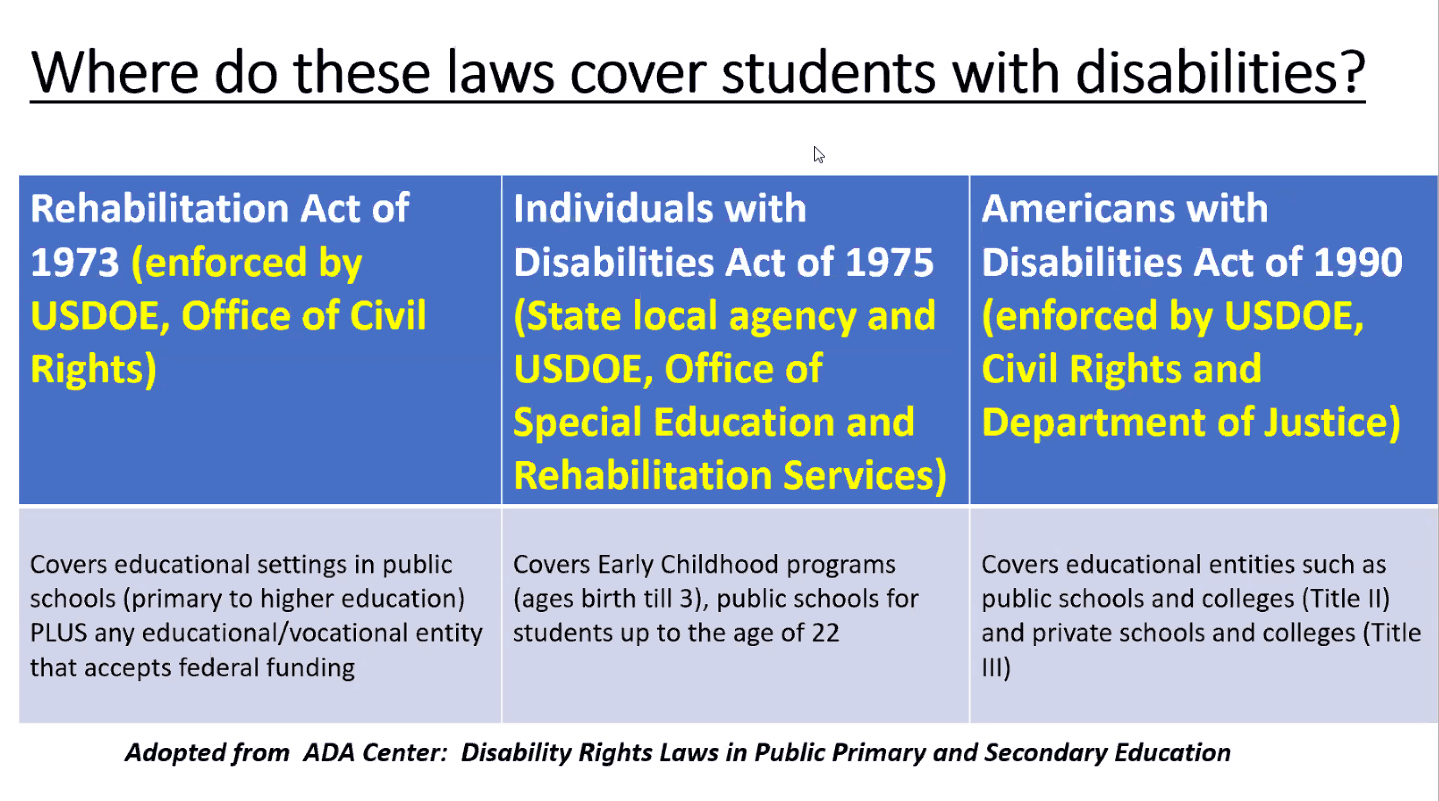
While outlining where these laws cover students with disabilities, Carr noted that the Trump administration has made repeated attempts to cut funding or roll back protections for programs that support students with disabilities. She said that the uncertainty has left disability rights leaders questioning whether critical laws will continue to be enforced.
“The Rehabilitation Act is enforced by the U.S. Department of Education’s Office of Civil Rights. I did check last time, they’re still alive. You know, with everything going on with this administration, we sometimes wonder. When we go on a website and all of a sudden it’s gone, what happened? So last I checked, it was there … but that’s not a given anymore, sadly,” Carr said.
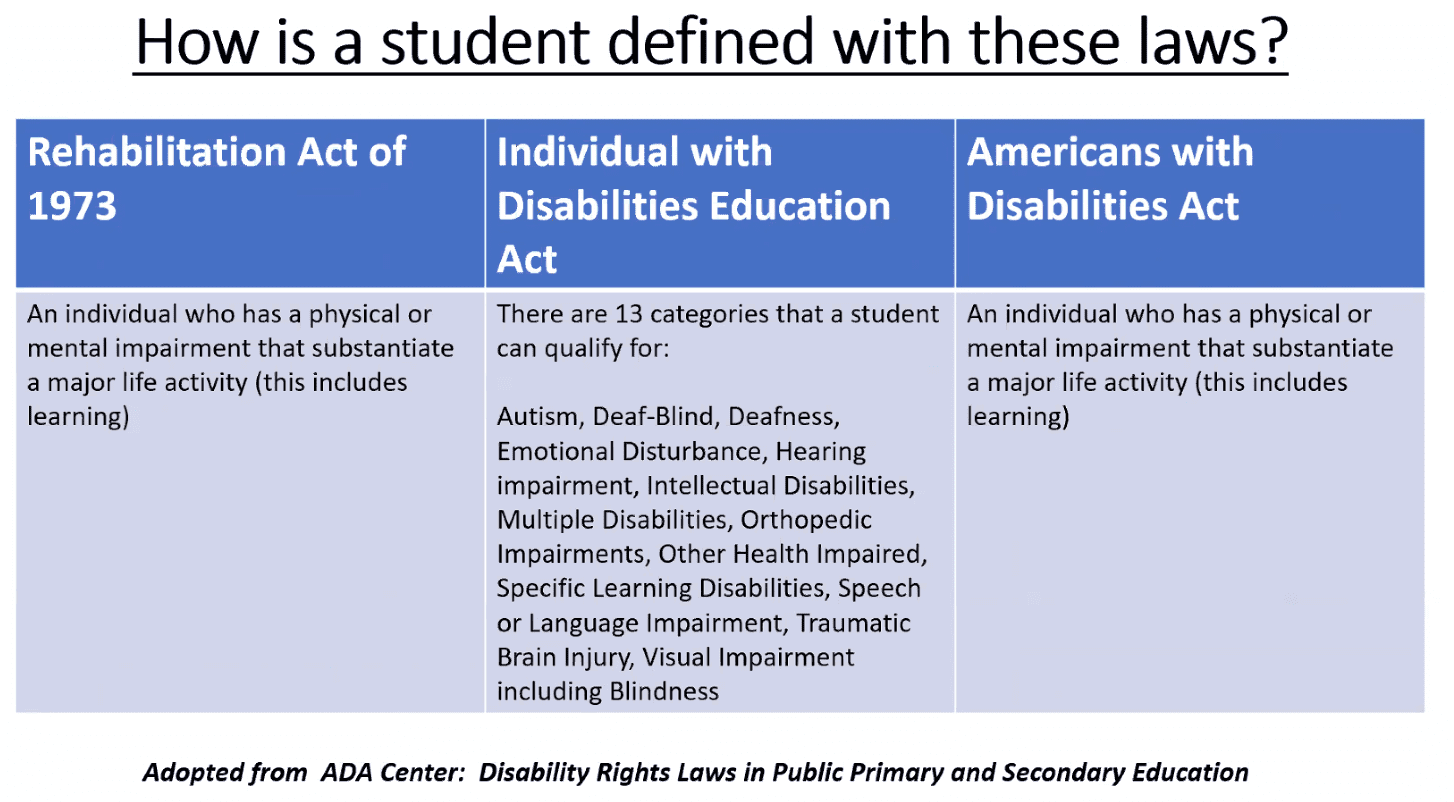
While explaining how students qualify for services under federal disability laws, Carr noted that conditions such as ADHD or sickle cell disease can fall under the category of “other health impairment” in the Individuals with Disabilities Education Act. IDEA recognizes 13 specific categories of disability, including autism, intellectual disabilities, and multiple disabilities, but also provides for students whose needs do not fit neatly into a single label.
“My child has sickle cell. Okay, well, there’s not one specific for sickle cell, but there’s definitely one called other health impaired. Well, my child has ADHD. I don’t see ADHD on that list, nope. ADHD is going to fall under other health impaired,” Carr explained during the session.
She added that under “other health impaired,” an individual assessment is required to determine whether the condition substantially limits a student’s ability to learn. “You can have a disability and one child is getting services, another child isn’t. That’s because every disability is different, even the ones with the same labels,” Carr said, emphasizing the importance of individualized assessment. “We want to treat each child as an individual. We want to make sure that each child is getting the exact type of service that they need, and they’re not getting overly labeled, but also they’re not getting underly labeled.”
In contrast, Section 504 of the Rehabilitation Act and the Americans with Disabilities Act do not rely on a fixed list of categories. Instead, they define a student with a disability as anyone with a physical or mental impairment that substantially limits one or more major life activities, such as learning. “There is no list … Basically, you look at the definition and you say, Yep, that’s me,” Carr said.
IDEA covers students from birth through age 22, while 504 and ADA protections extend to all ages and educational settings, including colleges and adult training programs. Carr noted that this broad coverage ensures that students with a wide range of health conditions, from diabetes to epilepsy to mental health challenges, can access the support they need, even after they are done with education.
Carr expressed concern that some schools may be steering students with disabilities into costly credit recovery programs, rather than providing the compensatory education services they are entitled to under federal law. She questioned the motives behind these programs, suggesting that financial incentives could be at play.
“I just find it very opportunistic if you’re going to do credit recovery, especially for children with disabilities. We call it something else. We call it compensatory educational services,” Carr said.
She encouraged parents to reach out for advocacy support as soon as they are offered credit recovery to see if their child instead qualifies for compensatory services under IDEA. “If you have a child who is behind and they’re talking about credit recovery, come see us first. Let’s see if under the IDEA process, compensatory services should be offered in lieu of any kind of credit recovery which has cost, where the compensatory does not have cost,” she said.
A key message from the session was the importance of early intervention and individualized support, with Carr encouraging parents to reach out as soon as they notice their child struggling in school. The DRCVI and its partners, including Beyond Vision Foundation and Family Voices, provide a range of services to help families navigate the complex web of systems and laws designed to support students with special educational needs.
The DRCVI plans to offer additional sessions later this month, focusing in greater detail on 504 and ADA plans. Parents and caregivers interested in learning more were encouraged to contact the organization for resources and information about upcoming events.

After months of rigorous training, and despite limited competition, the territory’s top women’s soccer teams will finally get their moment. Four squads converge at Ivanna Eudora Kean High School on St. Thomas this weekend for the USVISF Women’s 7v7 League Championship.
The championship weekend kicks off with newly formed Rock City United SC vs St. Croix Kestrels at 4 p.m. Saturday.
Rock City United co-founder Anna Scott acknowledges the unique path her team has taken to reach this point.
“We’re really excited to play Saturday in the first championships under the Rock City United banner. With only one other team in the St. Thomas league and only playing three games over several months, all the Rock City players have worked hard to find other opportunities to play and train.”
That search for competition has taken players across different levels of the game. “From those playing with the national team to those playing pick up regularly, we all find the sport and play whenever we can,” Scott describes. “So we’ll be drawing from the competition in the league but also from all the other opportunities we’ve had to train and play over the summer.”
Scott doesn’t underestimate what lies ahead, adding, “Competition this weekend is going to be fierce and we’re going to do our best to meet the moment.”
St. Croix Kestrels arrive with clear intentions and a diverse roster of teens, dedicated mothers, and seasoned veterans that reflects the reality of women’s soccer in the territory.
Manager Claudia Lombard describes a team that has embraced the grind of preparation.
“The St. Croix Kestrels are soaring into the USVI women’s league semifinals with fire, focus, and fierce determination. We have pushed ourselves in training, refined our strategy, and are locked into a winning mindset.”
Their approach promises an exciting matchup ahead. “The Kestrels game plan is intensity – constant pressure, quick transitions, relentless defense, and solid teamwork,” Lombard adds. “[We] are committed to bringing heart and hustle to the field, and our sights are set on victory.”
Both teams invite the community to show their support and see what women’s soccer in the V.I. is about!
Match Schedule
Saturday – Semifinals
Sunday

Sept. 6-7 matchups conclude the regular season of the USVISF Men’s Premier League.
On Saturday, St. Croix’s number one-ranked CAPA will face off with Helenites SC at 4 p.m., followed by Massey SA vs LRVI FC at 7 p.m. on St. Thomas. At 4 p.m. Sunday, Rovers SC will battle Prankton SC on St. Croix. St. Thomas’s top two teams, New Vibes SC and Raymix FC, will play the final match of the weekend on Sunday at 7 p.m.
CAPA enters this crucial matchup with confidence after securing their place in the Big 4. President Harry Nelson shares, “My team is feeling really good knowing we have already qualified for the Big 4. We are just going through the motions at this time and giving some of the players who haven’t had much playing time some more to prepare for the end of the season.”
This is no indication of a slow in momentum, however. Nelson adds, “We will still be applying pressure as that’s the nature of the game and that’s how CAPA plays: high press, high tempo flair football.”
Helenites SC enters the matchup against their biggest rivals this season following a 1-1 draw against third place Rovers SC. Their approach is the usual: “Any pressure? No pressure.”
Massey SA vs LRVI FC promises competitive action on St. Thomas as the two highly physical teams look to conclude this season with a win.
New Vibes SC is feeling relaxed and confident after last weekend’s impressive 5-2 victory over LRVI FC despite starter Jordan Atemazem being benched with an injury. The team has already secured the number one position in the St. Thomas division and their spot in the Big 4.
Raymix has also secured a spot in the Big 4 as number two in the St. Thomas division and is eager to make their mark on the Men’s Premier League this weekend and in the upcoming finals.
The teams most look forward to feeding off the energy of the crowd and invite the community to fill the stands at this weekend’s games.
Since 1999 the Virgin Islands Source – the only online newspaper of general circulation in the U.S. Virgin Islands – has been providing the community with reliable, accurate and balanced local journalism.
Contact us: visource@gmail.com
© 1999-2025 Virgin Islands Source