



After witnessing the weeks-long spectacle of a kapok tree (Ceiba pentandra) attracting a mob of bats to pollinate its flowers (see my May 17, 2025, VI Source article if you missed it), I kept going back to see what would happen next.
After the bats come to eat the nectar inside the flowers, and consequently spread the pollen around to other flowers, the flowers fall off. Then the kapok tree’s seeds begin developing inside the cup-like structures where the ovaries are located.
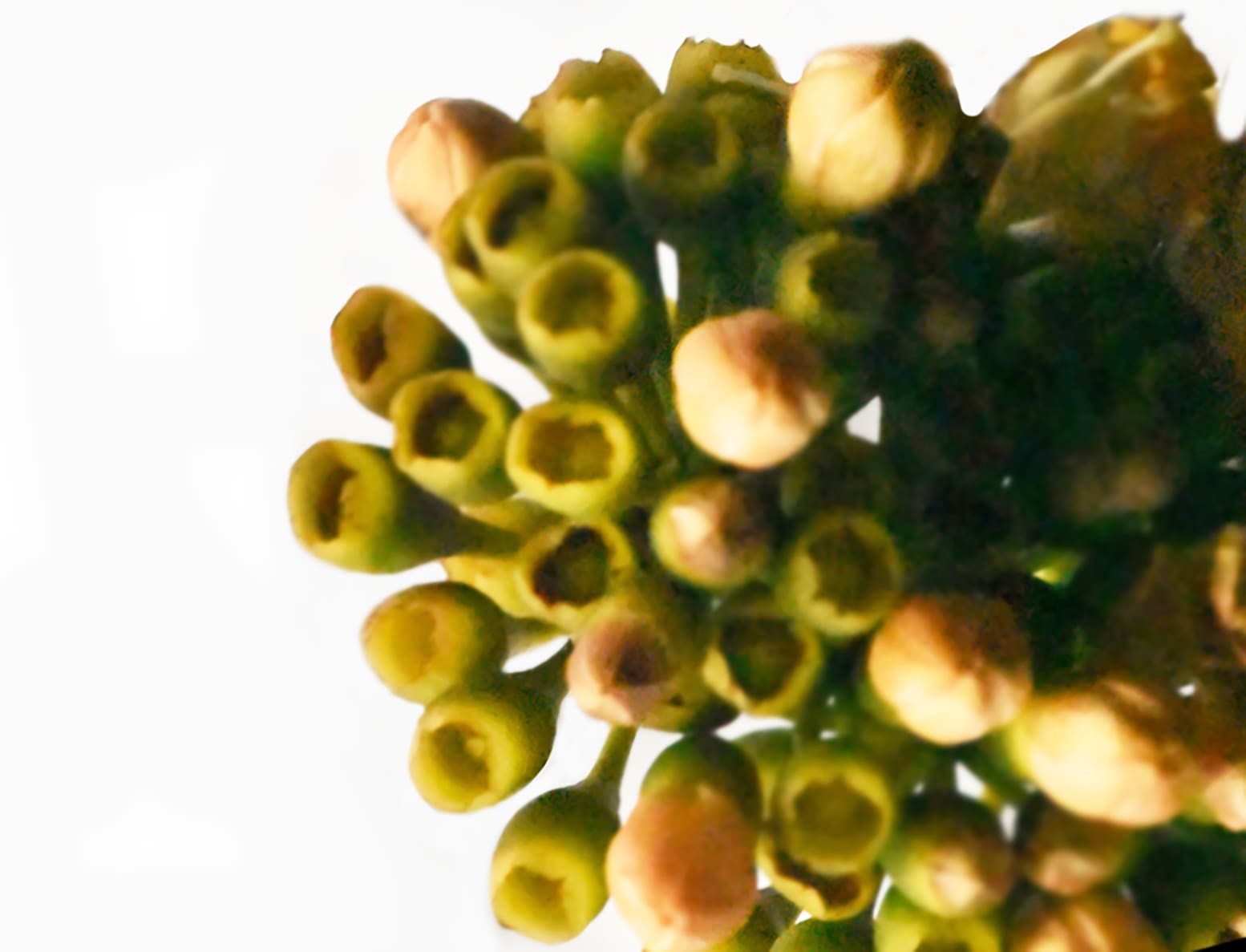
Since there are lots of flowers on the tree, and they aren’t all pollinated at once, some of the seed pods start growing sooner than others. At first, the pod is green and looks like a tiny zucchini. When it gets bigger, the pod turns brown and hard.
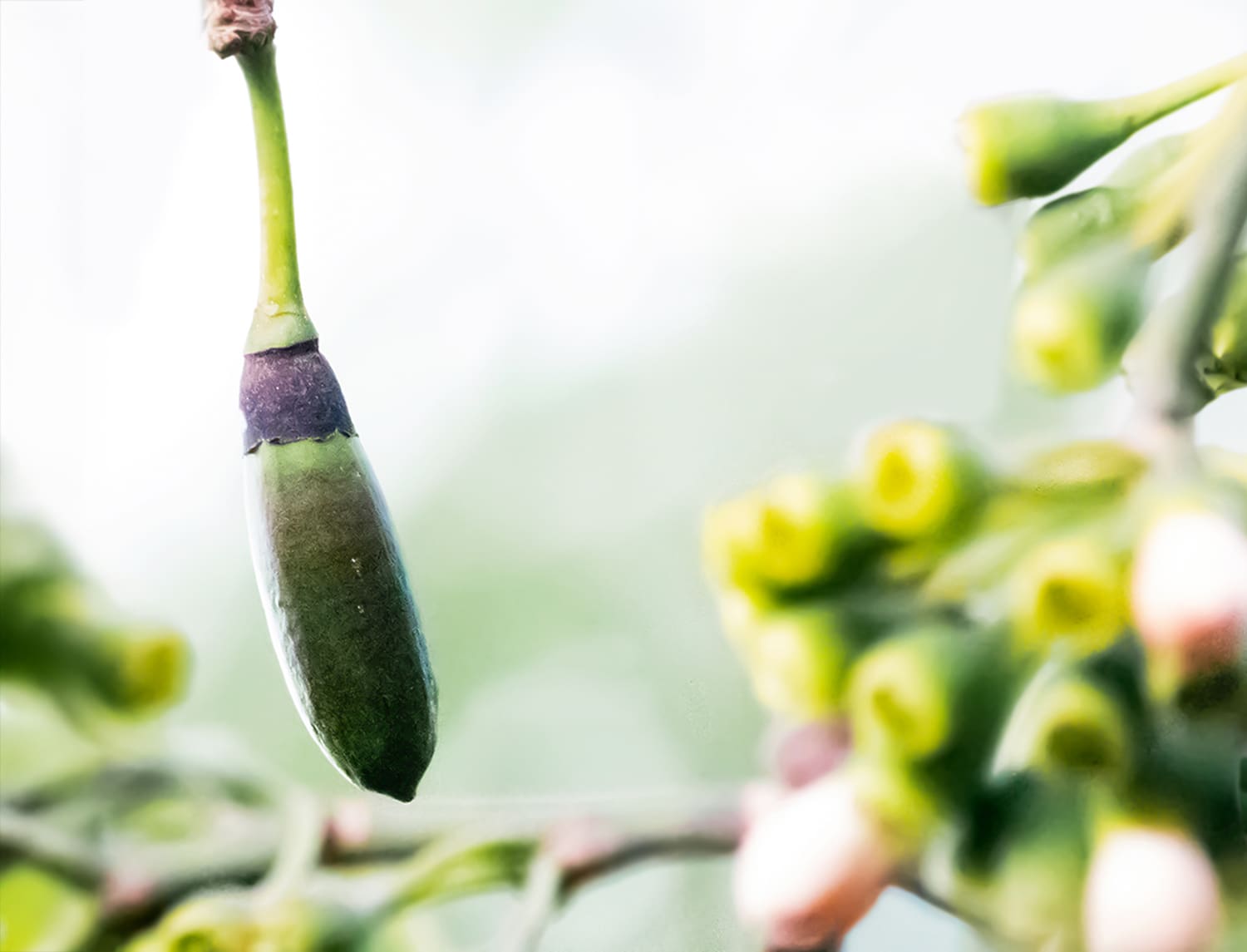
I kept going back to see how the pods were developing but it was many weeks before I saw any of them opening up. Eventually they started cracking open lengthwise, and I could see rows forming inside that from a distance looked like kernels of corn growing on the cob.


After the pod’s hardened skin dropped off, you could see that the ‘kernels’ were actually soft. Soon wisps of the compressed fibers started getting loose as the wind caught them.

For a while the tree looked like it was decorated with round puff balls. While many other types of trees get their seeds distributed by producing tasty fruits for birds and animals to eat and deliver to another spot that might be favorable for germination and growth, the kapok trees instead send their seeds floating off on fluffy parachutes.

As the fibers got fuzzier and kept expanding and getting looser, some of them kept their ‘kernel’ shape, just growing bigger and softer. Later, they lost it entirely and completely unraveled. Then you could see that there were small, dark seeds attached to the fibers. Because of these fibers, the tree is also sometimes called a ‘silk cotton’ tree.

For many years the kapok fibers were prized by people for use in life jackets and life preservers because they are very light and buoyant and do not absorb water. At the same time, the fluffy fibers trap air, so they retain heat and are useful for insulation and bedding. Over time, people started using synthetic substitutes, but there has been some interest in kapok again as a natural, non-allergenic fiber.
The primary purpose of the light-weight fluff, however, is to transport the little seeds through the air to a space far away from the mother tree where another such huge tree could possibly grow and thrive.
Unfortunately for many of the seeds, and the homeowners nearby, much of the fluff ends up just falling close to the tree, on top of other trees and bushes, or smothering the existing ground cover plants.

I hope that some of the seeds do reach a good place for them to grow, so there can be more of these wonderful trees around to support local wildlife, and to delight human observers as well.
Gail Karlsson is the author of a photo book Looking for Birds on St. John, as well as two other books about nature in the Virgin Islands – The Wild Life in an Island House, and Learning About Trees and Plants – A Project of the Unitarian Universalist Fellowship of St. John. gailkarlsson.com. Follow her on Instagram @gailkarlsson and at gvkarlsson.blogspot.com.