


As spring break travel increases across the Caribbean, the United States Department of Agriculture is reminding travelers that simple choices can help protect pigs and prevent the spread of African swine fever, a highly contagious disease that is deadly for swine, but not harmful to humans.
What is African Swine Fever?
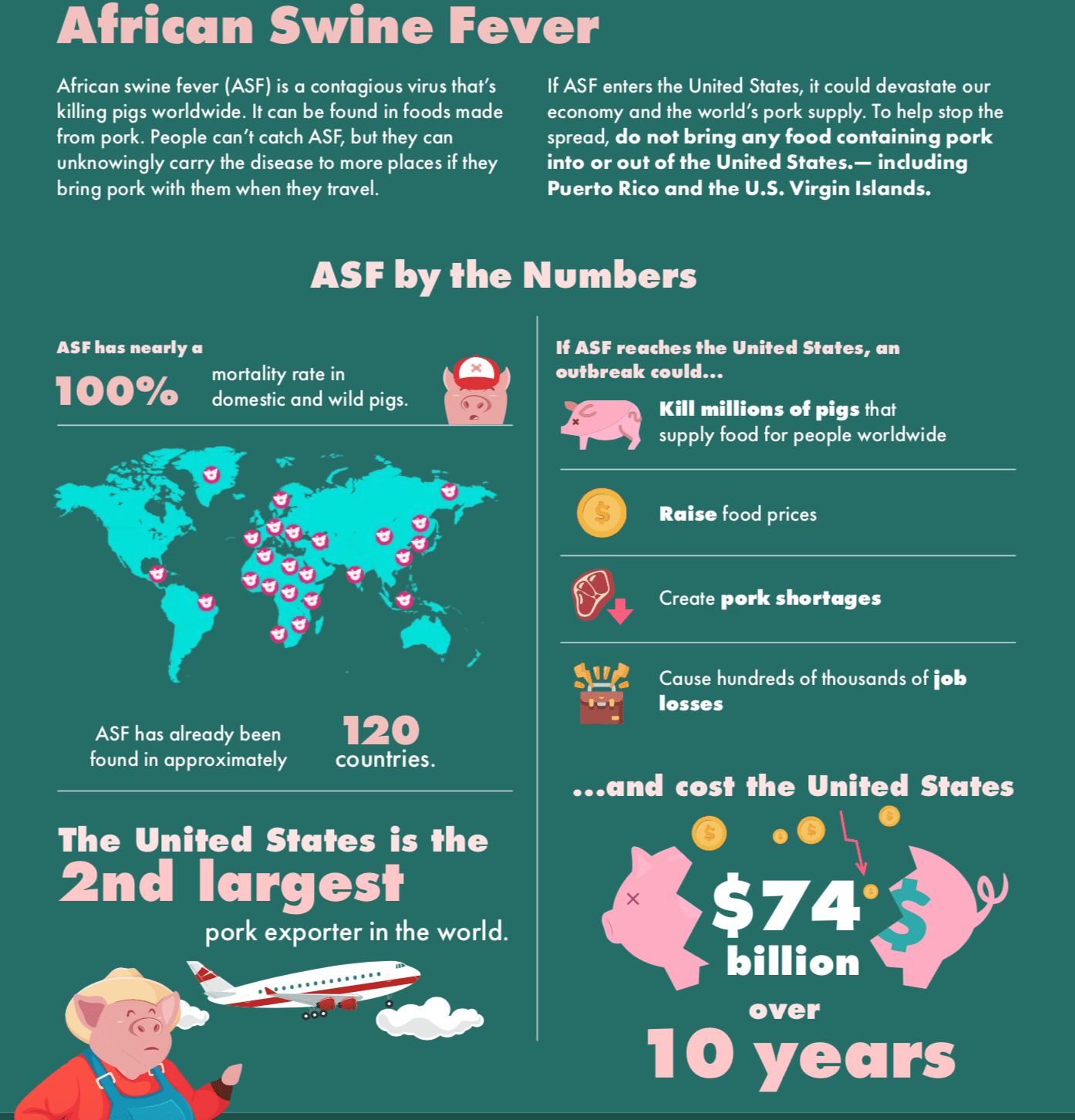
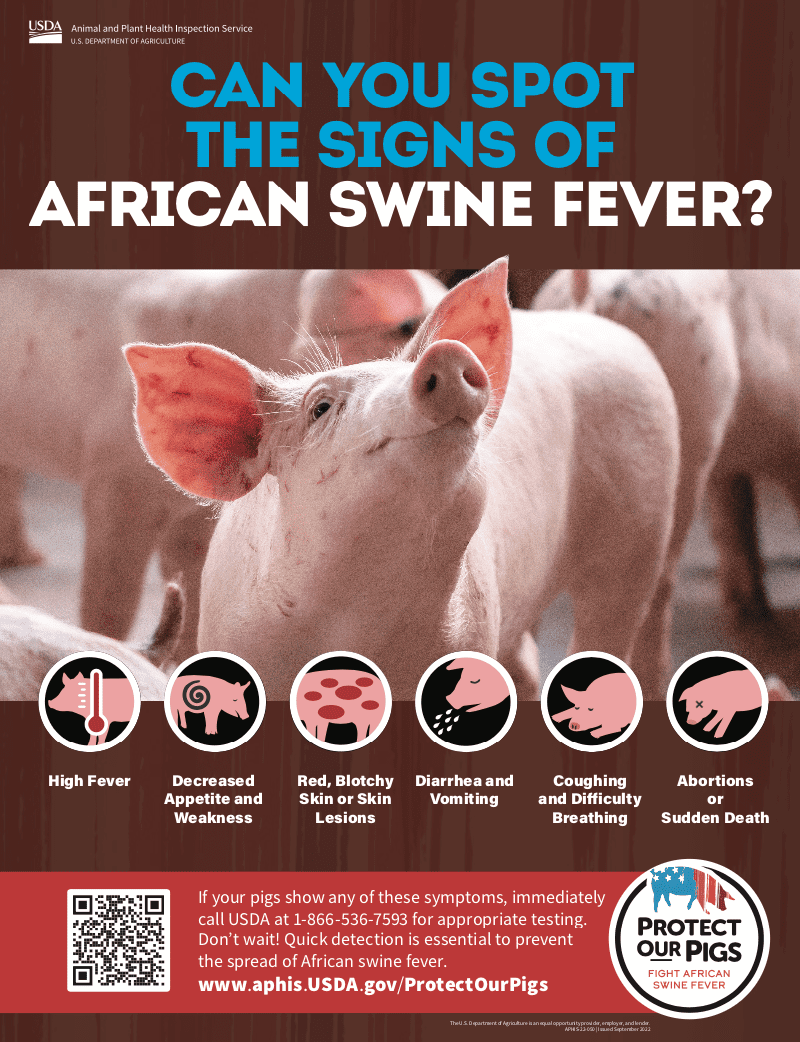
According to the USDA, “ASF is a contagious and deadly viral swine disease affecting domestic and feral swine of all ages. It cannot be transmitted to people, and properly prepared pork products are safe to eat. Although it is not a direct threat to human health, its deadly nature in swine could result in pork product shortages, disruptions to trade, and economic impacts. There is no treatment or vaccine, so the best way to protect pigs is by prevention.”
ASF Detected Across Parts of the Caribbean and Internationally

During a recent Zoom interview with the Source, Dr. Sarai Rivera-Garcia, a Veterinary Medical Officer with the USDA’s Animal and Plant Health Inspection Service (APHIS), discussed information about the disease and the steps that travelers can take to reduce the risk of introducing it to the United States and its territories.
Rivera-Garcia noted that ASF is not currently present in the United States or its territories, and USDA’s goal is to keep it out. However, ASF has been detected across parts of the Caribbean as well as numerous countries across the world.
“So far, the United States or Puerto Rico or U.S. Virgin Islands, do not have African swine fever occurring. However, there are other areas in the Caribbean that currently have ASF among its swine population. In the Caribbean, there have been detections of ASF in the countries of Haiti and the Dominican Republic,” she said.
Rivera-Garcia explained that in addition to the disease being present in areas of the Caribbean, ASF has spread globally.
“Since January of 2022, there have been over 70 countries that have detected ASF, and it is circulating within in their domestic population and their wild pig population. It is a disease that is affecting pigs globally.”
“Because the virus can be so detrimental to the pig population, ASF could have disastrous consequences to the U.S. pork supply and to the economy,” Rivera-Garcia warned. “We are trying ensure that we keep African swine fever out of Puerto Rico, U.S. Virgin Islands and the U.S. mainland.”
As was reported in another Source interview with the USDA, the organization has established strict safeguards aimed at keeping the virus out of the United States, including designating a “protection zone” in 2021 that covers Puerto Rico and the U.S. Virgin Islands.
Animal Encounters and Contaminated Gear Pose Risks
Rivera-Garcia noted that spring break travel increases overall movement, which can raise the chance of accidental transmission. She said that the USDA is trying to increase awareness about ASF, so travelers do not unknowingly bring the virus back to the U.S. mainland or allow it to enter any U.S. territories
“We could potentially have more transmission since we’ll have a high traffic of people traveling around and more people visiting destinations that they might not visit during other times throughout the year, such as a spring break vacation in the Caribbean,” Rivera-Garcia stated.
Encounters with pigs and swine occur in various ways, including during spring break activities. For example, “swimming with pigs” excursions are common in areas of the Caribbean, but they are not common in the U.S. Virgin Islands. However, St. Croix does have a well-known visitor stop where tourists can feed pigs cans of nonalcoholic beer.
Rivera-Garcia said the key takeaway after any pig contact, whether in the territories or abroad, is to avoid transporting pork products. Travelers should also consider what they may carry home on personal items if they have had any swine encounters.

“If you do have contact with pigs, it is important that clothing, shoes, or any equipment that was used during an encounter with a pig be handled appropriately. This is a virus that can survive for long periods of time. It is very resistant to high temperatures, low temperatures, and it can survive in our shoes and our clothing,” she explained.
Rivera-Garcia said that thoroughly cleaning any items that may have come in contact with swine is important.
“When travelers who have interacted with swine head back to the United States or to another U.S. territory, they should make sure to clean and disinfect any equipment that might have been contaminated.”
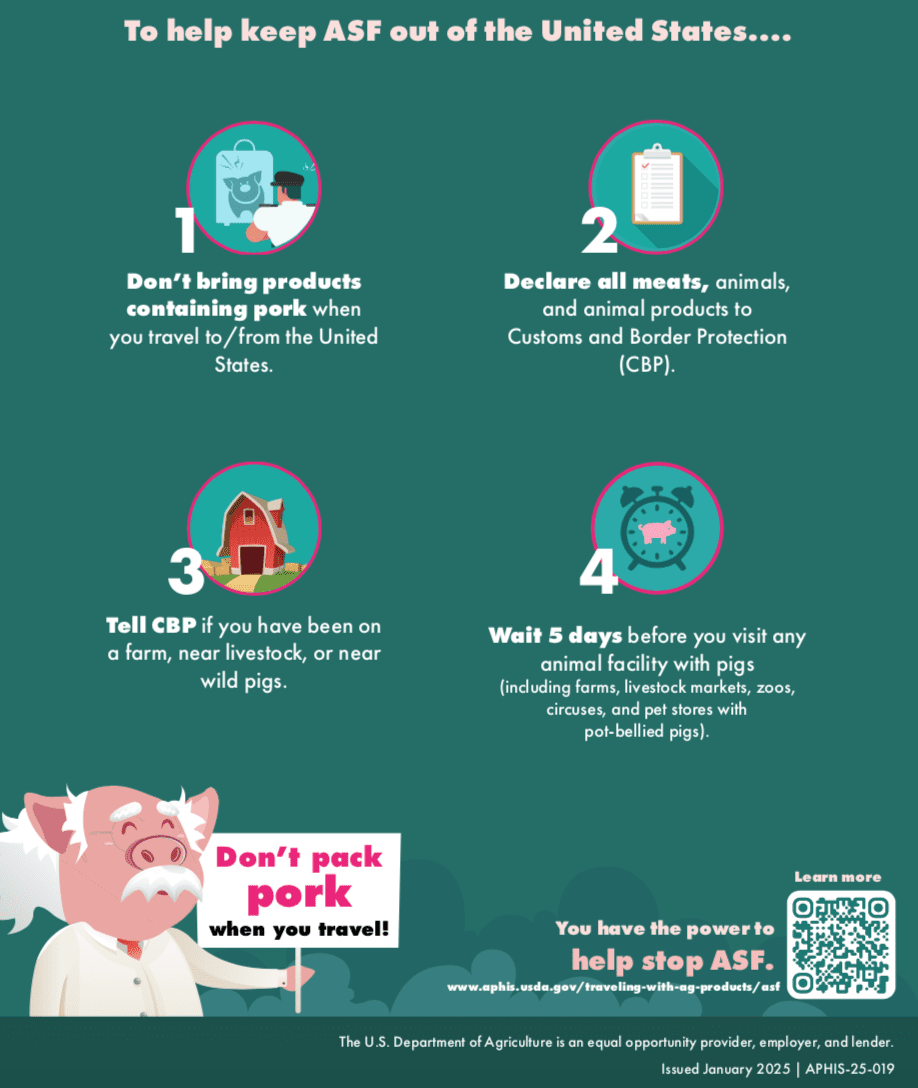
The USDA offered the following suggestions: “Avoid any contact with pigs. If you must be around them, clean and disinfect your clothing and shoes before coming home. Wait at least five days after returning from a trip before visiting any farms, petting zoos, or locations with pigs.”
How Can Travelers Avoid Transporting ASF During Spring Break?
In addition to any potential interactions with swine during spring break, the USDA provided guidance while traveling, stressing the importance of not packing pork products.
“When traveling between Puerto Rico, the U.S. Virgin Islands, and the U.S. mainland, don’t pack or ship pork products of any kind,” the USDA advised. “Present all food and other agricultural items to the USDA inspector at the airport before you leave Puerto Rico or the U.S. Virgin Islands.”
For travelers headed back to the U.S. mainland, Rivera-Garcia emphasized that pork products are a major concern at ports of entry such as airports.
“Most pork products are prohibited to travel with. This includes some cooked products, raw products, and preserved products,” Rivera-Garcia said.
She stated that travelers can review USDA guidance to understand what is prohibited and what may be allowed under limited exceptions.
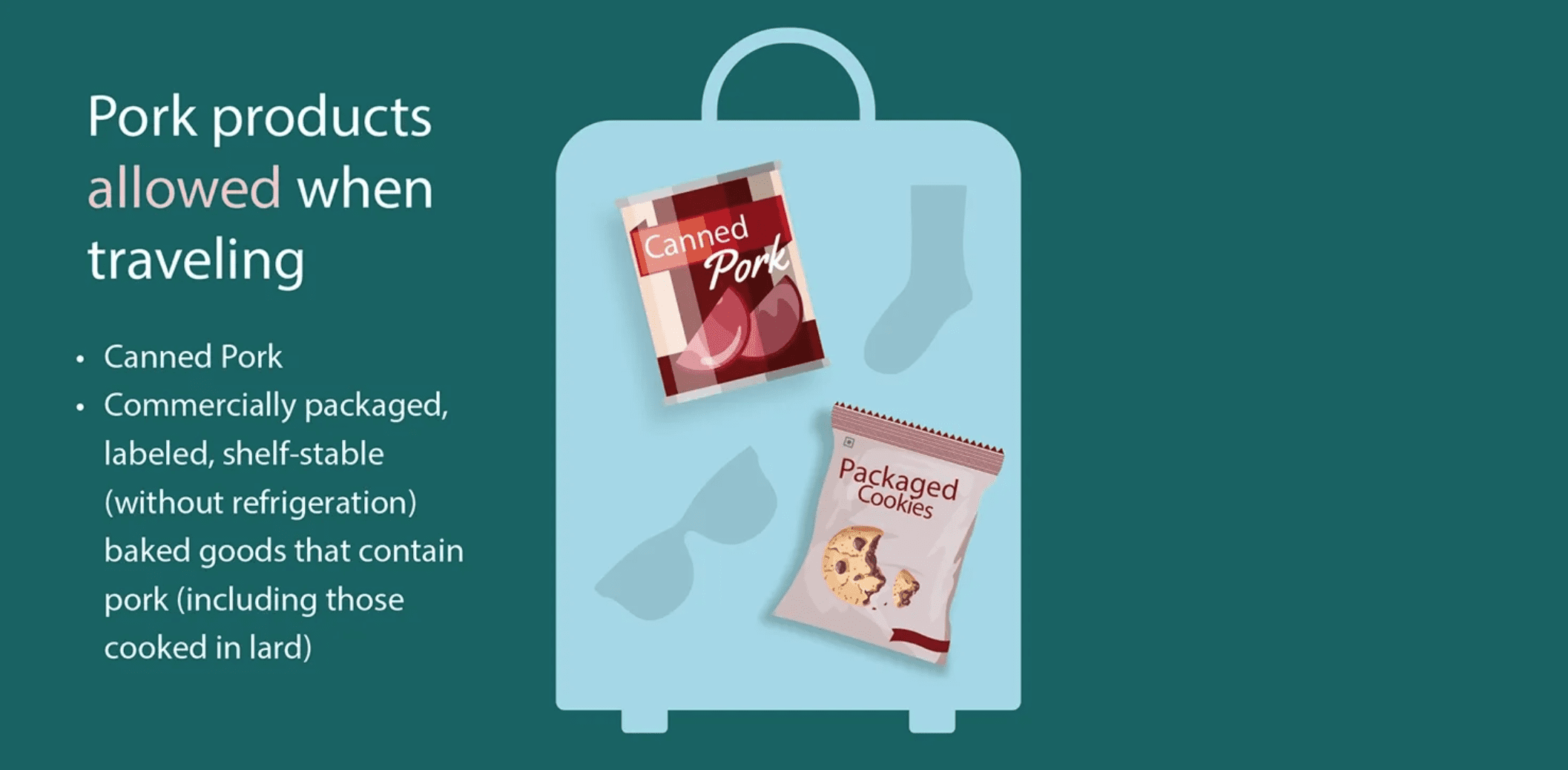
“The recommendation is to not pack any pork products, but if an individual has an interest in traveling with a specific product in particular, they can go to the USDA website, and they will be able to find a whole list of products that are prohibited and the ones that are exceptions.”
Declare Food Items at the Airport
Rivera-Garcia emphasized that travelers should notify officials at airports if any contact with swine has occurred, and that any pork products or other agricultural items should be declared.
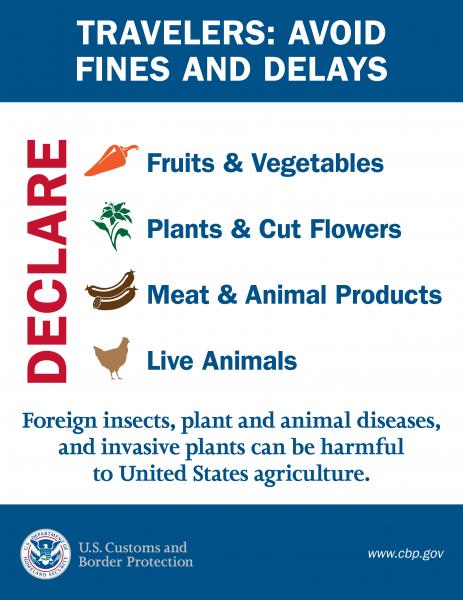
She also encouraged travelers to be up-front with U.S. Customs and Border Protection about where they’ve been, what they’ve interacted with, and what they’re carrying.
“When visitors head back to the United States or the U.S. territories, we have to make sure that when travelers go through U.S. Customs and Border Protection, they declare if there have been interactions with pigs. Whatever passengers might bring in terms of food to the United States must be declared when they get to the airport to those officials at the U.S. Customs and Border Protection.”
If travelers are unsure whether an item is allowed, she said they should still declare it.
CBP generally advises travelers to declare agricultural products, including meats and other animal products, when entering the United States. More information is available on CBP’s official website.