

The University of the Virgin Islands will host an interactive community workshop on Saturday, Jan. 24, offering residents a hands-on introduction to the science of coral restoration.
Organized by graduate students Chloe Camacho and Alexandra Stevenson, the “Marine Biologist for a Day” event invites participants to work alongside researchers at UVI’s MacLean Marine Science Center on the Orville E. Kean Campus on St. Thomas from 10 a.m. to 12:30 p.m.

This pilot event is designed to make coral restoration more accessible and to strengthen the bridge between scientific research and the community that lives alongside the reef. With only 15 spots available, the workshop emphasizes hands-on learning and values local residents’ knowledge, especially that of fishers.
The project was born from a shared commitment to inclusive, community-driven science. Chloe Camacho, a St. Croix native and UVI graduate student in Marine and Environmental Science, was motivated by conversations with community members. “Growing up in the Virgin Islands, I have always wished for more transparency with the projects happening here. When designing my research, I wanted to involve my community because this work is happening in all of our backyards. We heard people say they wanted to help but didn’t know how or weren’t divers. This event is a direct response to that,” Camacho said.
Alexandra Stevenson, a Ph.D candidate in Integrated Coastal Sciences at East Carolina University, brings a focus on social equity to the partnership. “From my background in environmental anthropology, I see restoration not just as an ecological effort, but as a community process. Being on the ground this Summer, I realized how accessible restoration work can be. For these projects to be sustainable, they have to reflect local needs and create real opportunities for hands-on involvement,” says Stevenson.
Supported by a student challenge grant from the Strong Coasts Initiative, their collaboration seeks to blend rigorous research with meaningful public participation. The workshop is built on the principle that local and fishing knowledge is essential to successful restoration. In practice, this means creating a two-way exchange. “There is so much knowledge that Virgin Island locals and fishers have from working on the water, and so much that scientists have learned through research. Through collaboration, we can create a unified approach, Camacho said.
Participants will be compensated for their time, a deliberate choice to demonstrate the value placed on their participation and insights. “Valuing local knowledge means creating space for people to learn by doing and to share what they already know. We’re interested in why people choose to participate, what restoration means to them, and what questions they have based on their lived experience,” Stevenson said.
For those with no prior marine experience, the workshop is designed to be engaging and approachable. Attendees will rotate through interactive stations at UVI’s Center for Marine and Environmental Studies and the Reef Response Land-Based Coral Nursery.
Activities will include a crash course in land-based coral husbandry, practicing coral fragging (propagating corals), and a simulated coral outplanting. A scuba gear station will help both children and adults understand the tools used in underwater restoration.
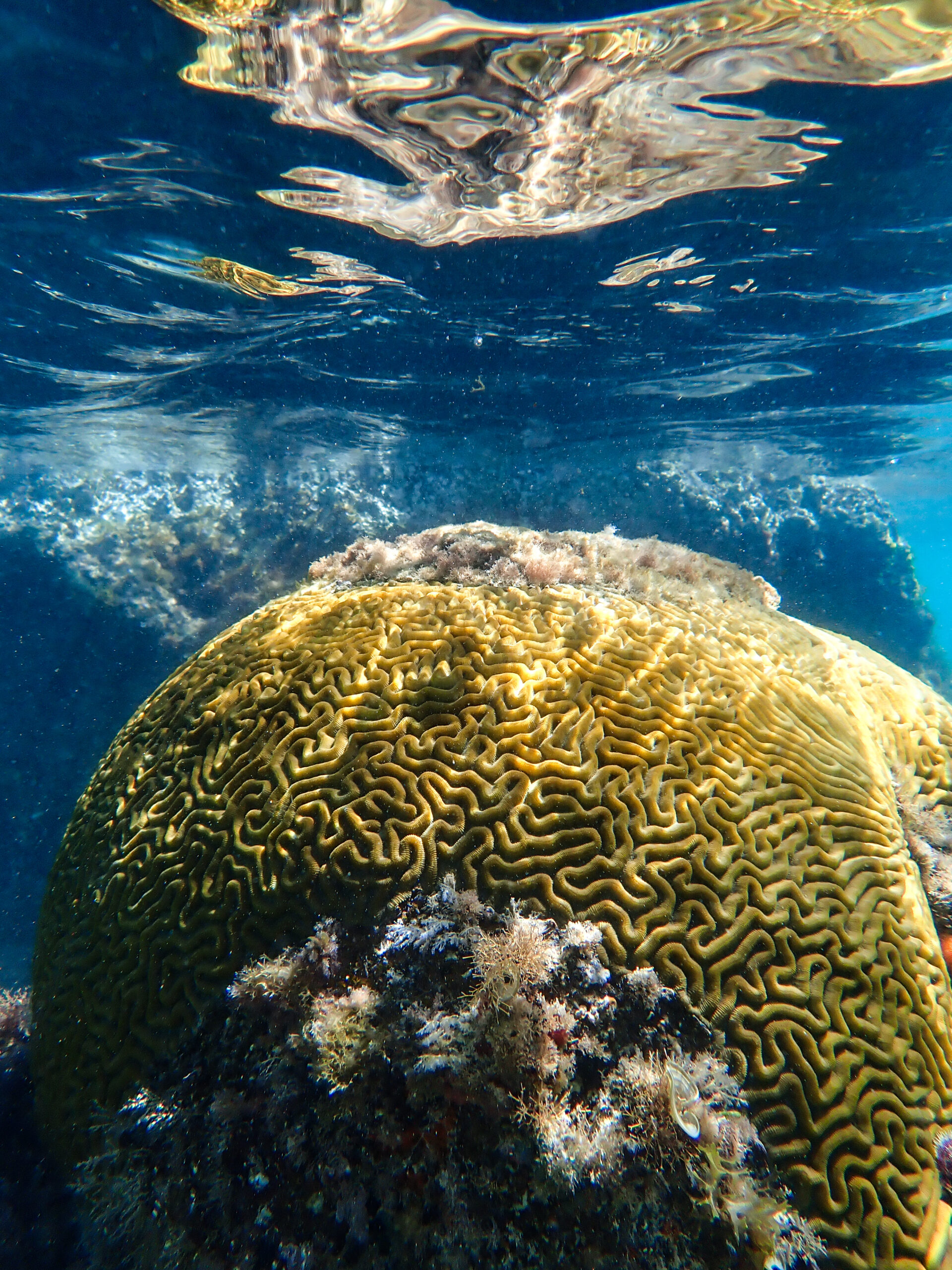
The stakes are high for the territory. Coral reefs are ecological and cultural cornerstones; they protect coastlines, support fisheries, and are woven into community traditions. “The USVI is a coastal community that directly relies on the health of its marine ecosystems. I have fond memories of beach parties and swimming with my family. We restore reefs so future generations can create their own memories instead of having to hear about how things used to be,” Camacho said.
“It’s also a cultural issue. These reefs are central to how people connect with the ocean. When reefs decline, it affects livelihoods, practices, and ways of life that have been part of the islands for generations,” echoes Stevenson. This event is a research pilot with ambitions beyond a single day. The insights gathered will directly inform Stevenson’s dissertation and serve as a template for broader application.
This event is free, with preferences given to U.S. Virgin Islands residents. To ensure a quality experience, participation is limited to 15 individuals. Twelve spots remain open. Snacks and refreshments will be provided, and all materials will be supplied. Attendees should wear comfortable clothing and shoes for light walking. Parking is available along the road leading to the MacLean Marine Science Center on the UVI Campus.
Registration is required and can be completed here.