


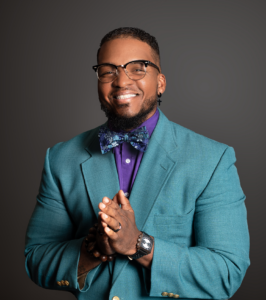
 In his biweekly column, Langley Shazor speaks to issues important to men within the territory.
Another young brother dead (and in some recent cases, young sisters). Another mother weeping. Another t-shirt printed. Another post on the timeline with praying hands and broken hearts. Gun violence in the Virgin Islands has turned our streets into memorials and our mornings into mourning. It’s become too familiar, too normalized, too routine. We scroll past these losses like they’re just another update. We go to funerals, shake our heads, and say the same lines: “Gone too soon. Such a good kid. Something’s gotta change.” We ring the bell of disapproval from leadership down to the street, and express our concerns in press releases, radio appearances, and emotionally heightened commentary. Only to do it all over again, too frequently.
I never want to diminish the impact that gun violence, domestic violence, acts of passion, and gang violence have on our communities. Unintentional, unexpected, and unwarranted loss of life has not only become too common but also too accepted. But, while bullets take some of us quickly, there’s another kind of death happening all around us that is quieter, slower, but just as deadly. I believe wholeheartedly that this death is at the foundation of our issues and is seeing it reverberated in our actions. Brotherhood is dying. The kind that uplifts. The kind that calls you out when you’re slipping and helps you recover from whatever has been happening. The kind that tells you to take care of your mental health, to go home to your family, to forgive, to let go of beef, to put down the pride and pick up the phone. The kind that doesn’t wait until your funeral to say, “That was my boy.”
We’ve lost something. I’m not simply talking about the lives lost to gunfire and the seemingly endless stream of retaliatory violence; I’m talking about the emotional and spiritual death happening among men every day. We don’t know how to be brothers anymore. We acknowledge each other as “bro, fam, cuz, blood” and any other array of terms of endearment, yet we aren’t endearing. We know how to dap each other up, say “good morning, good afternoon, good night”, but overlook someone in distress. We know how to make plans for carnival, with many of those plans being of a violent nature. We know how to share memes and talk sports. But when it comes to checking in, really checking in, we fall silent. When it comes to saying, “I see you’re not okay,” or “I miss you, man,” or “I love you”, we retreat. We joke through pain. We ghost when it gets heavy. We isolate when we need support the most.
That disconnection doesn’t come out of nowhere. We were raised to survive, not connect. We were told to be strong, not soft. To hold it in, not let it out. So, we built up walls, and we called it protection. We pushed each other away, and we called it independence. But what it really did was leave us alone, and lonely; and lonely men are dangerous. Not always in the obvious ways. Sometimes the danger is in the bottle, in the rage, in the depression, in the silence, in the decision not to reach out when everything’s falling apart. The irrational choice to self-destruct rather than seek help. It is perpetuating the belief that needing support makes you weak, that only “real men” pick themselves up by their bootstraps, do some push-ups, and keep on pushing. I know pressure of this belief system because this is how I was raised. As I talk about in my book “Baby Daddy: Changing the Narrative”, I ruined many relationships of all types from this ideology.
Brotherhood is supposed to be the net that catches you before you hit the ground. But too many of us are walking around with no net. No circle. No parachute. No Wolf pack. No one we can call at 2 AM. No one who really knows what’s going on beneath the surface. And when we don’t have that, we self-destruct. We implode, or we explode. To add to this destruction of self and others, the kids watching us think this is what manhood is. They think being a man means being alone, emotionally unavailable, and always one bad day away from doing something irreversible. This is obviously detrimental to young men as they attempt to navigate life. However, it is equally damaging to young women who idolize this “bad boy” image and choose a broken man repeatedly. They are also unable to reconcile themselves to accept and value a healed man because they, too, have never seen what one looks like. And we are unable to show them on a large scale.
I’ve been thinking about what we used to have, those old heads who would pull you to the side and tell you when you were acting foolish. The cousins and uncles and big brothers who didn’t just hang with you but invested in you. The men who didn’t care about being liked, just about you being alive and aligned. That kind of brotherhood wasn’t perfect, but it was present. It was love, even when it was tough. And now? Now we’ve got followers, trauma bonds, and group chats full of banter but no substance. We know how to celebrate, but not how to grieve. We know how to gather, but not how to go deep.
But it’s not too late.
We can still choose to be better brothers. We can decide today to stop letting pride keep us disconnected. We can choose to reach out instead of retreat. We can create space for honesty, even when it’s uncomfortable. We can ask our friends real questions. We can hold space for tears, for therapy, for truth. We can break the silence before another brother is buried, physically or emotionally.
Brotherhood is dying and if we don’t do something now, we’ll be the last generation to know what it ever felt like to be held, challenged, and carried by men who loved us enough to stay close and stay real. But we can revive it. We can build it again, from the ground up. With presence, with purpose, with vulnerability, and with love.
Before another name is etched into a shirt. Before another mother has to plan a funeral. Before another brother disappears in plain sight.
Let’s bring brotherhood back to life.
Langley “Casual-Word” Shazor is a poet, author, publisher, entrepreneur, public speaking coach, podcast host, and pastor who is an advocate for youth and men. His goal is to enlighten, empower, and liberate those who are silenced, marginalized, and enslaved to self-destructive thoughts and behaviors. Visit thecasualword.com.
Editor’s Note: Opinion articles do not represent the views of the Virgin Islands Source newsroom and are the sole expressed opinion of the writer. Submissions can be made to visource@gmail.com.