

Powerful earthquakes struck Venezuela on Wednesday evening, including one near the country’s Caribbean coast, briefly triggering a tsunami advisory for Puerto Rico and the U.S. Virgin Islands before the advisory was canceled.
The U.S. Geological Survey listed a magnitude 7.5 earthquake in Venezuela at 6:05 p.m. AST Wednesday. A USGS ShakeMap identified the quake as centered about 16 kilometers southwest of Morón, Venezuela, about 100 miles west of Caracas.
USGS also listed a magnitude 7.1 earthquake near the coast of Venezuela at 6:04 p.m. AST. Earthquake details can change as additional seismic data is reviewed.
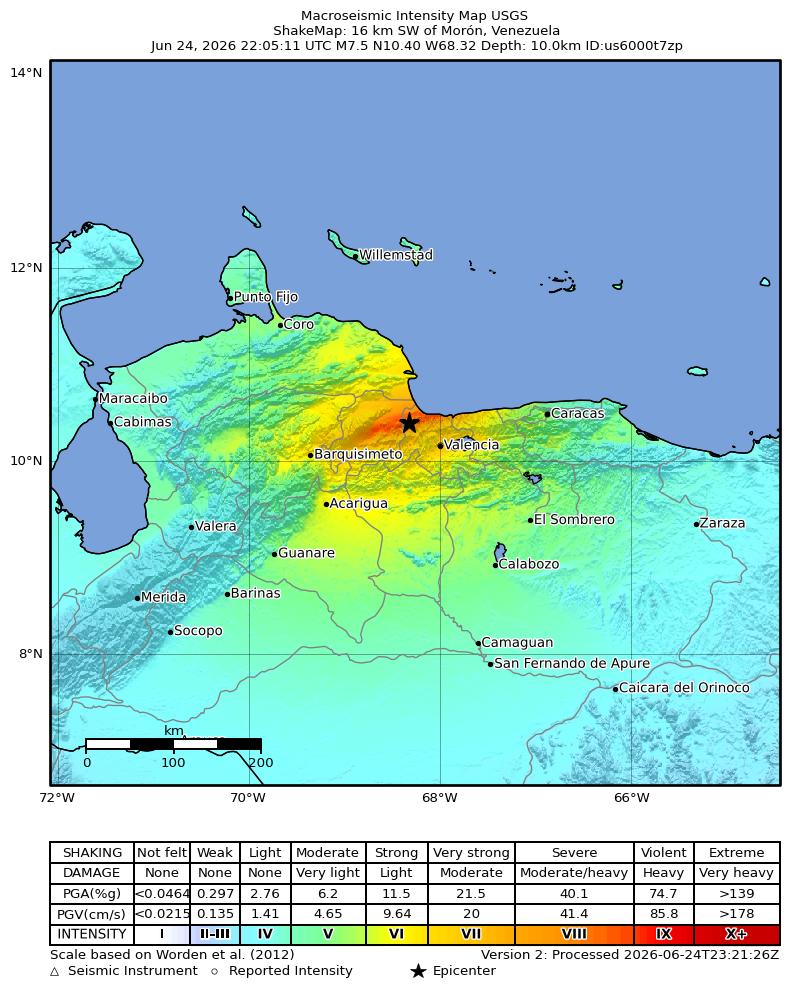
Preliminary reports show damage across some areas, including Caracas, the capital of Venezuela.
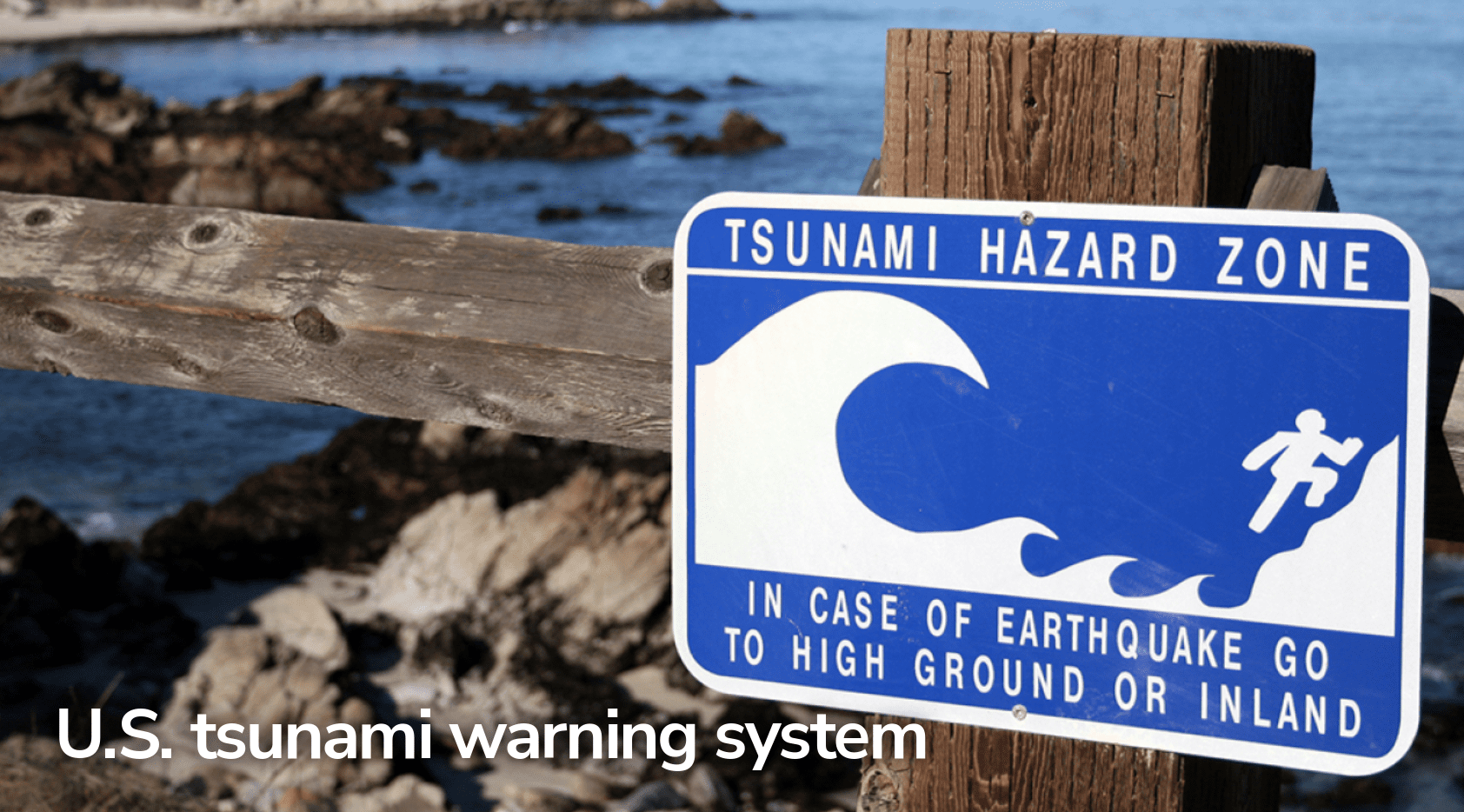
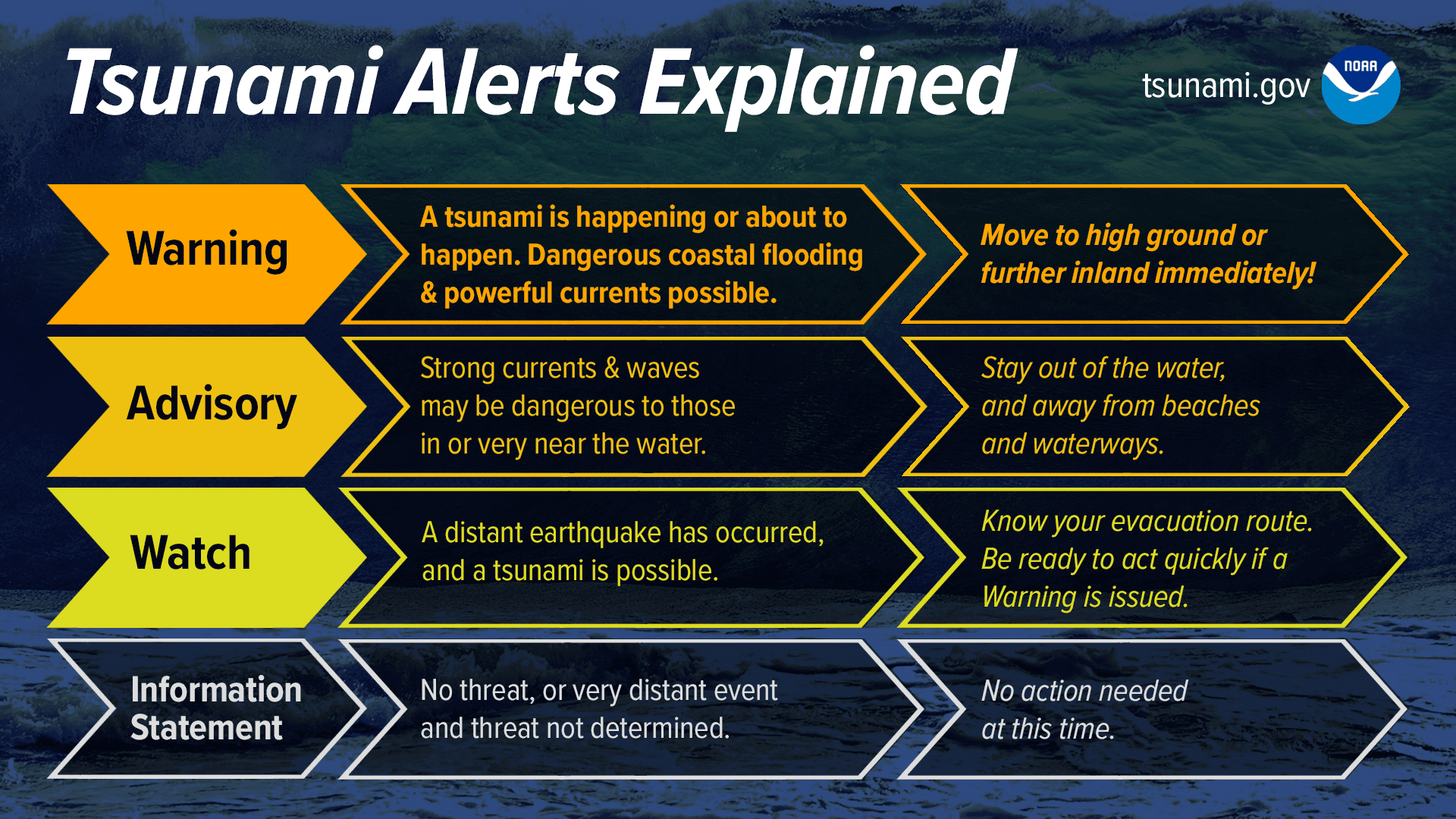
Based on the initial information from the earthquake, a tsunami advisory was issued for coastal areas of Puerto Rico, the U.S. Virgin Islands and the British Virgin Islands because of the possibility of sea level variations and strong ocean currents. The advisory was later canceled.
The U.S. Tsunami Warning Center had initially said there was a possible threat of “sea level fluctuations and strong ocean currents that could be a hazard along coasts, beaches, in harbors, and in coastal waters.”
Earthquake and Tsunami Information
A previous Source article shared information about the threats to both U.S. territories caused by earthquakes and tsunamis, noting that the islands are positioned in an active seismic zone:
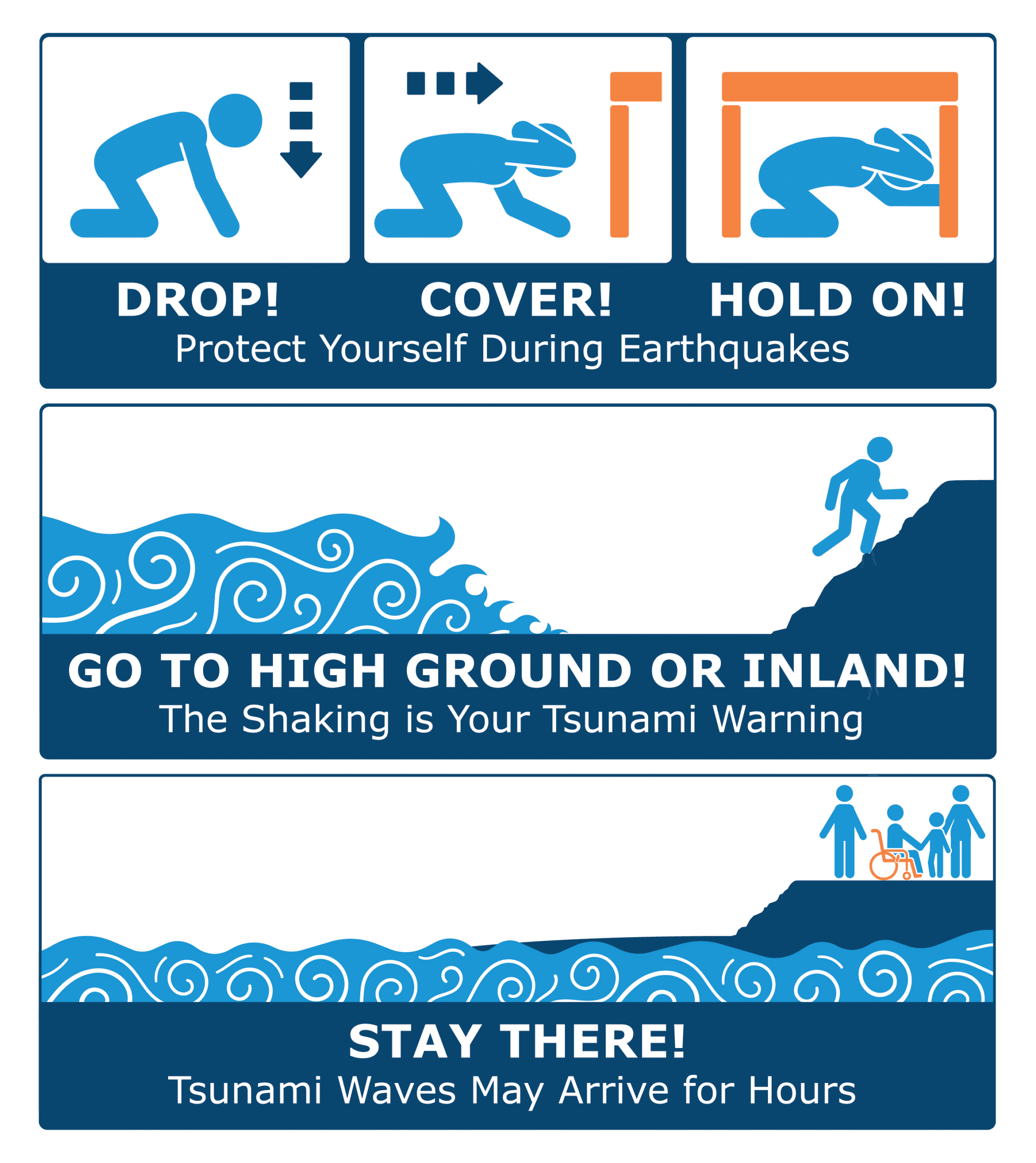
“During an earthquake, it is critical for people to ‘Drop, Cover, and Hold On’ to protect themselves,” said Elizabeth Vanacore, PhD, a seismologist and a researcher at the Puerto Rico Seismic Network (PRSN).
“If you are driving your car [during a] small [seismic] event, you might not perceive the earthquake,” she explained. “However, if there is a larger event, recommended actions become situational. For instance, if you are in a safe area without electric poles or trees, then you should come to a stop, pull the handbrake, and protect your head with your arms,” Vanacore cautioned.
Vanacore encouraged the public to get involved in drills and exercises that are intended to familiarize residents and visitors across the region to be ready in the event of an earthquake or a tsunami.
“Understanding the hazards due to earthquakes and tsunamis in the region is constantly improving thanks to efforts of scientists and emergency managers both in the USVI and Puerto Rico,” Vanacore declared. “Relationships across the islands are critical to our continued resilience, [and] while earthquakes and tsunamis cannot be predicted, we can all prepare for them,” she noted.
“[Preparing for quakes] includes participating in activities like [the Great] ShakeOut and Caribe Wave, as well as taking ownership of your own preparedness at home. The PRSN and the Virgin Islands Territorial Emergency Management Agency (VITEMA) have information available to learn about earthquakes and tsunamis, and most importantly, how to prepare for them,” Vanacore recommended.
Weather information is also updated regularly on the Source Weather Page and on the official website of the National Weather Service in San Juan, Puerto Rico. USVI residents and visitors can also sign up for emergency alerts, including earthquake and tsunami notifications, from VITEMA.