


The Senate Health, Hospitals and Human Services Committee on Thursday advanced a bill that would tighten the tracking of school vaccinations in the Virgin Islands and spell out in law which students must be immunized to attend class.
Bill No. 36-0278, sponsored by Sen. Ray Fonseca, was approved on a 6-0 vote with one senator absent and now heads to the Rules and Judiciary Committee. The measure would require doctors, clinics and hospitals to report childhood vaccinations to the Virgin Islands Immunization Registry within a set deadline. It would also formalize the steps parents must take if they seek an exemption from school immunization requirements.
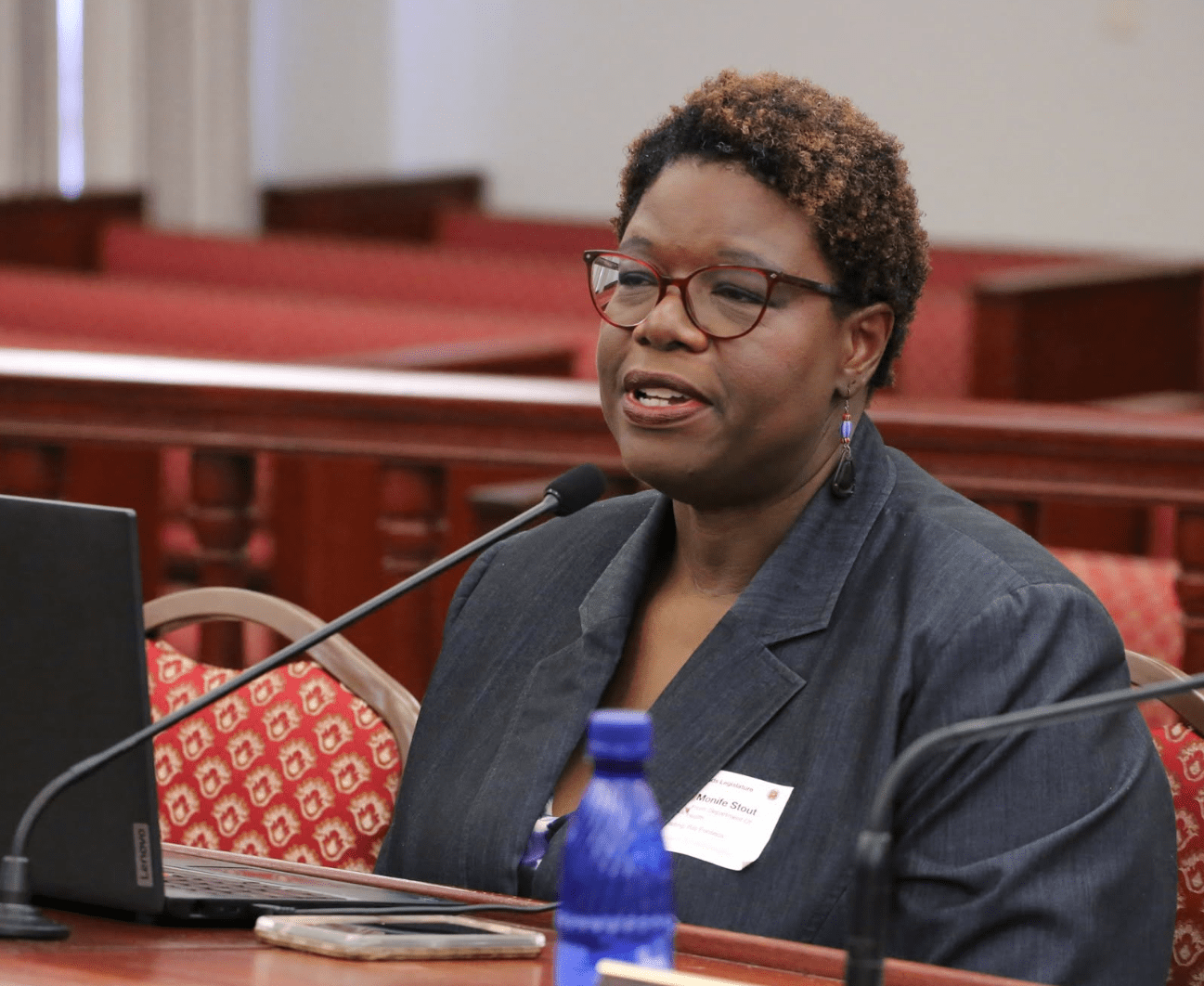
Health officials said the registry already exists and has been rebuilt on a modern platform since the 2017 hurricanes, but not all providers use it consistently. Immunization Program Director Monife Stout testified that 77% of vaccinating providers are enrolled in the registry and only 74% regularly upload data, leaving important gaps in the record.
Health officials told lawmakers the bill is needed because incomplete reporting has left the department uncertain about the vaccination status of hundreds of children. Stout said 820 children born between 2020 and 2025 appear in the system as unvaccinated simply because there is no record of shots, exemptions or refusals for them.

“This creates uncertainty regarding their true vaccination status and highlights the importance of a complete and timely immunization report,” she told senators.
The bill also says providers would be legally required to enter childhood vaccinations into the registry within a set time frame rather than doing so on an inconsistent basis. Health officials said that step, combined with clearer rules on exemptions, is intended to give the department a more complete picture of student vaccination records and improve its ability to respond to outbreaks.
Under current practice, parents may request exemptions for medical, religious or personal reasons. Families seeking exemptions must meet with Department of Health staff, receive counseling on the benefits of vaccination and submit paperwork that is reviewed by the department’s medical director and commissioner. Exemptions must be renewed annually.
Health officials told lawmakers they want to phase out non‑medical exemptions altogether. Their recommendation is to remove both religious and personal‑preference exemptions from the law and limit waivers to children who cannot safely receive vaccines for documented medical reasons. That suggestion sparked the sharpest exchanges of the hearing, as senators tried to balance public‑health concerns with religious and parental rights.
Sen. Marvin Blyden, who called the legislation “a no-brainer,” said he was uncomfortable with eliminating religious exemptions. “I understand the importance of being vaccinated, but when it comes to religion, I don’t think we want to go there or touch that,” he said.
Sen. Alma Francis Heyliger similarly emphasized parental choice, arguing that families who oppose vaccination should retain the ability to opt out. “I don’t want to be one of those that take away people’s rights,” she said.
Committee Vice Chair Sen. Hubert Fredrick also questioned whether the government should remove that option altogether. “If they feel that this is a little too intrusive for them and their children, I think there should be a provision in there to allow them to opt out,” he said.
Senate President Milton Potter likewise expressed skepticism about eliminating religious exemptions, noting that most states continue to allow them.
Sen. Kurt Vialet, who said he intends to support the bill, argued that exemptions should be more closely scrutinized to ensure they are based on genuine religious beliefs rather than being used as a “way out” of vaccination requirements. He said he would like to strengthen the bill’s language while still protecting individual rights and guarding against the return of preventable childhood diseases such as measles.
Stout said her recommendation to phase out nonmedical exemptions is rooted in data from other jurisdictions showing that vaccination rates improved after eliminating religious exemptions. She cited information presented at a national immunization summit indicating that states such as California, Maine, Mississippi, New York and West Virginia saw “significant improvements in vaccination rates” after eliminating religious exemptions.
Health officials also sought to address concerns about access. They noted that most routine childhood vaccines are available at no cost to eligible uninsured and underinsured children through the federally funded Vaccines for Children program, which operates at 14 sites across the territory.
As Bill 36‑0278 moves to the Rules and Judiciary Committee, lawmakers appear largely united on the need for more complete vaccination records and stronger reporting requirements. The bill the committee approved does not remove religious or other non‑medical exemptions, but whether those opt‑outs should remain available is likely to be one of the measure’s most closely debated issues as it moves forward.