

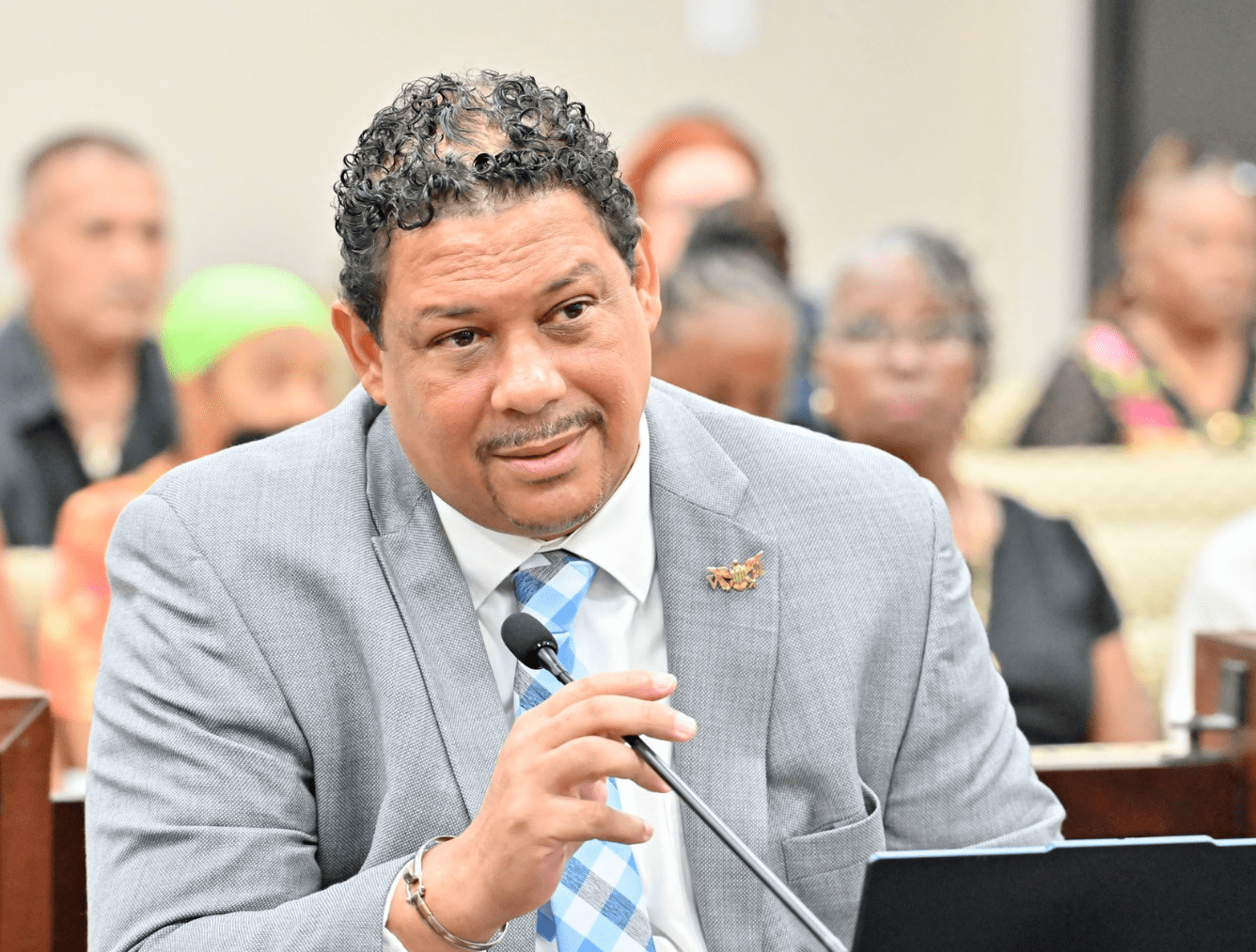
A Senate committee on Thursday heard sharply divided testimony on a bill that would allow small-scale distilleries and breweries in agricultural and low-density residential zones, highlighting a clash between promised economic benefits and environmental and land-use concerns.
Bill 36-0211, before the Senate Disaster Recovery, Infrastructure and Planning Committee, would amend Title 29 of the Virgin Islands Code to define breweries, distilleries, microbreweries and microdistilleries and allow facilities producing up to 100,000 gallons a year in A-1, A-2, R-1 and R-2 zoning districts, subject to approval by the Department of Planning and Natural Resources.
Supporters said the measure would let farmers develop value-added products and agritourism opportunities. Opponents said it could divert scarce farmland from food production, threaten aquifers and coastal waters, and conflict with the territory’s new Comprehensive Land and Water Use Plan.
The bill directs DPNR, in collaboration with the Agriculture Department, to write rules for microbreweries and microdistilleries, including environmental standards for wastewater, stormwater, solid waste, odor and noise. It also requires public notice before such facilities are approved in agricultural and residential zones. Opponents said the measure should mandate full public hearings. Lawmakers noted that in 2022, the Legislature passed Bill 34-0301, repealing language that had allowed rum distillation to be treated as agricultural processing on agricultural land.
Senate President Milton E. Potter, the bill’s sponsor, told colleagues the measure responds to farmers who want to process what they grow. “Across our islands, and particularly on St. Croix, we’ve seen a growing number of small agricultural entrepreneurs who are not simply farming. They are dreaming bigger,” Potter said. “They want to take their sugar cane, their local crops, their creative vision, and produce something of value right here on Virgin Island soil … But what stands in their way is not ambition. It is zoning.”
Department of Planning and Natural Resources Commissioner Jean-Pierre L. Oriol said his department supports the bill’s intent as part of a broader update to the zoning code. “This legislation is not merely about alcohol production. It represents a broader policy discussion about the future of agriculture, rural land use and value-added enterprise in the Virgin Islands,” he said.
Oriol described micro distilleries and microbreweries as “lighter manufacturing or artisanal industrial” uses and said any approvals “must be subject to environmental performance standards, including, but not limited to, wastewater management, stormwater control, solid waste disposal, odor mitigation, noise attenuation, and energy use considerations.”
Attorney Kevin Rames, representing Prosperity Farm, argued that small distilleries tied to local agriculture could help diversify the economy and keep farmland in production. He pointed to Kentucky’s bourbon industry and rum production in Martinique as examples where spirits generate billions in output and support thousands of jobs. “Farmland preservation is not just environmental policy. It is an economic strategy,” Rames said, adding that with limits on production, minimum lot sizes and setbacks from homes, “micro distilleries are compatible with surrounding communities.”
Alice Charles of People Protecting Places urged senators to reject Bill 36-0211, arguing agricultural land should be reserved for food production, not alcohol manufacturing. “Farmland should grow food, not industrial alcohol,” she said. “We do not need any distilleries or breweries on agricultural land with their potential to destroy viable soils and our aquifers,” she said.
Charles said allowing microdistilleries and microbreweries in A-1, A-2, R-1 and R-2 zones would divert scarce land and water from farming and increase the risk that distillation wastewater, known as vinasse, could contaminate soils, groundwater and coastal waters.
Charles pointed to a 2025 Department of Planning and Natural Resources advisory deeming Prosperity Beach unsafe for swimming after bacteria levels spiked following a suspected discharge near Prosperity Farm. She presented photographs of rust-colored runoff she described as “consistent with liquid distillery waste known as vinasse” flowing toward the shoreline and warned that authorizing additional distilleries could spread similar impacts into residential neighborhoods, threatening wells, beaches and tourism.
She noted that lawmakers in 2022 repealed language classifying rum distillation as agricultural processing and said the current bill contradicts that decision and the territory’s Comprehensive Land and Water Use Plan. Submitting a petition with 941 signatures opposing the measure, she told senators, “The people of the Virgin Islands are watching … Please do not sacrifice our islands for a short-term corporate win.”
Several senators said they were unwilling to advance the measure without significant revisions, pointing to ongoing environmental testing, unresolved questions about wastewater and runoff, broader coastal protection concerns, and limited benefits to food security.
“Let’s be clear-eyed about this bill. It does not bring any food security improvement. I don’t see how this bill really adds to food security improvement,” said Sen. Novelle Francis Jr.
“The committee collectively has decided that the bill needs substantial work,” Sen. Kurt Vialet said, adding that lawmakers will merge competing amendments into “one comprehensive bill that addresses the environmental concerns raised … because we think that those environmental concerns are important to make sure that we maintain the quality of life that we presently have on St. Croix.”
Potter, who formally moved to hold the bill, said he believes “the concept of the bill … is a good concept” but warned “the devil is always in the details,” arguing that greater safeguards and a “proper enforcement mechanism” should be codified in statute rather than left to later rules and regulations.
After a marathon hearing focused on where alcohol production belongs in the Virgin Islands and how to balance land use with economic development, lawmakers ultimately shelved the bill. On a 7–0 vote, members agreed to hold Bill No. 36‑0211 in committee at the call of the chair.