


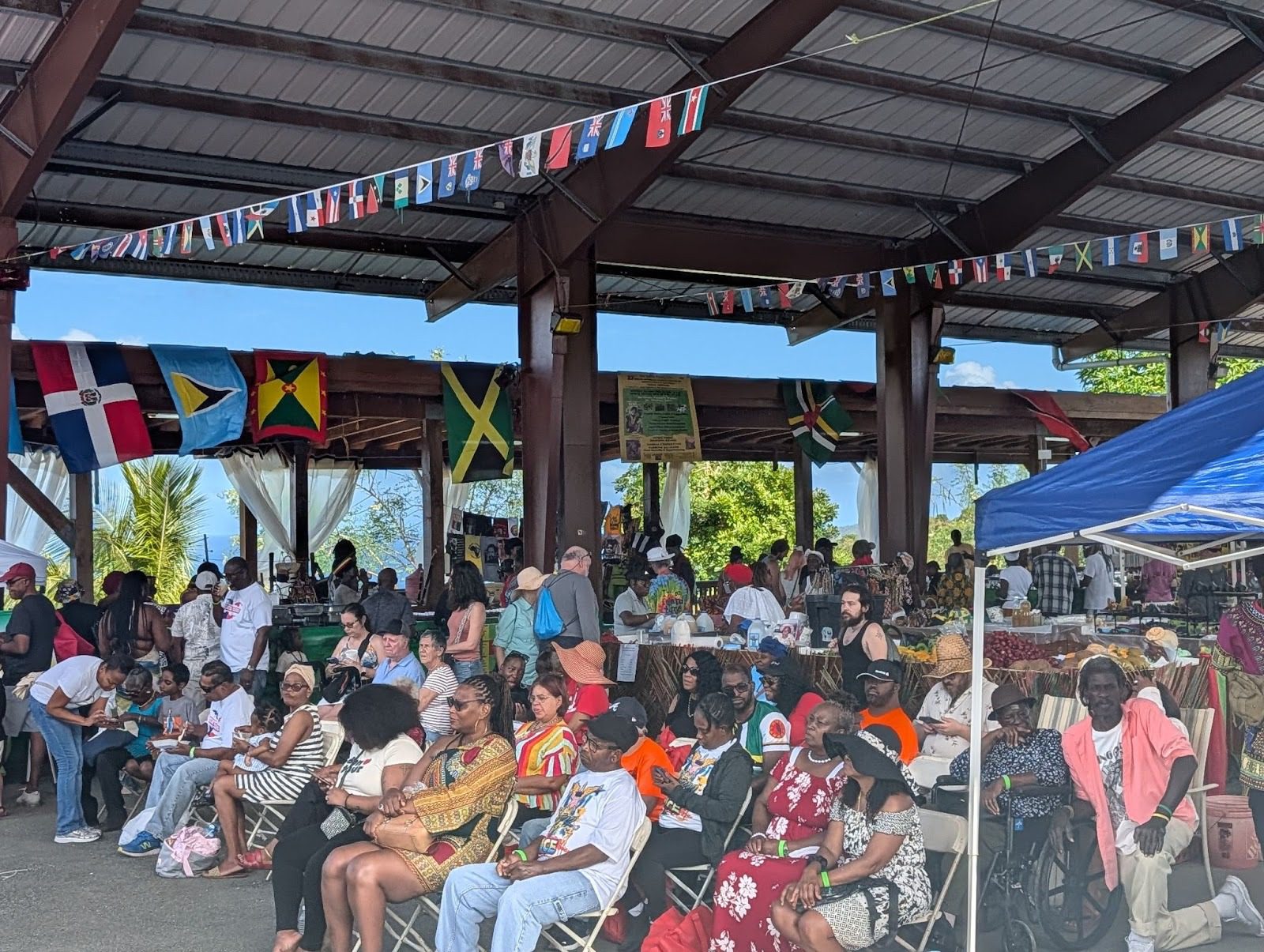
Farmers, community groups, and health advocates gathered Saturday and Sunday in the hills of Bordeaux, St. Thomas, for the 27th annual Bordeaux Farmers Rastafari Agriculture and Culture Vegan Food Fair, celebrating local food production, cultural knowledge, and food security in the U.S. Virgin Islands.
Speakers described the event, held at the Bordeaux Farmers’ Market, as a space to connect farmers with residents, encourage local food production, and share skills, information, and cultural knowledge.
Organized by We Grow Food Inc, the fair featured workshops, live music, cultural dances, and wellness services, bringing together multiple organizations, including the U.S. Department of Agriculture’s Natural Resources Conservation Service, the University of the Virgin Islands School of Agriculture, the Virgin Islands Agriculture Department, the Virgin Islands Conservation Society, Black Sustainability Inc, and AARP.
Sen. Hubert L. Frederick encouraged residents to grow their own food. “We have the best soil, the best climate to grow our own food, and we import 97% of what we eat. If you really want to save money and support our farmers, start planting some of your own food. Every one of us can grow something, whether you live in a housing development or your own home.”
Pamela Toussaint, associate state director of Advocacy and Outreach for AARP V.I., echoed that message. “Any little thing that you can grow,” she said. “Just grow something, anything.”
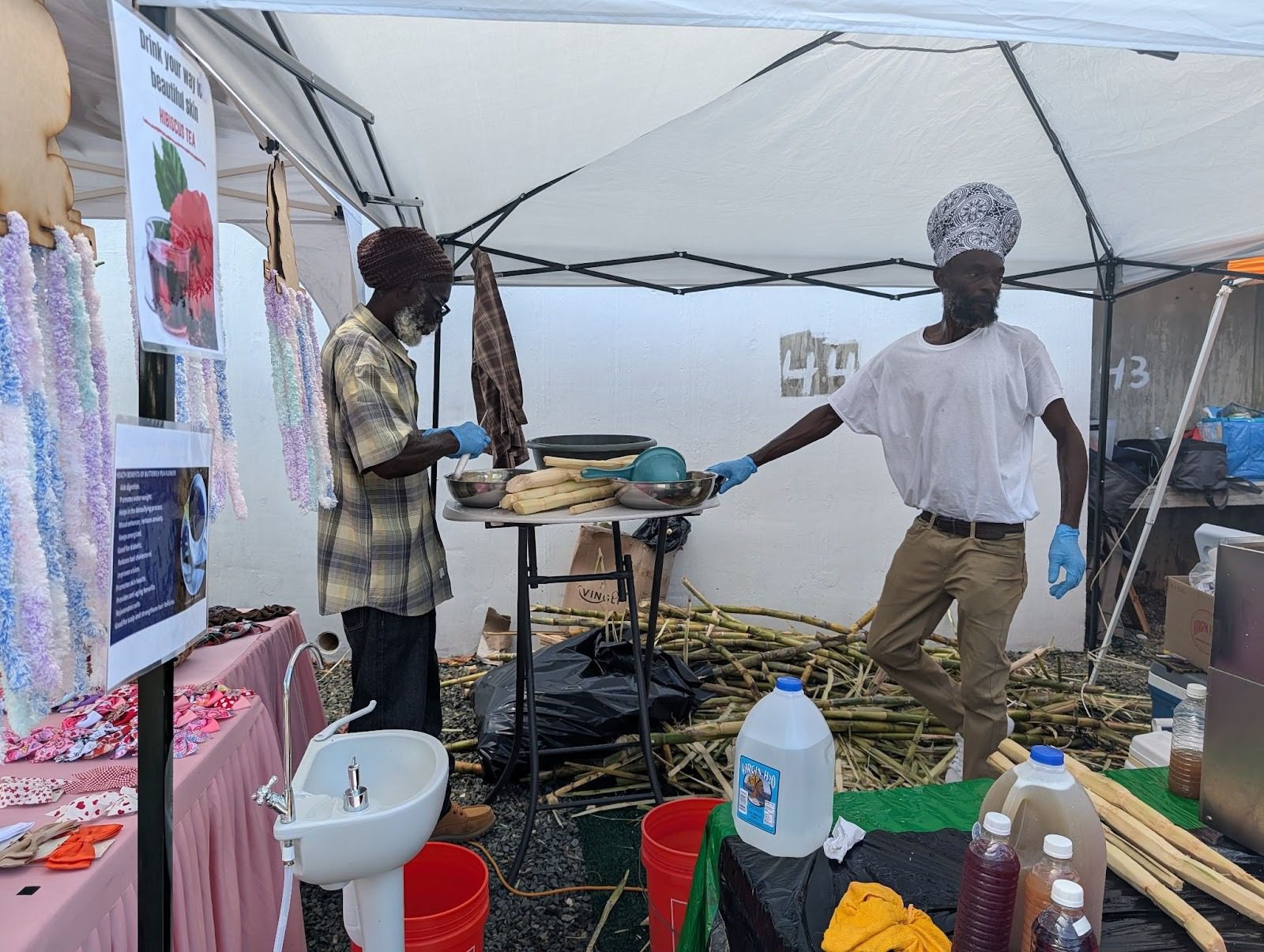
This year’s theme, “In Agriculture, Many Problems to Fix — Support VI Farmers in 2026,” focused on seed security and AfroEcology. Workshops were led by multiple local groups, including Bonnetta Adeeb of the Ujamaa Cooperative Farming Alliance, Que Sera Farms, and Black Sustainability Inc, among others. Participants learned about heirloom seeds, seed exchanges, and non-GMO farming practices, all part of broader efforts to promote food sovereignty in the territory.
Usman Adamu, dean and director of the University of the Virgin Islands School of Agriculture, said the fair reflects the deep connection between agriculture, culture, and community. “This event speaks to the importance of agriculture, food, and culture all combined,” he said. “We are committed to making food available and affordable for the people of the Virgin Islands through the research, outreach, and education we are doing at UVI.”
Adamu noted that UVI fulfills that role as a land-grant institution through research, extension services for farmers, and academic programs. The university currently offers 16 agriculture-related programs and seeks to ensure young people in the Virgin Islands know these opportunities exist locally. “They don’t have to leave the territory to pursue a career in agriculture,” he said, noting strong job demand in the field and calling it “the right time” for students entering agricultural careers.
Several booths highlighted local environmental initiatives. Zenobia Howe, Pollution Prevention coordinator for VI Clean Coasts, and Sienna Gray, deputy director and VI Clean Coasts Program director at the Virgin Islands Conservation Society, said they were at the fair to engage with the community, especially local restaurant owners, and share details about a VI Clean Coasts initiative offering up to $3,500 in seed funding to help businesses reduce waste and adopt more sustainable practices.
At a nearby booth, Ariel Doty and Raina Turner‑Greenlea, with Black Sustainability Inc., said they were in Bordeaux to support Afro‑ecological work and connect people working on similar sustainability projects. Turner‑Greenlea called the fair “a beautiful way to have cultural heritage mixed in with environmentally friendly components, making sure that the community is really engaged and informed, as well as having a good time.” Black Sustainability Inc. is a nonprofit that mobilizes and connects sustainability practitioners and communities of African descent through a global network and promotes culturally relevant ecological education and collaboration.
Dr. Jen, from Paradise Chiropractic and Wellness Center, said produce from the fair is often grown without pesticides or genetic modification and tends to have higher nutritional value than imported food. “These farmers are putting their heart and soul into it,” she said. “It’s important for us to guide our patients to these local vendors so they can build a community of resources outside the clinic.”
Ras Amaha emphasized the value of fresh, locally grown ingredients that don’t require preservatives for shipping. He added that the fair also teaches practical skills residents can use at home. “People should come to practice the things we demonstrated, like bread baking and preparing food without electricity,” he said, noting the challenges after hurricanes when power outages make cooking difficult. “Everyone needs to eat.” Amaha also highlighted cultural aspects of the event, including youth activities and a concert featuring local music and dance.
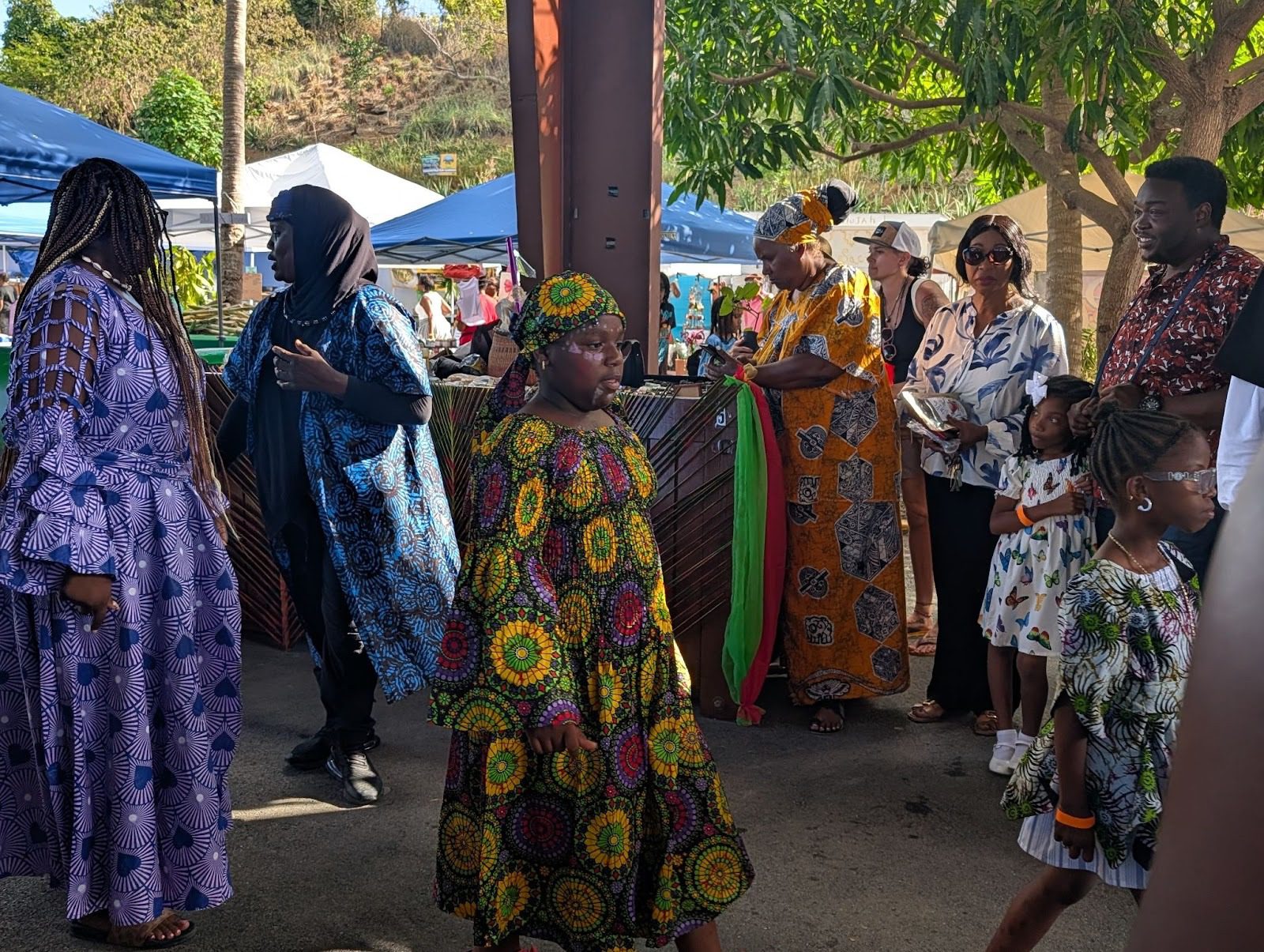
The Youth and Family Activity Center offered hands-on experiences in planting, clay play, coloring, basket weaving, and Bamboula workshops led by Sistah Irieah Maria Aurora Stiles. Families engaged in educational and cultural activities while learning about sustainable farming and local food practices.
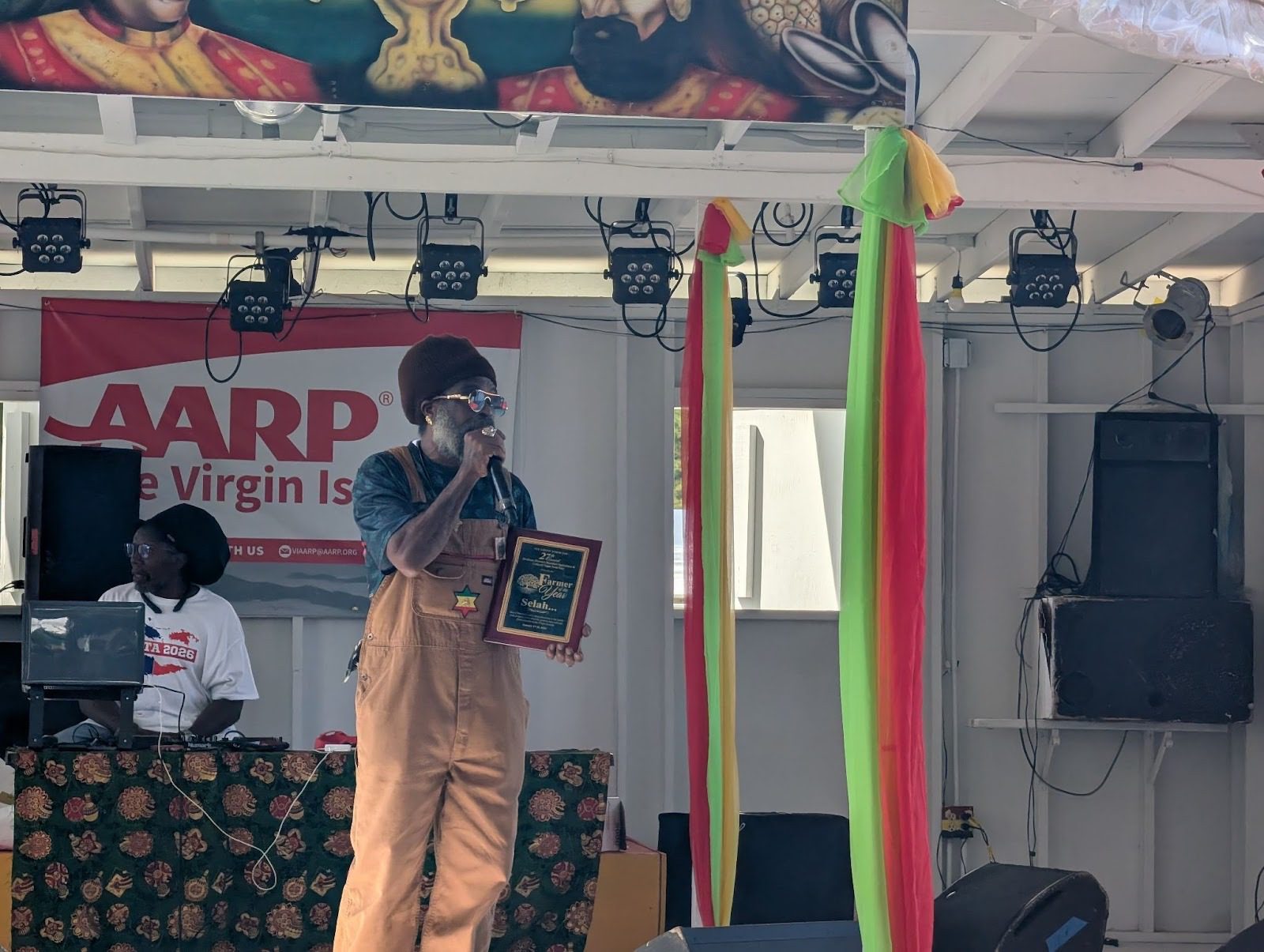
Ras Selah, the year’s Farmer of the Year, said the turnout and interest in healthy eating were encouraging. “A good turnout, a lot of people are interested in eating healthy and seeing the ways around eating healthy,” he said. Selah urged the community to rally around local agriculture and embrace traditional growing practices. “We need to come together and work on our agriculture infrastructure. We need to eat healthy.”
Overall, the 27th annual Bordeaux Farmers Rastafari Agriculture and Culture Vegan Food Fair highlighted the deep connection between food, culture, and community in the Virgin Islands. From workshops on seed saving and sustainable farming to hands-on activities for families, local music, and artisanal vendors, the event offered residents a chance to learn, celebrate, and support local agriculture.