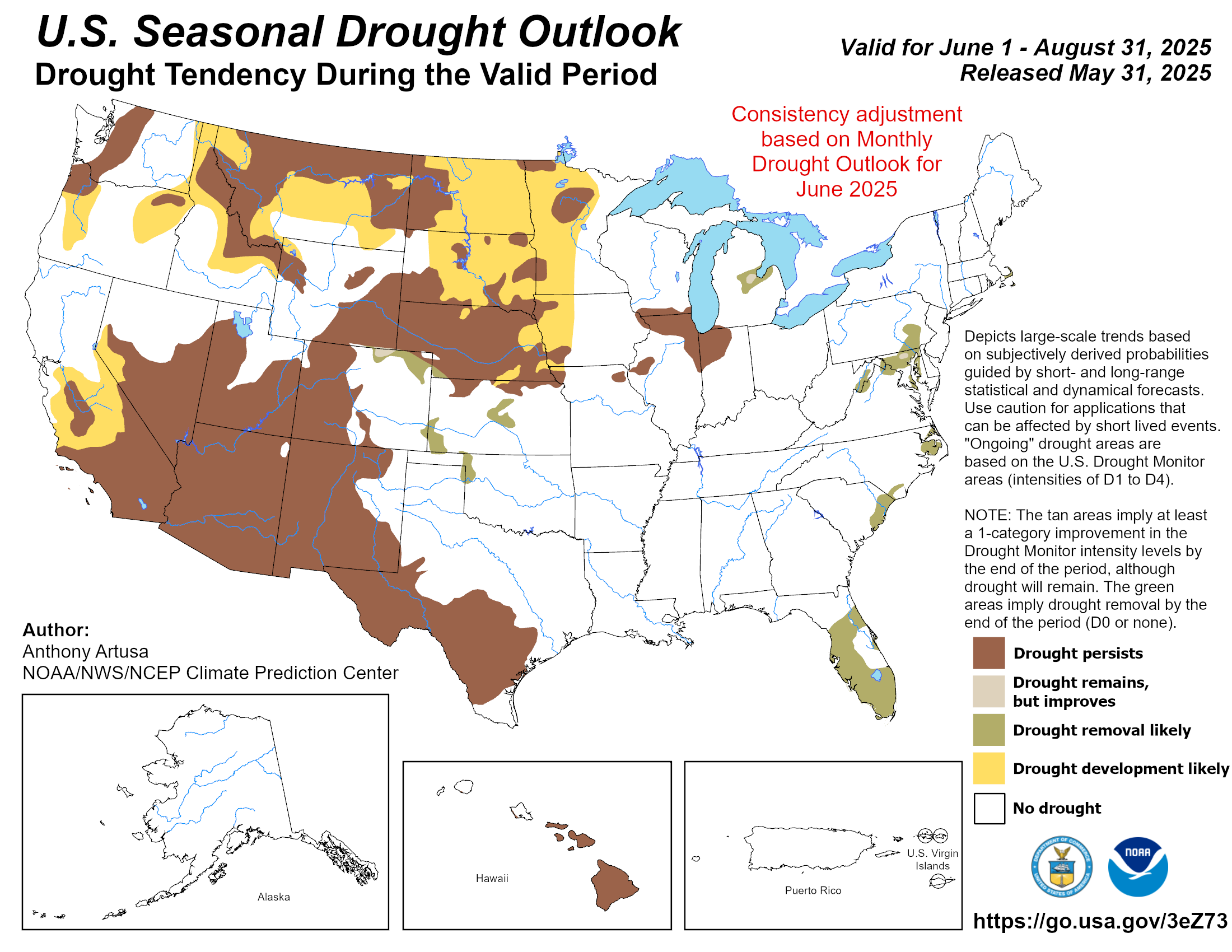

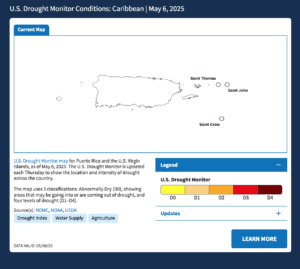
Recent rainfall across the region has kept the Virgin Islands and Puerto Rico free of drought, with no immediate concerns for drought development. The wet weather has also led to lifting burn bans across the U.S.V.I., except on Water Island, where restrictions remain.
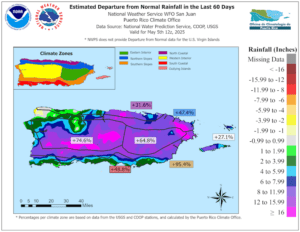
“The islands received a significant amount of rainfall as the early wet season unfolded,” according to information contained in an update released on May 8 the National Integrated Drought Information System, the National Oceanic and Atmospheric Administration, and numerous partners, including the U.S. Department of Agriculture and the University of the Virgin Islands.
Plentiful Precipitation Across the U.S.V.I. and Puerto Rico in April
Atmospheric conditions throughout April created favorable conditions for abundant rainfall. The NIDIS report provided details about the rainfall collected across the region, noting that drought conditions are unlikely to develop anytime soon.
“Puerto Rico and the U.S. Virgin Islands have been drought-free since late April 2024 and late February 2024, respectively,” the NIDIS explained. “The onset of the early wet season brought an astonishing amount of rainfall to the territories. In just a 16-day period, areas in the mountains of Puerto Rico collected over 20 inches of rainfall, (and) the rain was so widespread that every location in the islands is currently showing a surplus in precipitation,” the NIDIS stated.
“Rainfall amounts are well above normal in the Virgin Islands, too, based on data collected from the Community Collaborative Rain, Hail and Snow Network, which is keeping the soils wet and the vegetation healthy,” the NIDIS stated. “Charlotte Amalie Airport recorded its fourth wettest April on record with 6.37 inches, which is nearly three times its expected monthly total. The groundwater levels in the U.S. Virgin Islands improved, too. To view U.S. Geological Survey (USGS) monitoring well levels, visit the USGS Virgin Islands water conditions page.”
“Currently, there is no concern for any of the major water reservoirs, fire ignition, or vegetation stress,” the NIDIS noted. “However, water levels in wells in south-southeast Puerto Rico have not improved with the recent rains,” the report added.
Rainfall Impacts Across the Local Region
The report detailed the overall impacts of the heavy precipitation on both U.S. territories, noting issues such as isolated flooding, road erosion, and ponding on roadways. It also provided an in-depth look at agricultural effects, with farmers and agriculturalists reporting benefits and drawbacks. While the rain supported some crop growth, it also led to problems such as soil erosion, increased pests, and weeds.
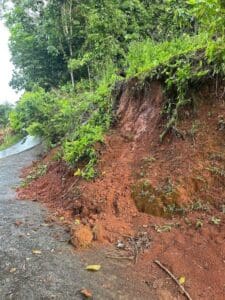
The following information was shared regarding the overall effects of the rainfall:
“Puerto Rico Impacts: An extremely wet period led to flood, flash flood, and landslide impacts for a large portion of Puerto Rico. Even though the south-southeast coast of Puerto Rico also received rain, it was not enough to replenish groundwater across these regions,” according to the NIDIS report.
“U.S. Virgin Islands Impacts: Farmers in the USVI appreciated recent rains that left the USVI wet. Currently, there is neither dryness nor drought. Regular rainfall improved groundwater levels on St. Thomas and St. Croix in the USVI, while St. John has had intermittent rain with less groundwater improvement. Sporadic rain continues to saturate the soil. In agricultural areas on St. Thomas and St. Croix, impacts of erosion are ongoing, with Bordeaux farmers on St. Thomas reporting some roads impassable due to recent downpours. Wetter conditions spread toward most of the Virgin Islands, erasing any dryness that developed by mid-March,” continued the report.
No Drought Expected in the Coming Months; Burn Ban Update
The NIDIS does not expect drought conditions to develop over the next few months.

“No drought is expected to develop over the next three months in Puerto Rico or the U.S. Virgin Islands, according to the NOAA Climate Prediction Center’s current Seasonal Drought Outlook,” the NIDIS report said.
Current conditions have led to the lifting of burn bans across the USVI, except for Water Island.
“The Virgin Islands Fire and Emergency Medical Services announces the immediate lifting of the territorial burn ban, which had been in effect since April 9, 2025,” according to a press release on May 8 from VIFEMS. “This decision follows careful consideration of current environmental conditions and the safety measures in place to help prevent brush fires.”
Importantly, a burn ban will remain in effect for Water Island.
“While certain burn restrictions have been eased across St. Thomas, St. John, and St. Croix due to improved weather conditions and fire risk assessments, open burning of any kind remains strictly prohibited on Water Island,” VIFEMS asserted in a separate press release. “This longstanding policy remains in effect to protect the island’s natural landscape and ensure the safety of the community.”
Above Average Temperatures and More Precipitation Possible
The NIDS report concluded with information regarding computer forecast models that expect rainfall to be slightly above or near normal levels through the summer. Additionally, there is a significant chance that above-normal temperatures will affect the local islands over the coming months.
“The North American Multi-Model Ensemble (forecast) for summer (June through August 2025) indicates near-normal precipitation for Puerto Rico, and slightly wetter than normal for the Virgin Islands. Additionally, there is a 50 to 60 percent chance that temperatures will remain above normal through the summer months.
Stay Informed About the Weather
Residents and agriculturalists can stay updated on the latest drought information on the NIDIS website. Additionally, the local weather forecast for the U.S. Virgin Islands is regularly updated on the Source Weather Page and VI Source YouTube Channel.
Hurricane season begins on June 1 and runs through Nov. 30, and USVI residents and visitors are encouraged to be prepared. NOAA plans to release this year’s hurricane season predictions on May 22, and individuals will be able to locate the forecast on the administration’s official website.
Individuals can also find helpful weather information and alerts from the National Weather Service and the Virgin Islands Territorial Emergency Management Agency.