



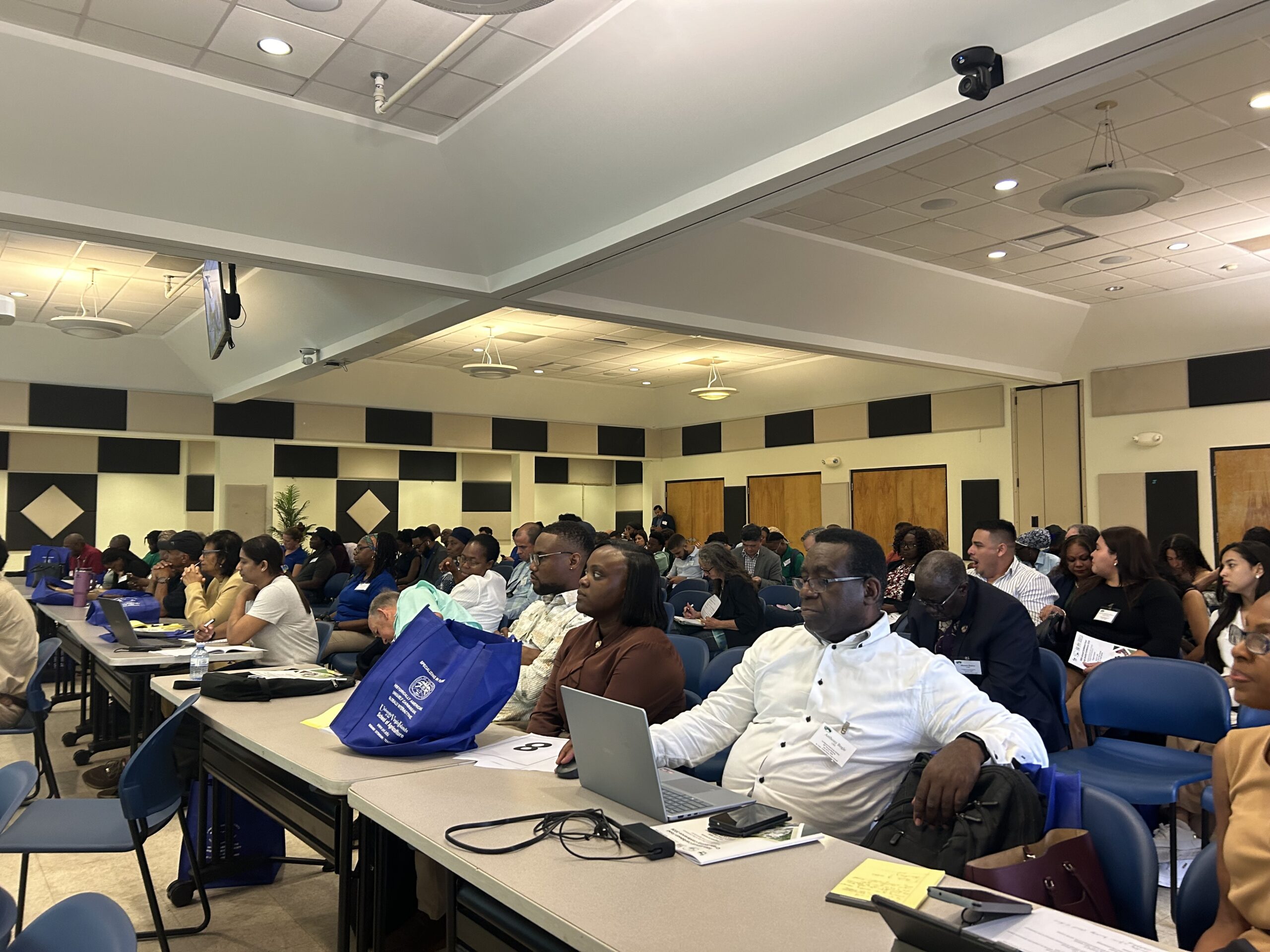
The Caribbean Food Crop Society is holding its 58th annual conference July 12-17 at the University of the Virgin Islands Albert A. Sheen Campus, bringing more than 200 agriculturists from 22 countries to St. Croix to explore this year’s theme, “Increasing Food Security in the Caribbean Through Innovative Agriculture.”
Scholars, researchers, farmers, extension professionals, educators, agropreneurs, policymakers and agricultural stakeholders are spending five days sharing innovative approaches to strengthening food systems across the Caribbean region.
“This conference highlights the importance of regional collaboration and innovation in strengthening food security across the Caribbean,” said Usman Adamu, director of the UVI School of Agriculture and chair of the local organizing committee. “UVI is honored to welcome agricultural leaders, researchers and practitioners to the Virgin Islands to share knowledge and advance solutions for sustainable agriculture.”
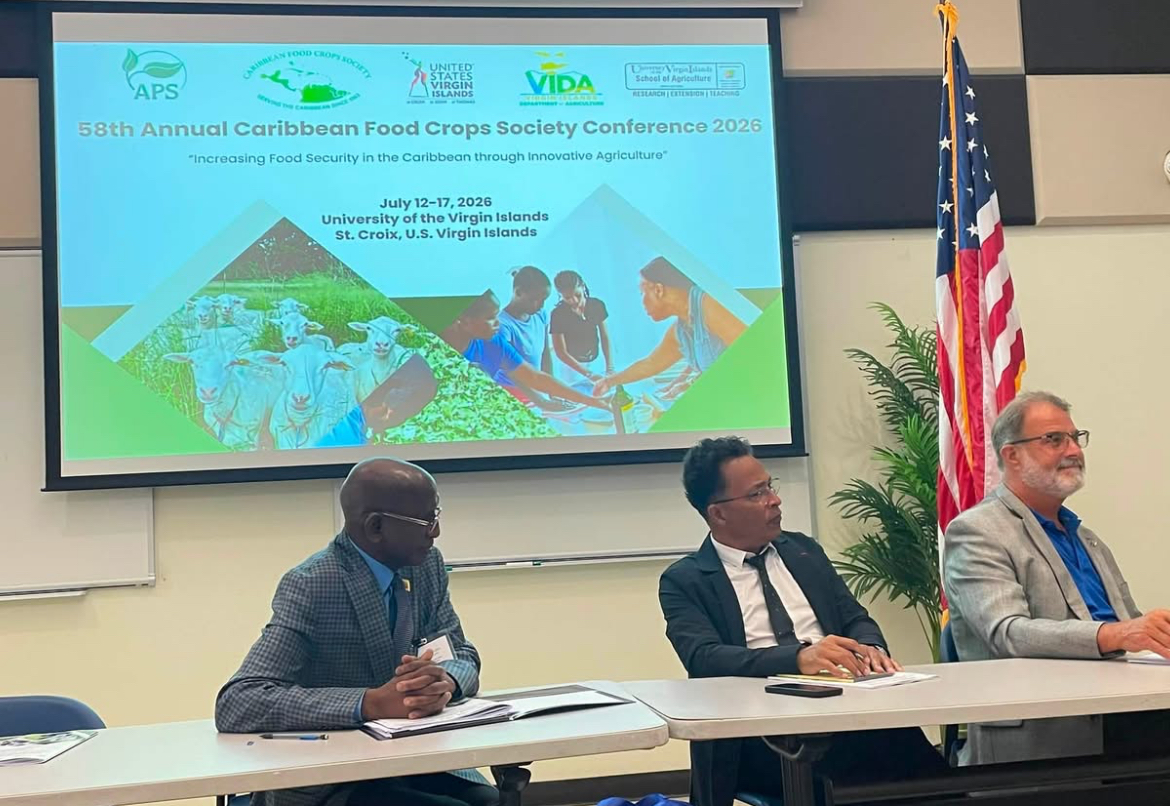
Founded in Puerto Rico in 1963, the Caribbean Food Crops Society describes itself as “an independent, nonprofit professional organization with an interdisciplinary membership dedicated to fostering communication among individuals and institutions advancing science, technology and food crop and livestock production throughout the Caribbean Basin.” The organization seeks to involve members from the region’s four primary language groups: English, Spanish, French and Dutch.

The conference officially opened Monday after attendees spent Sunday at the Mango Melee festivities at the St. George Village Botanical Garden. Agriculture Commissioner Louis Petersen welcomed participants before Ozier-La Fontaine, chair of the CFCS Board of Directors, dedicated the conference to Wilfredo Colón Guasp in recognition of his 39 years of dedication to the organization.
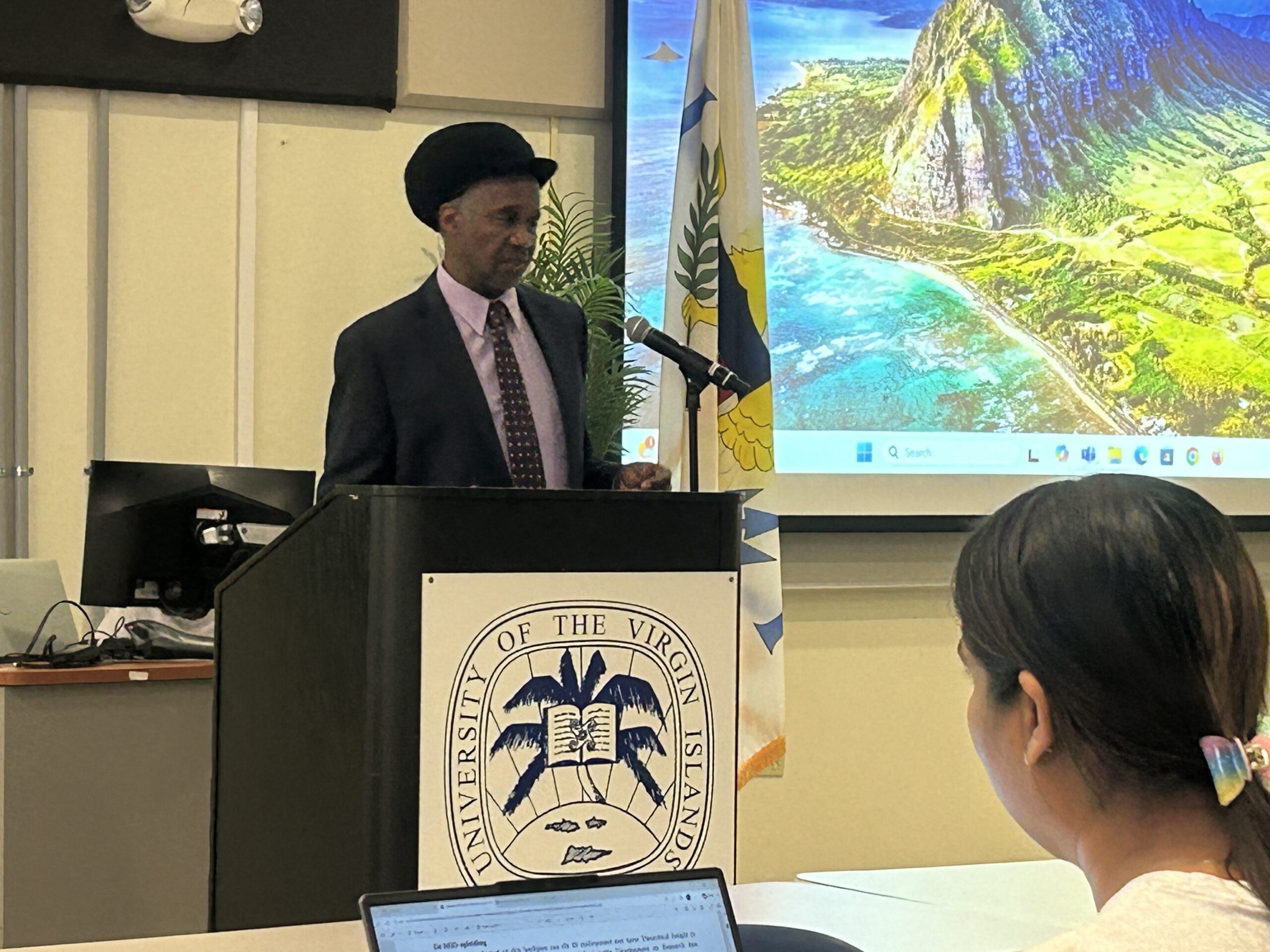
Richard Bond then reflected on the contributions of CFCS founding member and former dean and director of the UVI School of Agriculture, Adamu. Tourism Commissioner Jennifer Matarangas-King, representing one of the conference sponsors, also welcomed attendees to St. Croix and spoke about the relationship between agriculture and tourism.
The keynote address was delivered by Wayne Biggs, chief executive director of the Virgin Islands Economic Development Authority. Biggs framed the conference around the need to strengthen food security through innovation, reminding attendees that, as poet and farmer Wendell Berry wrote in the essay “The Pleasures of Eating,” “Eating is an agricultural act.”
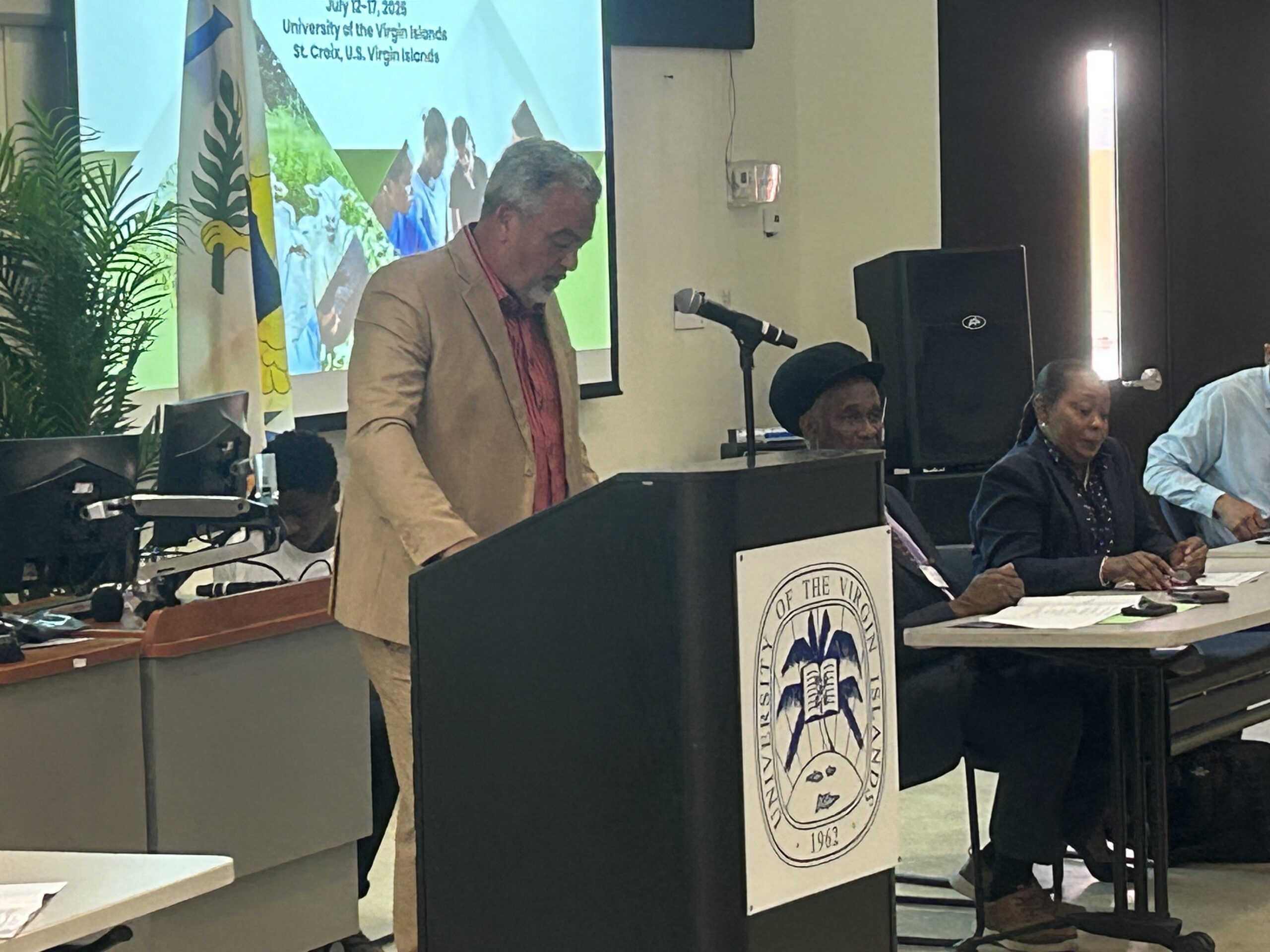
Biggs described increasing food security in the Caribbean through innovative agriculture as “one of the most urgent and defining issues of our time.”
“Food security across our region is not an abstract issue,” Biggs said. “It is about whether families can afford nutritious meals, whether farmers can earn a reliable living, whether communities can withstand supply chain disruptions and whether young people can see agriculture as a modern, dignified and profitable career.”
Biggs also outlined the challenges facing agriculture throughout the region.
“Despite the importance of agriculture to local food security and community resilience, throughout the Caribbean island nations farmers face several persistent challenges, as do farmers in the USVI,” Biggs said. “Limited access to affordable farmland, high production costs, expensive electricity, aged infrastructure and restricted access to cold storage and modern farming technology.”
The conference comes as food security and local agriculture are expected to be major topics during the territory’s election season, particularly in the gubernatorial race. During a recent episode of “Decision 2026,” Delegate to Congress and gubernatorial candidate Stacey Plaskett responded to a question about the Virgin Islands importing between 98% and 99% of its food by emphasizing the need for increased agricultural funding, stronger cooperatives between the Agriculture Department and farmers, and technological investments to improve food sovereignty. She also discussed expanding irrigation systems and desalination plants, improving the territory’s abattoir and strengthening the fisheries sector.
Participants will spend the remainder of the week attending technical sessions on horticulture, integrated pest management and plant pathology, outreach and technical support for farmers, data and the business of agriculture, agronomy and animal sciences, extension and food science, and sustainable agriculture principles, practices and opportunities.